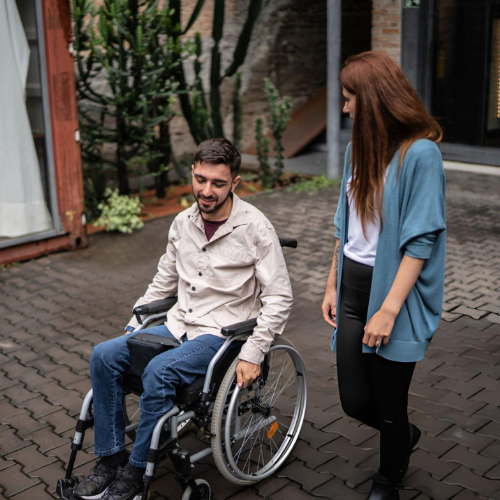
Maintaining personal hygiene is essential for everyone, regardless of age or ability. For individuals living with physical, intellectual, or developmental disabilities, daily hygiene tasks may require additional support to ensure comfort, health, and dignity. This is where Disability hygiene assistance becomes an important part of quality disability care.
Professional hygiene support allows individuals to remain safe, healthy, and independent while receiving respectful assistance tailored to their unique needs. Nurtcare.com understands that every person deserves compassionate care that promotes confidence and enhances everyday living.
This guide explains what Disability hygiene assistance includes, why it matters, and how professional support can improve overall well-being.
What Is Disability Hygiene Assistance?
Disability hygiene assistance refers to professional support that helps individuals with disabilities complete personal hygiene routines safely and comfortably. These services are personalised according to each person’s abilities, preferences, and health requirements.
Support workers encourage independence wherever possible while providing assistance only when needed.
Typical hygiene assistance includes:
- Bathing and showering
- Personal grooming
- Oral hygiene
- Hair washing and styling
- Dressing assistance
- Toileting support
- Hand washing
- Nail care (non-medical)
- Skin care routines
- Continence support
The goal is always to preserve dignity while maintaining excellent personal hygiene.
Why Personal Hygiene Matters
Good hygiene is much more than simply staying clean. It directly affects physical health, emotional wellbeing, and social confidence.
Proper hygiene helps:
- Reduce infections
- Prevent skin irritation
- Improve circulation
- Maintain healthy teeth and gums
- Prevent unpleasant odours
- Increase self-confidence
- Support mental wellbeing
- Encourage greater independence
When hygiene needs are consistently met, individuals often experience a higher quality of life.
Who Can Benefit from Disability Hygiene Assistance?
Many people require hygiene support due to varying physical or cognitive challenges.
Common beneficiaries include:
- People with physical disabilities
- Individuals with neurological conditions
- People living with multiple sclerosis
- Individuals recovering from surgery
- People with spinal cord injuries
- Adults with developmental disabilities
- Individuals with cerebral palsy
- Seniors with mobility limitations
- People living with chronic illnesses
Each care plan is developed around the individual’s abilities rather than limitations.
Services Included in Disability Hygiene Assistance
Professional hygiene support covers many everyday activities that help individuals remain healthy and comfortable.
Bathing Assistance
Bathing can become challenging due to reduced mobility or balance issues.
Support workers assist with:
- Entering and exiting the shower safely
- Washing difficult-to-reach areas
- Maintaining privacy
- Using mobility equipment
- Ensuring water temperature is safe
Safety always remains a priority.
Personal Grooming
Good grooming contributes to confidence and self-esteem.
Support may include:
- Hair brushing
- Hair washing
- Shaving assistance
- Facial care
- Skin moisturising
- Applying deodorant
Regular grooming also promotes healthy skin.
Oral Hygiene Support
Healthy teeth and gums contribute to overall health.
Support workers may assist with:
- Brushing teeth
- Cleaning dentures
- Mouth care
- Flossing when appropriate
- Monitoring oral health concerns
Proper oral care reduces the risk of infections and other health complications.
Dressing Assistance
Some individuals need help selecting and putting on clothing.
Support includes:
- Choosing weather-appropriate clothing
- Fastening buttons and zippers
- Putting on shoes
- Compression garments
- Adaptive clothing assistance
The individual’s clothing preferences are always respected.
Toileting and Continence Care
Toileting assistance is provided respectfully while protecting privacy and dignity.
Support may involve:
- Safe transfers
- Hygiene after toileting
- Continence product changes
- Hand washing
- Maintaining cleanliness
Professional caregivers approach these tasks with compassion and discretion.
Maintaining Independence Through Support
One misconception about Disability hygiene assistance is that it reduces independence.
In reality, professional support encourages individuals to perform as much of their routine as they safely can.
Support workers may:
- Offer verbal guidance
- Assist only when necessary
- Encourage participation
- Use adaptive equipment
- Build confidence over time
This person-centred approach promotes greater independence rather than dependence.
Benefits of Professional Disability Hygiene Assistance
Professional care offers numerous advantages.
Improved Health
Consistent hygiene reduces the risk of:
- Skin infections
- Pressure sores
- Urinary tract infections
- Oral health problems
- Fungal infections
Preventative care supports long-term health.
Increased Confidence
Looking and feeling clean has a positive impact on emotional wellbeing.
Individuals often become more confident participating in:
- Community activities
- Employment
- Education
- Social events
- Family gatherings
Good hygiene contributes to greater social inclusion.
Enhanced Safety
Bathrooms can present significant safety risks.
Professional carers help minimise:
- Falls
- Slips
- Burns
- Transfer injuries
Using proper techniques helps protect both clients and caregivers.
Better Mental Wellbeing
Daily hygiene routines create structure, improve self-esteem, and reduce anxiety.
Feeling clean and comfortable often contributes to:
- Better mood
- Improved sleep
- Reduced stress
- Greater emotional stability
Person-Centred Hygiene Care
Every individual has unique preferences and cultural considerations.
High-quality Disability hygiene assistance should always respect:
- Personal routines
- Religious beliefs
- Cultural values
- Gender preferences
- Privacy
- Communication style
Nurtcare.com believes every individual deserves personalised support that respects dignity and promotes independence.
Choosing the Right Disability Hygiene Assistance Provider
Selecting the right provider ensures consistent, compassionate care.
Look for providers that offer:
- Qualified support workers
- Individualised care plans
- Respectful communication
- Flexible scheduling
- Reliable service
- Strong safety practices
- Experience supporting different disabilities
A trusted provider builds long-term relationships based on respect, trust, and professionalism.
Why Choose Nurtcare.com?
Nurtcare.com is committed to delivering compassionate Disability hygiene assistance that prioritises dignity, comfort, and independence.
The team focuses on:
- Individualised care
- Professional support workers
- Respectful personal care
- Safe hygiene practices
- Encouraging independence
- Reliable and compassionate services
By providing personalised support, Nurtcare.com helps individuals maintain their health while enjoying greater confidence and independence in everyday life.
Conclusion
Personal hygiene plays a vital role in overall health, wellbeing, and quality of life. Professional Disability hygiene assistance enables individuals to maintain their dignity while receiving the support they need to live safely and independently.
Whether assistance involves bathing, grooming, dressing, or continence care, compassionate support empowers individuals to participate more fully in daily life. Nurtcare.com remains dedicated to providing respectful, person-centred care that enhances comfort, promotes independence, and supports healthier living.
Frequently Asked Questions (FAQs)
What is Disability hygiene assistance?
Disability hygiene assistance provides professional support with personal hygiene activities such as bathing, grooming, dressing, oral care, and toileting while promoting dignity and independence.
Who can benefit from Disability hygiene assistance?
Individuals with physical disabilities, developmental disabilities, neurological conditions, mobility challenges, chronic illnesses, or age-related limitations can benefit from these services.
Does hygiene assistance encourage independence?
Yes. Professional caregivers encourage individuals to complete as much of their personal care as safely possible while providing assistance only when required.
What services are included in Disability hygiene assistance?
Services typically include bathing, showering, dressing, oral hygiene, grooming, toileting support, continence care, skin care, and personal hygiene routines tailored to individual needs.
Why is professional hygiene support important?
Professional support helps reduce health risks, improves confidence, enhances safety, promotes dignity, and supports individuals in maintaining a higher quality of life.
How does Nurtcare.com provide Disability hygiene assistance?
Nurtcare.com offers compassionate, personalised Disability hygiene assistance that focuses on safety, dignity, respect, and independence while meeting each individual’s unique care needs.