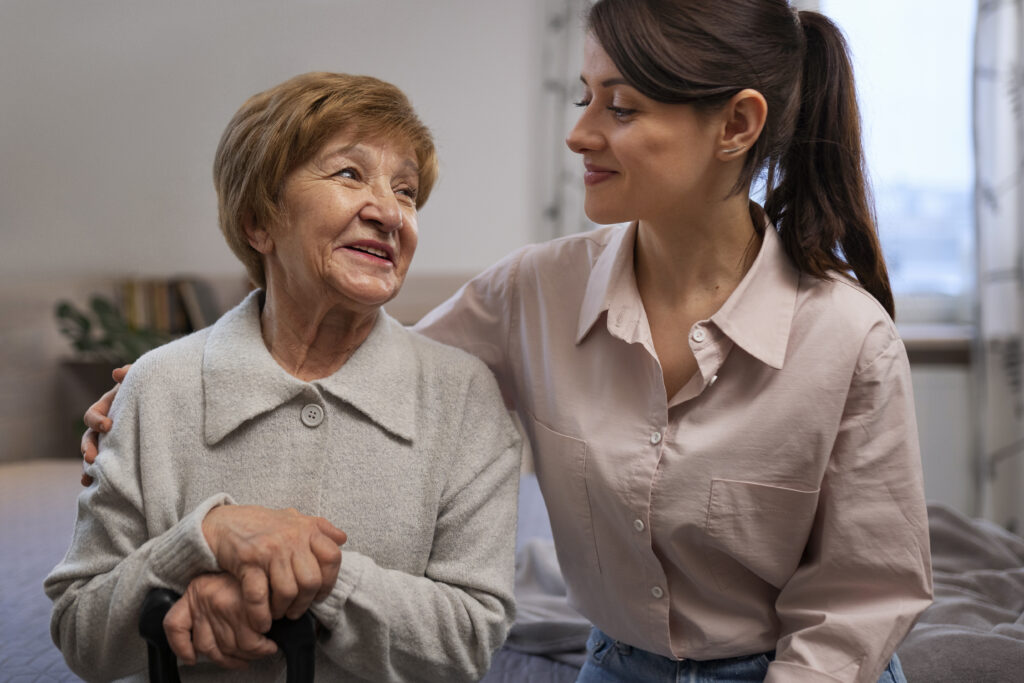
Living with a disability should never limit a person’s opportunity to enjoy a fulfilling, healthy, and independent life. High-quality disability wellbeing services are designed to provide personalized support that improves physical, emotional, and social wellbeing. These services help individuals achieve their goals while promoting confidence, dignity, and community participation.
Nurtcare.com understands that every individual has unique needs, preferences, and aspirations. By focusing on person-centered care, disability wellbeing services can create meaningful improvements in daily living while encouraging independence and long-term wellbeing.
What Are Disability Wellbeing Services?
Disability wellbeing services are professional support programs that assist people living with disabilities in maintaining their health, independence, and overall quality of life. Rather than focusing only on physical assistance, these services address mental, emotional, and social wellbeing to create a balanced support system.
Support may include:
- Daily personal care assistance
- Community participation
- Independent living support
- Emotional wellbeing programs
- Social inclusion activities
- Skill development
- Health and wellness support
- Family and caregiver assistance
These services are tailored according to each individual’s goals and lifestyle.
Why Disability Wellbeing Services Matter
Every individual deserves equal opportunities to participate in education, employment, recreation, and community life. Effective disability wellbeing services provide the tools and support needed to overcome daily challenges while promoting confidence and independence.
Some important benefits include:
Improved Independence
Personalized assistance enables individuals to perform everyday tasks with greater confidence while developing life skills that encourage self-reliance.
Better Physical Health
Support with exercise, mobility, nutrition, and daily routines contributes to improved overall health and reduces long-term health complications.
Enhanced Mental Wellbeing
Living with the right support network helps reduce stress, anxiety, and isolation while encouraging positive emotional health.
Greater Community Participation
Disability wellbeing services encourage participation in social events, educational opportunities, volunteering, and recreational activities that build confidence and meaningful relationships.
Key Features of Quality Disability Wellbeing Services
Choosing the right provider is important for achieving positive outcomes. High-quality services typically include:
Person-Centered Care
Support plans should be built around the individual’s personal goals, interests, abilities, and preferences rather than using a one-size-fits-all approach.
Qualified Support Professionals
Experienced and trained support workers understand how to deliver compassionate care while respecting privacy, dignity, and independence.
Flexible Support Options
Needs can change over time. Flexible disability wellbeing services adapt to changing circumstances and provide support when it is needed most.
Holistic Wellbeing
The best services focus on physical, emotional, social, and mental wellbeing to improve overall quality of life.
Who Can Benefit from Disability Wellbeing Services?
These services support people with various physical, intellectual, sensory, neurological, and psychosocial disabilities. Individuals of different ages can benefit from personalized assistance designed to improve everyday living.
Support is valuable for:
- Children with developmental needs
- Adults seeking independent living
- Individuals requiring daily care
- People recovering from illness or injury
- Families and caregivers needing additional assistance
The Importance of Individual Support Plans
No two people experience disability in the same way. Personalized care plans help ensure that every support service matches the individual’s lifestyle and personal goals.
A customized support plan may include:
- Personal care routines
- Health management
- Community participation goals
- Skill-building activities
- Social engagement opportunities
- Mobility assistance
- Wellness programs
Individual planning allows support to evolve as goals and needs change over time.
Supporting Emotional and Social Wellbeing
Wellbeing extends beyond physical health. Social connection and emotional support are essential for maintaining a positive quality of life.
Quality disability wellbeing services often encourage:
- Social interaction
- Confidence building
- Recreational participation
- Mental wellness activities
- Family engagement
- Community inclusion
These opportunities help reduce isolation while promoting meaningful relationships.
Choosing the Right Disability Wellbeing Service Provider
Selecting a trusted provider requires careful consideration. Look for organizations that demonstrate experience, transparency, flexibility, and genuine commitment to participant wellbeing.
Important factors include:
- Experienced support professionals
- Personalized care planning
- Strong communication
- Flexible service options
- Respect for participant choice
- Ongoing support and regular reviews
Nurtcare.com focuses on delivering compassionate disability wellbeing services that support independence while respecting every individual’s unique journey.
The Future of Disability Wellbeing Services
Technology, personalized care planning, and greater community awareness continue to improve disability support. Modern wellbeing services increasingly use digital tools, coordinated healthcare, and person-centered approaches to enhance participant outcomes.
As disability support continues to evolve, individuals can expect greater flexibility, improved accessibility, and more opportunities to live independently while participating fully in their communities.
Conclusion
Access to professional disability wellbeing services plays an important role in improving independence, confidence, and overall quality of life. With personalized support, individuals can achieve their goals, strengthen their wellbeing, and participate more actively in everyday life.
Nurtcare.com is committed to supporting individuals through compassionate, person-centered disability wellbeing services that promote dignity, independence, and long-term wellbeing.
Frequently Asked Questions (FAQs)
1. What are disability wellbeing services?
Disability wellbeing services provide personalized support that helps individuals improve their physical, emotional, social, and mental wellbeing while encouraging independence.
2. Who can access disability wellbeing services?
People living with physical, intellectual, sensory, neurological, or psychosocial disabilities may benefit from disability wellbeing services depending on their individual support needs.
3. How do disability wellbeing services improve independence?
These services assist with daily activities, life skills, community participation, and personal development, allowing individuals to become more confident and self-reliant.
4. Why is personalized care important?
Every individual has unique goals and support requirements. Personalized care plans ensure services are tailored to achieve the best possible outcomes.
5. What should I look for in a disability wellbeing service provider?
Choose a provider that offers experienced staff, person-centered care, flexible support options, transparent communication, and a strong commitment to participant wellbeing.