
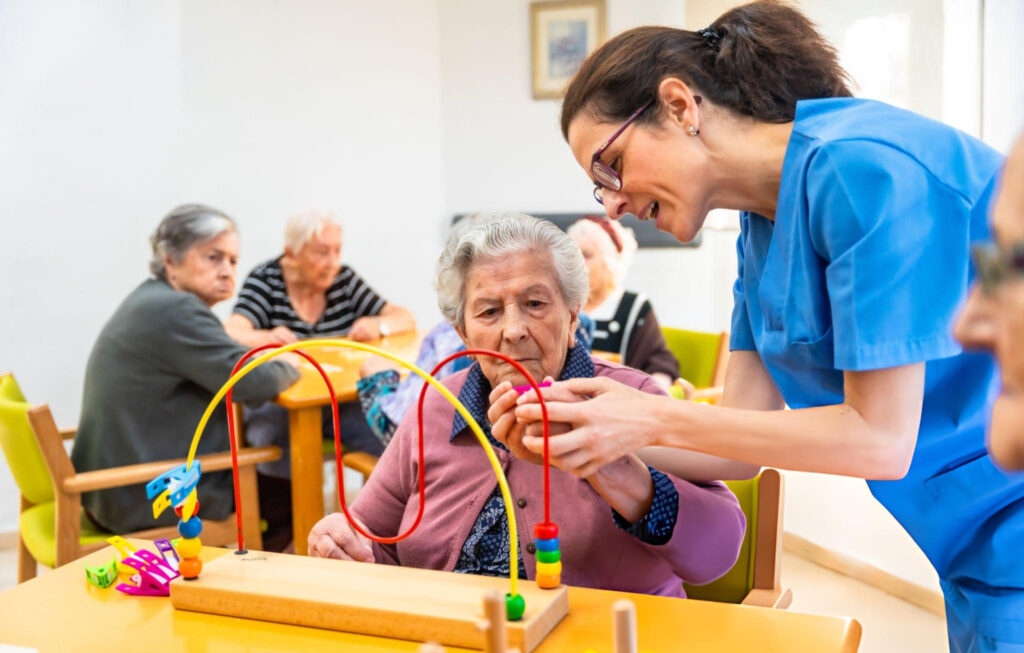
Leisure activities are an important part of everyday life. Whether someone enjoys sport, arts and crafts, music, gardening, social events, cooking or exploring the local community, having the right support can make participation easier and more enjoyable. For people living with disability or other support needs, leisure activity support can provide practical assistance while encouraging greater confidence, independence and social connection.
Nurtcare.com understands that meaningful support should be based on each person’s interests, abilities and goals. Rather than taking a one-size-fits-all approach, quality leisure support focuses on helping individuals participate in activities that matter to them.
What Is Leisure Activity Support?
Leisure activity support involves personalised assistance that helps a person take part in recreational, social or community-based activities. Depending on individual needs, this may include support with planning, preparation, transportation, communication, participation or developing skills needed to enjoy an activity more independently.
Activities can range from attending a community event or joining a sporting group to enjoying a hobby at home. The important factor is that the activity reflects the person’s preferences and contributes to their quality of life.
For eligible NDIS participants, social and recreation supports may help people participate in activities when disability-related barriers make participation difficult. The NDIS notes that these activities can include visiting friends and family, playing sport, active hobbies and attending entertainment such as movies or concerts.
Why Leisure Activities Matter
Leisure is more than simply filling free time. Meaningful activities can contribute to confidence, social connection, skill development and personal wellbeing.
Regular participation can help individuals:
- Develop confidence in new environments
- Practise communication and social skills
- Build friendships and community connections
- Explore personal interests and talents
- Develop greater independence
- Establish healthy routines
- Experience enjoyment and a sense of achievement
The NDIS recognises that social and recreation activities can support people to meet others, improve skills and participate more actively in everyday life.
Personalised Support Makes a Difference
Everyone has different interests and abilities. One person may enjoy swimming or basketball, while another may prefer painting, reading, gardening or visiting community spaces. Effective leisure activity support should respect these differences.
A personalised approach may begin by understanding the individual’s interests, current abilities and personal goals. Support can then be adjusted according to what the person wants to achieve.
For example, someone who wants to become more socially confident might receive support to attend a community group. Another person may need assistance getting to a regular sporting activity. Someone interested in developing practical skills might receive support while participating in cooking, gardening or creative activities.
This goal-focused approach can make leisure activities meaningful rather than simply treating them as scheduled outings.
Supporting Independence Through Leisure
A major benefit of appropriate support is the opportunity to develop independence gradually. Support workers can provide assistance where it is needed while encouraging the individual to take an active role.
This might involve helping someone plan an outing, understand public transport, communicate with others or learn how to participate safely in a new activity. As confidence develops, the level of assistance may be adjusted.
The objective is not necessarily to do everything for the individual. Instead, good support can encourage people to make choices, practise skills and take greater control of their activities.
Current Australian disability data also highlights the importance of choice and control. AIHW reported that 82% of NDIS participants aged 15–64 who had been in the scheme for at least two years said the NDIS had helped them have more choice and control over their lives in 2025–26 Q3.
Choosing the Right Leisure Activity
When considering an activity, it can help to think about several factors:
Personal interests: What does the individual genuinely enjoy?
Ability and accessibility: Can the activity be adapted to accommodate their needs?
Goals: Can participation help develop confidence, independence or social skills?
Safety: Are appropriate safety measures and support available?
Community connection: Does the activity provide opportunities to interact with other people?
Choice: Is the individual actively involved in deciding what they want to do?
A person’s preferences should remain central to the decision-making process.
How Nurtcare.com Can Support Meaningful Participation
Nurtcare.com takes a person-centred approach to support, recognising that meaningful leisure looks different for everyone. The focus is on helping individuals participate in activities that align with their interests, abilities and personal goals.
Whether someone wants to explore a new hobby, attend a community activity, spend time with others or develop confidence in an existing interest, suitable leisure activity support can help remove practical barriers to participation.
Quality support should also be flexible. A person’s interests and circumstances can change over time, so their activities and level of assistance may need to change as well.
Understanding NDIS Considerations
People should understand that NDIS funding rules can depend on individual circumstances and the specific support being requested. The NDIS considers factors such as whether a support is related to disability needs, assists with personal goals, provides value for money, is effective and beneficial, and meets other funding requirements.
The NDIS also explains that participants generally remain responsible for ordinary costs associated with social and recreational activities, such as standard membership, basic equipment or entrance fees that everyone would normally pay.
For this reason, participants should review their plan and discuss their individual circumstances with their relevant NDIS contact, support coordinator or plan manager when appropriate.
Conclusion
Leisure activity support can play an important role in helping people participate in activities they enjoy while developing confidence, skills and community connections. The most effective approach is personalised, respectful and focused on individual choice.
For Nurtcare.com, meaningful support means recognising the person behind the support plan and helping them work towards activities and experiences that matter to them. With appropriate assistance, leisure can become an opportunity for connection, learning, independence and greater participation in everyday life.
FAQs About Leisure Activity Support
1. What is leisure activity support?
Leisure activity support provides assistance to help individuals participate in recreational, social and community activities based on their interests, abilities and personal goals.
2. What activities can leisure support include?
Activities may include sports, arts and crafts, gardening, music, cooking, community events, social groups, entertainment, hobbies and other recreational activities.
3. Can leisure activity support help with independence?
Yes. Appropriate support can help individuals practise everyday skills, make choices, build confidence and gradually become more independent when participating in activities.
4. Is leisure activity support available through the NDIS?
Some disability-related social and recreation supports may be funded through the NDIS when they meet the applicable funding criteria and are related to the participant’s disability support needs. Individual eligibility and funding should be confirmed based on the person’s circumstances.
5. Why is choosing an individual’s preferred activity important?
Personal choice can make participation more meaningful and motivating. Activities based on genuine interests can also create opportunities to develop skills, confidence and social connections.
6. How can Nurtcare.com help?
Nurtcare.com provides person-centred support designed around individual needs, interests and goals, helping people participate more confidently in meaningful leisure and community activities.