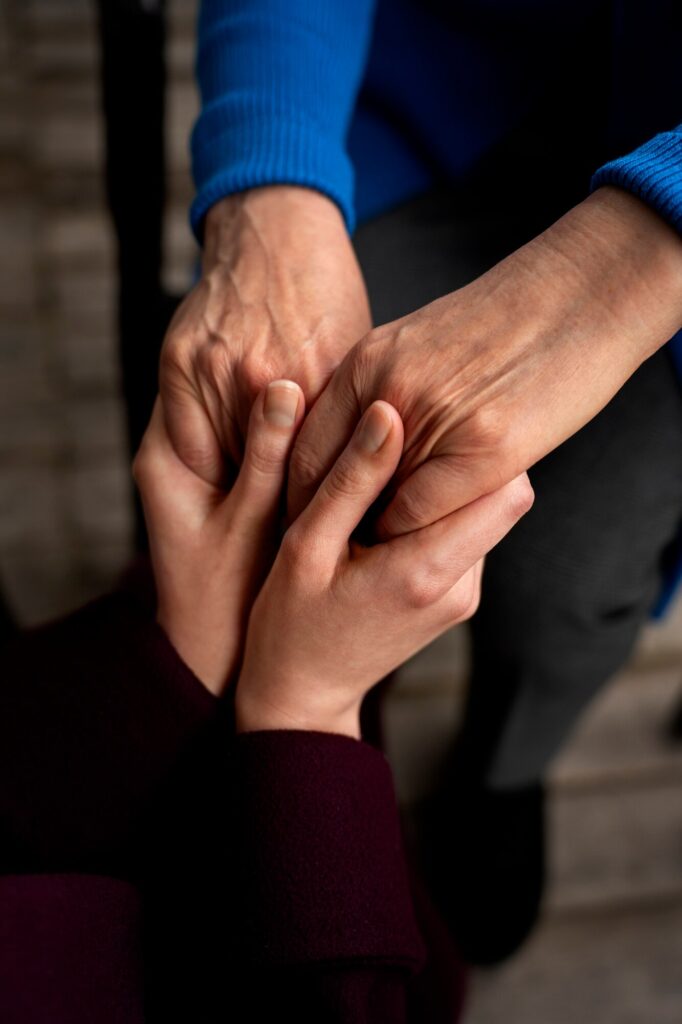
Living with a disability should not prevent someone from enjoying meaningful experiences, making personal choices or participating in their community. The right support can remove everyday barriers while encouraging greater independence, confidence and social connection. This is where inclusive lifestyle support plays an important role.
Inclusive support focuses on the individual rather than simply their disability. It considers personal preferences, routines, goals, abilities and the type of assistance a person needs to participate more fully in everyday life. Nurtcare.com provides personalised disability support designed to help individuals live confidently, maintain independence and engage in their communities.
What Is Inclusive Lifestyle Support?
Inclusive lifestyle support refers to personalised assistance that helps people with disabilities participate in everyday activities, social experiences and community life.
Rather than applying the same approach to everyone, effective support is tailored to individual circumstances. It may include assistance with daily routines, community access, transportation, recreational activities, skill development and independent living.
The goal is not to take over tasks that a person can complete themselves. Instead, support should encourage people to develop skills, make informed decisions and participate according to their own preferences.
This person-centred approach aligns with NDIS Practice Standards, which emphasise individual rights, informed choice, self-determination and participation in chosen communities and support networks.
Why Inclusive Lifestyle Support Matters
A person may require assistance with certain aspects of daily life while still wanting control over their routines, relationships and activities. Appropriate support can help bridge that gap.
Key benefits can include:
- Greater independence in everyday activities
- Increased confidence when trying new experiences
- Opportunities for social interaction
- Better access to community activities
- Development of practical life skills
- Support for personal goals and preferences
- Reduced barriers to participation
- Greater choice and control over daily routines
The NDIS explains that funded supports can help participants complete daily living activities, build independence and skills, and work towards their individual goals.
Supporting Independence Through Personalised Care
Every person has different abilities and support requirements. A personalised approach can therefore make everyday assistance more meaningful.
For example, one person may need help with household routines, while another may benefit from transportation to appointments, social activities or recreational opportunities. Someone else may want assistance developing skills that could eventually allow them to complete more tasks independently.
Nurtcare.com focuses on personalised care plans that consider individual needs, lifestyle and goals. Its services include community access and social support, recreational and lifestyle support, capacity building, skill development, in-home care and transport to appointments and activities.
Encouraging Community Participation
Community participation is an important part of an inclusive lifestyle. Going to local events, visiting friends, participating in hobbies or attending appointments can help individuals remain connected to the world around them.
However, transportation difficulties, accessibility challenges or a lack of confidence may create barriers.
Inclusive lifestyle support can help individuals overcome practical barriers while respecting their preferences. Support workers may assist with planning outings, transportation, communication or participation, depending on the person’s needs and support arrangements.
The objective is meaningful participation—not simply being physically present.
Building Skills for the Future
Good support can also focus on long-term development rather than only immediate assistance.
Capacity-building activities may help individuals strengthen practical skills such as:
- Managing daily routines
- Preparing simple meals
- Organising personal activities
- Developing communication skills
- Using community facilities
- Building confidence with transportation
- Making everyday decisions
- Developing greater independence at home
Skill development should be realistic and individualised. Progress may look different for every person, and support should adapt as confidence and abilities develop.
Choosing the Right Inclusive Lifestyle Support Provider
When selecting a provider, individuals and families should consider more than the range of services offered. The quality and approach to support are equally important.
Look for a provider that:
- Listens to individual preferences: Support should reflect the person’s goals and choices.
- Provides personalised planning: Services should be adapted to individual circumstances.
- Promotes independence: Assistance should encourage capability rather than unnecessary dependence.
- Values dignity and respect: Individuals should be treated as active decision-makers.
- Offers flexible support: Needs and goals can change over time.
- Has appropriately trained staff: Reliable, skilled and compassionate support workers are essential.
Nurtcare.com states that its carers receive training, hold relevant qualifications and undergo national police checks, while its support plans are designed around individual needs and goals.
How Nurtcare.com Supports Inclusive Living
Nurtcare.com provides disability and in-home support with an emphasis on independence, wellbeing and meaningful community participation. Its services cover areas such as daily living assistance, community access, recreational and lifestyle support, transport, capacity building and supported independent living.
This approach recognises that quality support should fit into a person’s lifestyle rather than requiring the person to fit into a rigid service model.
For NDIS participants, it is also important to understand that the NDIS has specific rules about what can be funded. Eligibility and funding depend on individual circumstances and applicable NDIS guidelines.
Conclusion
Inclusive lifestyle support can help people with disabilities participate more confidently in everyday life while maintaining dignity, choice and independence. From community participation and transportation to skill development and recreational activities, personalised support can address practical barriers while keeping individual goals at the centre.
Nurtcare.com takes a personalised approach to disability and in-home support, helping individuals work towards greater independence and meaningful participation in their communities.
FAQs About Inclusive Lifestyle Support
1. What does inclusive lifestyle support mean?
Inclusive lifestyle support means providing personalised assistance that helps people with disabilities participate in everyday activities, social opportunities and community life while maintaining choice and independence.
2. Who can benefit from inclusive lifestyle support?
People with disabilities who need assistance with daily living, community participation, recreational activities, transportation or skill development may benefit from this type of support.
3. Can inclusive lifestyle support help with independence?
Yes. Appropriate support can help individuals develop practical skills, make decisions and participate in daily activities with greater confidence.
4. What services can inclusive lifestyle support include?
Depending on individual needs and funding arrangements, support may include community access, social support, recreational activities, transport, daily living assistance, capacity building and skill development.
5. How does Nurtcare.com personalise support?
Nurtcare.com develops support around an individual’s needs, lifestyle and goals, with a focus on safety, independence, wellbeing and meaningful participation.
6. Is inclusive lifestyle support available through the NDIS?
Some supports may be funded through the NDIS when they meet applicable funding rules and relate to a participant’s goals and disability-related needs. Participants should check their individual plan and current NDIS guidelines.