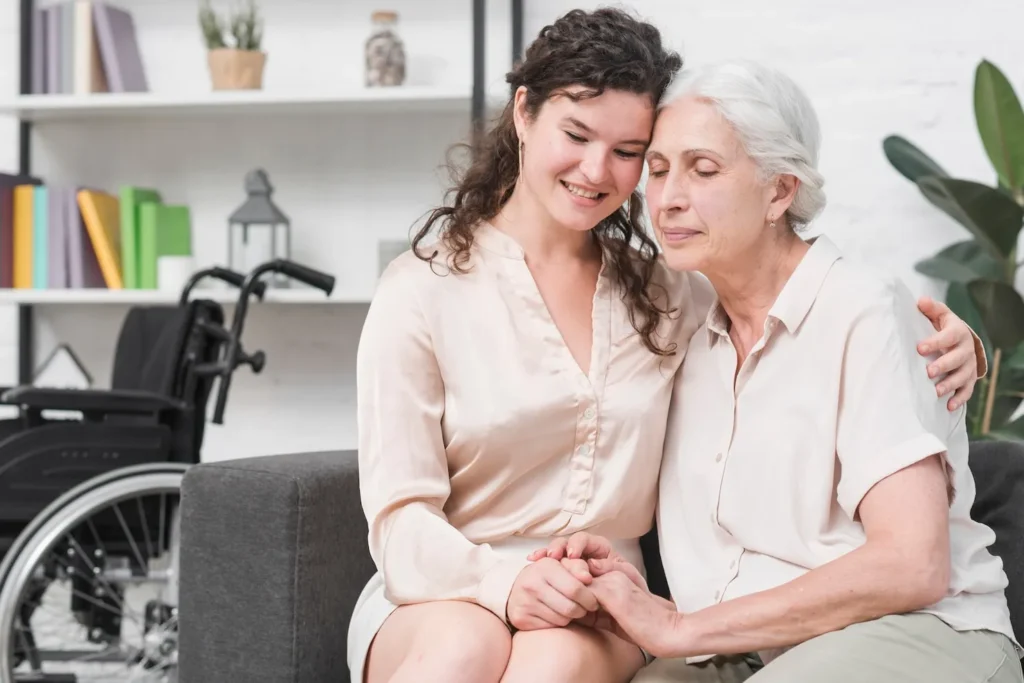
Meaningful friendships and social connections can play an important role in creating a fulfilling everyday life. For people living with disability or requiring additional support, finding opportunities to meet others, participate in activities and develop friendships can sometimes be challenging. community friendship support can help make these opportunities more accessible, comfortable and purposeful.
The National Disability Insurance Scheme (NDIS) recognises social and community participation as an important part of helping people develop connections, confidence, independence and participation in everyday community life. Activities can range from hobbies and sports to visiting local places, volunteering and spending time with friends.
Nurtcare.com focuses on person-centred support that can help individuals take part in their communities while working towards their own goals and preferences.
What Is Community Friendship Support?
Community friendship support refers to assistance that helps individuals build social relationships and participate more confidently in their communities. The purpose is not simply to attend activities but to encourage genuine connection, choice and participation.
Depending on an individual’s interests and goals, support may involve:
- Attending local social activities
- Joining hobby or recreation groups
- Visiting community venues
- Developing communication and social skills
- Meeting people with similar interests
- Participating in group activities
- Exploring volunteering opportunities
- Spending time with existing friends
- Building confidence in unfamiliar environments
The NDIS explains that social and community participation can help people feel included, develop relationships, expand their social networks and build confidence.
Why Are Friendships Important?
Friendships can provide companionship, encouragement and a sense of belonging. For many people, having opportunities to interact with others can make everyday life more enjoyable and meaningful.
Community participation research from the NDIS has identified benefits such as stronger connections with friends and family, reduced isolation, greater confidence and increased opportunities to participate in the wider community.
Friendships can also encourage people to discover new interests. Someone who enjoys music might benefit from joining a community music group, while another person may prefer sport, art, cooking, gardening or casual social activities.
The most suitable approach depends on the individual rather than using a one-size-fits-all model.
How Community Friendship Support Can Help
Effective support starts with understanding a person’s interests, communication style, abilities and goals.
1. Encouraging Social Confidence
Entering a new environment can feel overwhelming. Appropriate support can provide reassurance while allowing a person to gradually become more comfortable interacting with others.
2. Finding Shared Interests
Friendships often develop naturally when people have common interests. Support can help individuals discover suitable clubs, groups, classes and community activities.
3. Developing Social Skills
Some people may want to improve skills such as starting conversations, listening, expressing preferences or participating in group discussions. Support can provide opportunities to practise these skills in real-world settings.
4. Promoting Independence
Good support should encourage independence rather than create unnecessary dependence. The NDIS notes that building skills and confidence can help people participate socially, communicate their preferences and develop positive social connections.
5. Supporting Consistent Participation
Friendships generally take time to develop. Regular participation in activities can provide repeated opportunities to meet people, become familiar with environments and build relationships naturally.
Choosing Activities That Match Individual Interests
There is no single definition of successful community participation. One person may enjoy attending sporting events, while another may prefer a quiet café, art class, library activity or community garden.
A person-centred approach considers questions such as:
- What activities does the individual enjoy?
- What social situations feel comfortable?
- Are there new interests they would like to explore?
- What support is required to participate safely?
- What skills would they like to develop?
- What type of friendships or social connections are important to them?
The NDIS recommends considering personal goals, interests and support needs when choosing social and community activities because a support that works for one person may not be appropriate for another.
What Makes Friendship Support Effective?
Quality community friendship support should be respectful, flexible and focused on the individual’s choices. Support workers should understand that friendship cannot be forced. Their role is to help create opportunities for meaningful interaction while respecting personal boundaries and preferences.
Matching support with a person’s interests can also make participation more engaging. NDIS research highlights the importance of appropriate support, including support workers who are matched to participants’ interests and needs.
Nurtcare.com can support a person-centred approach by focusing on meaningful participation rather than simply completing activities. The aim is to help individuals experience greater connection, confidence and involvement in everyday community life.
Community Friendship Support and Independence
Social participation and independence can complement each other. When people become more familiar with their community, they may gradually become more confident navigating social situations, communicating their needs and making choices.
This does not mean everyone needs to become completely independent in every situation. Appropriate support can remain valuable while helping a person exercise greater control over how, where and with whom they spend their time.
The NDIS also notes that social and recreation activities can help people meet others, develop skills and contribute to health and wellbeing.
Why Choose Nurtcare.com?
Nurtcare.com understands that every individual has different interests, abilities, goals and preferences. A thoughtful support approach should therefore focus on the person rather than simply providing a standard list of activities.
Whether someone wants to explore a new hobby, meet people with similar interests, reconnect with their community or become more confident in social environments, appropriate support can help create opportunities for meaningful participation.
The goal of community friendship support should ultimately be about helping people feel valued, included and connected while maintaining choice and dignity.
Conclusion
Friendship and community connections are important parts of a meaningful life. With the right opportunities and appropriate assistance, people can explore interests, meet others, develop confidence and participate more actively in their communities.
Community friendship support works best when it is personalised, respectful and guided by individual goals. Nurtcare.com can help individuals explore social opportunities and work towards greater connection and participation in everyday life.
FAQs About Community Friendship Support
1. What is community friendship support?
Community friendship support helps individuals participate in social and community activities, develop connections and build confidence while working towards their personal goals.
2. Who can benefit from community friendship support?
People who experience barriers to social participation may benefit from appropriate support. Individual needs and eligibility should be considered when determining which services are suitable.
3. What activities can community friendship support include?
Activities may include hobbies, sporting groups, community events, cafés, arts programs, volunteering, recreational activities and other opportunities that match an individual’s interests.
4. Can community friendship support help build independence?
Yes. Appropriate support can help individuals develop confidence, communication and community participation skills while encouraging choice and independence.
5. How does Nurtcare.com approach friendship support?
Nurtcare.com focuses on person-centred support, considering individual interests, preferences and goals when helping people participate in their communities.
6. Is community friendship support the same for everyone?
No. Effective support should be personalised because people’s interests, abilities, communication preferences and social goals are different.