
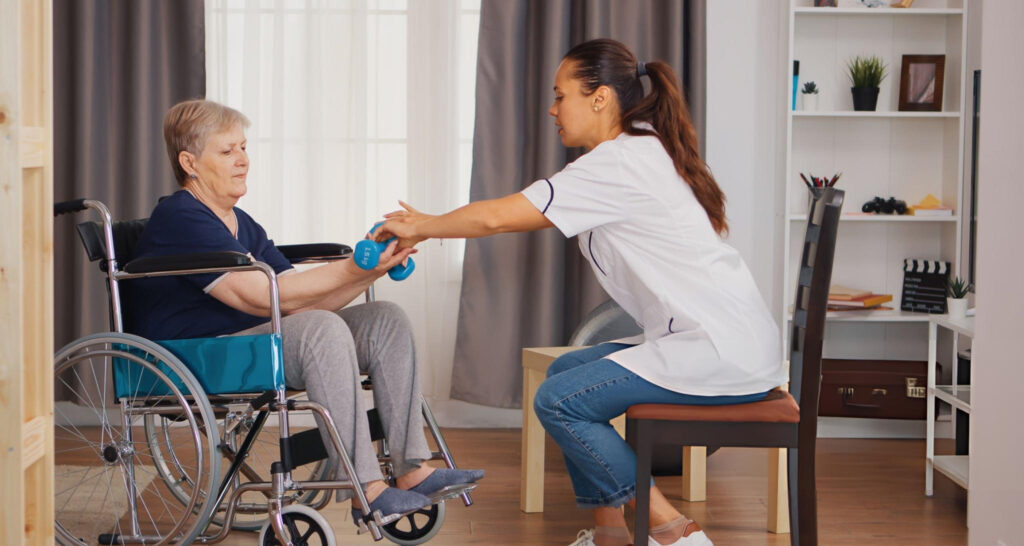
Technology has become an important part of modern disability support, helping people overcome barriers and participate more confidently in everyday activities. From communication devices and screen-reading software to mobility equipment and smart technology, the right solution can make daily tasks safer, easier and more accessible.
technology assistance for disabilities focuses on identifying technology and assistive solutions that match an individual’s abilities, goals and lifestyle. Nurtcare.com supports people and families by promoting personalised disability assistance designed around individual needs and greater independence.
What Is Technology Assistance for Disabilities?
Technology assistance for disabilities refers to equipment, devices, software and technology-based solutions that help people manage tasks affected by their disability. Assistive technology can support mobility, communication, personal care, household activities, learning and participation in the community.
According to the NDIS, assistive technology can help people perform activities they cannot otherwise do because of their disability, or complete tasks more safely and easily.
The most suitable technology depends on the person’s disability, preferences, environment and personal goals. There is no single solution that works for everyone.
How Technology Can Support People With Disabilities
Appropriate technology can provide practical benefits across many areas of life.
Communication
Communication technology can help people who have difficulty speaking, hearing, reading or expressing themselves. Examples may include communication devices, text-to-speech applications and other accessible digital tools.
Mobility and Safety
Technology can assist people with mobility limitations through equipment and adaptations that make movement and daily activities safer. Depending on individual requirements, this may include mobility aids, environmental equipment or specialised devices.
Vision and Hearing Support
People with vision impairments may benefit from screen magnification, screen-reading software and other accessible technology. Hearing-related technology can also support communication and participation.
Greater Independence
One of the major goals of assistive technology is to help people complete everyday activities with less reliance on others. The NDIS recognises that assistive technology can support independence and make activities easier or safer.
Choosing the Right Technology
Selecting technology should begin with the person’s needs rather than the product itself. A device that works well for one individual may not be appropriate for another.
Consider factors such as:
- The person’s disability and functional needs
- Personal goals and preferred activities
- Ease of use
- Safety and reliability
- Compatibility with existing equipment
- Cost and long-term value
- Whether training or setup is required
- Whether the technology can adapt to changing needs
The NDIS recommends obtaining appropriate advice before purchasing or renting assistive technology, particularly when professional assessment or evidence is required. An assistive technology advisor can help identify suitable options, consider safety and assist with setup and use.
Technology Assistance and NDIS Support
For eligible NDIS participants, assistive technology may be funded when it meets the relevant requirements. Current NDIS guidance states that funded assistive technology must be directly related to the person’s disability, support their goals, meet applicable rules and be supported by appropriate evidence.
The NDIS currently categorises assistive technology according to cost, including low-cost items under $1,500, mid-cost items from $1,500 to $15,000, and high-cost items above $15,000. Different requirements may apply depending on cost and risk.
Importantly, funding should not be assumed simply because a product has been recommended. NDIS decisions consider individual circumstances, evidence, goals and whether another organisation should provide or fund the item.
How Nurtcare.com Can Help
Finding appropriate disability support can feel overwhelming, especially when someone is exploring technology for the first time. Nurtcare.com takes a person-centred approach to disability support, helping individuals work toward greater independence and participation in everyday life.
Technology assistance should be considered as part of a broader support plan rather than as a standalone solution. The right combination of technology, practical assistance, training and ongoing support can help individuals use their abilities more effectively.
Why Personalised Support Matters
Effective technology assistance for disabilities is not simply about providing a device. It is about ensuring that the technology fits the person’s actual circumstances.
A good support process considers how the individual lives, what they want to achieve and which barriers they experience. Trials, professional advice and appropriate training can also be valuable when selecting more complex assistive technology. NDIS guidance notes that evidence may include product trials, previous use, research and expert opinion.
With the right approach, technology can become a practical tool for improving confidence, accessibility and independence.
Conclusion
Technology assistance for disabilities can make a meaningful difference in communication, mobility, safety, personal care and everyday independence. The key is choosing solutions based on individual needs and goals rather than selecting technology simply because it is available.
Nurtcare.com understands the importance of personalised disability support and the role that appropriate technology can play in helping individuals participate more independently in daily life. With suitable guidance, assessment and ongoing support, assistive technology can become an effective part of a person’s broader disability support journey.
FAQs
1. What is technology assistance for disabilities?
Technology assistance for disabilities includes devices, equipment, software and other technology designed to help people overcome disability-related barriers and complete everyday activities more safely or independently.
2. What are examples of assistive technology?
Examples can include screen readers, communication devices, screen magnifiers, mobility aids, adapted household equipment and other specialised technology. The appropriate solution depends on individual needs.
3. Can NDIS fund assistive technology?
The NDIS may fund assistive technology when it meets its funding requirements, including being related to the participant’s disability, supporting their goals and meeting relevant evidence and funding criteria.
4. Do I need professional advice before choosing assistive technology?
Professional advice can be helpful, particularly for higher-cost or higher-risk technology. NDIS guidance recommends working with an appropriate assistive technology advisor when advice or assessment is required.
5. Can technology help increase independence?
Yes. Appropriate assistive technology can make everyday activities easier or safer and may help people perform tasks with greater independence.
6. Why is personalised technology assistance important?
Every person’s abilities, goals, environment and preferences are different. Personalised assessment helps identify technology that is practical, safe and appropriate for the individual’s circumstances.