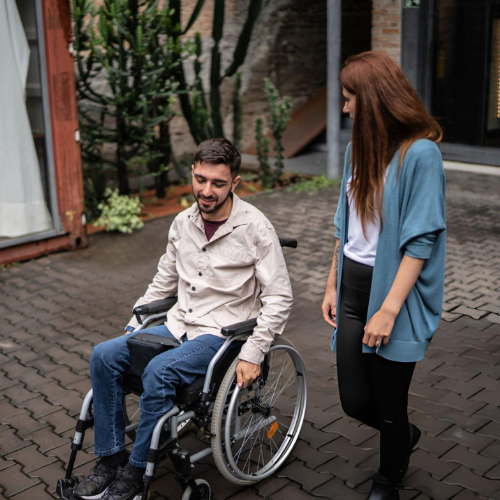
Living with a disability can make everyday activities more challenging, but the right support can help people maintain independence, confidence and control over their daily routines. disability support at home Queensland provides personalised assistance based on an individual’s needs, goals and lifestyle.
For many people, receiving appropriate support at home can make everyday life more manageable while allowing them to remain connected with their family, community and familiar surroundings. Nurtcare.com focuses on person-centred support designed around the individual rather than using a one-size-fits-all approach.
The National Disability Insurance Scheme (NDIS) recognises various home and living supports that may help eligible participants live as independently as possible. These can include assistance with daily activities, personal care and other supports depending on an individual’s plan and circumstances.
What Is Disability Support at Home?
Disability support at home refers to assistance provided to a person with disability in their own home. The type and amount of support can vary according to individual requirements.
Support workers may assist with everyday activities such as preparing meals, cleaning, personal care, household tasks and running errands. They can also help people develop practical skills so they can become more independent over time.
The goal is not simply to complete tasks for someone. Quality support can encourage participation, choice and confidence while respecting the person’s preferences and routines.
Benefits of Disability Support at Home Queensland
Choosing appropriate disability support at home Queensland can provide several practical benefits.
Greater Independence
Personalised assistance can help individuals complete daily activities while developing skills they can use independently. Depending on their goals, support may involve cooking, household activities, personal routines or community participation.
Familiar Home Environment
Receiving support at home allows people to remain in a familiar environment. This can be particularly valuable for individuals who prefer established routines and surroundings.
Personalised Assistance
Every person’s disability, goals and support requirements are different. A suitable support arrangement can be adjusted around individual needs, preferences and daily routines.
Support for Families and Carers
Professional support can also provide practical assistance to families and informal carers. This may help create a more sustainable support arrangement while keeping the participant’s needs at the centre.
Types of Support Available at Home
The type of assistance required depends on the individual’s circumstances and available funding. Common examples can include:
- Personal care and hygiene assistance
- Meal preparation and cooking
- Household tasks and cleaning
- Assistance with daily routines
- Support with shopping and errands
- Skill development for independent living
- Assistance with community participation
- Support with appropriate disability-related needs
NDIS guidance states that assistance with daily life can include everyday activities such as cooking, cleaning and personal care, generally within the person’s home.
Some people may also require home modifications to improve accessibility and safety. Queensland Government information notes that suitable modifications can help people with disability remain living at home when their condition affects day-to-day living.
Choosing the Right Home Disability Support
When looking for disability support at home Queensland, it is important to consider the individual’s goals and practical requirements.
Start by identifying the activities where support is needed. Consider whether assistance is required occasionally, regularly or for particular daily routines. Communication is also important because a good support arrangement should respect personal preferences, cultural considerations, privacy and independence.
It is also useful to understand how funding works. NDIS home and living supports are not automatically available to every participant. The NDIS considers individual needs, circumstances and evidence when determining appropriate supports.
Nurtcare.com can help individuals and families explore suitable support options based on their circumstances and goals.
Why Person-Centred Support Matters
Person-centred disability support focuses on the individual rather than only the tasks involved. This approach recognises that people have different preferences, abilities, routines and aspirations.
Effective support should encourage choice and control wherever possible. Queensland Government information also highlights the importance of individualised approaches that support independence, safety, health and wellbeing.
For this reason, families should consider whether a provider communicates clearly, understands individual needs and creates a respectful support environment.
Getting Started With Disability Support at Home
The first step is to understand the person’s current support requirements and goals. Make a list of daily activities where assistance may be useful and consider what outcomes the individual would like to achieve.
If the person is an NDIS participant, their my NDIS contact can help them explore available home and living options. The NDIS recommends considering disability-related needs, personal goals and existing informal or community supports when discussing home and living requirements.
For Queensland residents who are not eligible for NDIS funding, other community and government services may also be available. For example, the Queensland Community Support Scheme provides low-intensity assistance aimed at helping eligible people live independently and participate in their communities.
Conclusion
Reliable disability support at home Queensland can help people manage everyday activities while maintaining independence and connection with their communities. The right support should be flexible, respectful and aligned with the individual’s needs and goals.
Nurtcare.com understands the importance of personalised assistance and a supportive approach to everyday living. By identifying specific needs and exploring suitable support options, individuals and families can work towards a more comfortable and independent lifestyle at home.
FAQs
1. What is disability support at home Queensland?
Disability support at home Queensland refers to personalised assistance provided to people with disability in their own homes. Depending on individual needs, this may include personal care, household tasks, meal preparation and assistance with daily activities.
2. Can disability support be provided through the NDIS?
Eligible NDIS participants may receive funding for certain home and living or daily-life supports. The specific supports available depend on the participant’s circumstances, needs and NDIS plan.
3. Can a support worker help with household tasks?
Yes. Depending on the person’s goals and funding, a support worker may assist with activities such as cleaning, meal preparation, cooking and errands.
4. Can disability support help with independence?
Yes. Support workers can assist people with everyday activities while also helping them develop skills and work towards their personal goals.
5. How do I find disability support at home in Queensland?
Begin by identifying the person’s support needs and goals, then explore suitable providers and available funding options. NDIS participants can discuss home and living requirements with their my NDIS contact.
6. Does everyone qualify for NDIS home and living support?
No. Eligibility and funding depend on individual circumstances and the requirements of the NDIS. People who are not eligible may have access to other community or government support programs.