
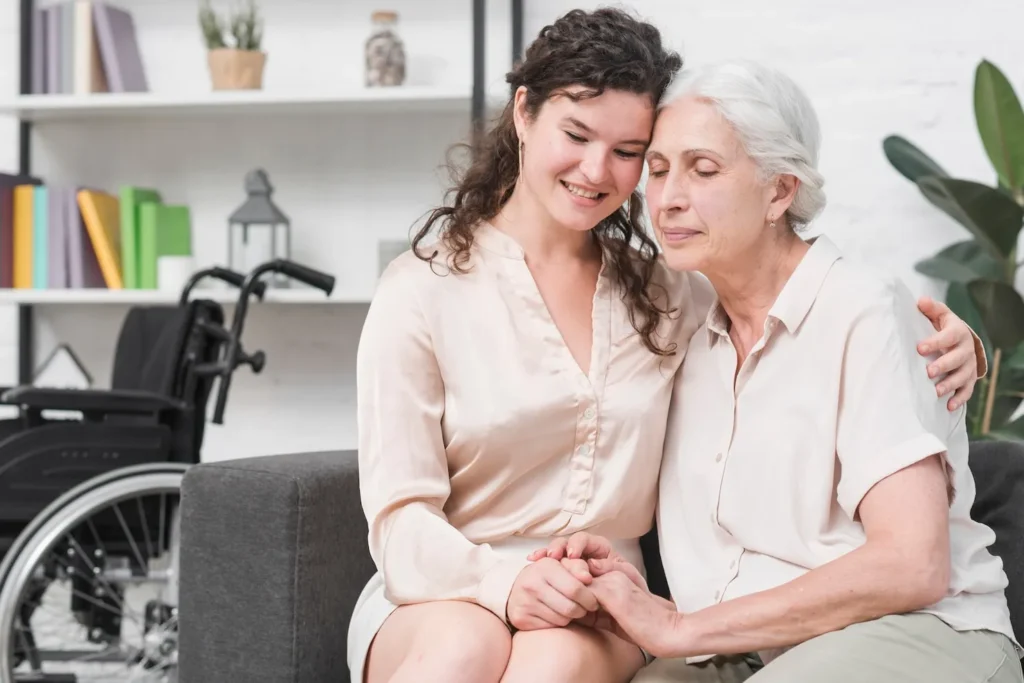
Receiving the right support at home can make everyday life more comfortable, manageable and independent. For people living with disability, older adults, or individuals who need assistance with daily activities, personal care at home Queensland can provide practical support while allowing them to remain in familiar surroundings.
Nurtcare.com understands that every person has different needs, preferences and goals. Personal care should therefore be respectful, person-centred and tailored to the individual rather than delivered as a one-size-fits-all service.
What Is Personal Care at Home?
Personal care at home involves assistance with everyday personal activities that a person may find difficult to complete independently. Depending on individual needs, support can include personal hygiene, dressing, grooming, mobility assistance and other daily routines.
For NDIS participants, personal care support can form part of assistance with daily activities when it relates to their disability-related needs and aligns with their plan. The NDIS explains that support workers may assist with personal care such as hygiene, dressing and medication assistance, depending on a person’s needs and funding.
The purpose is not simply to complete tasks. Quality personal care should also help people maintain dignity, confidence, choice and independence.
Why Choose Personal Care at Home Queensland?
Receiving support at home can help individuals continue living in an environment that feels familiar and comfortable. It can also make everyday routines easier to manage.
Some important benefits include:
- Greater independence: Appropriate assistance can help people continue participating in daily routines.
- Personalised support: Care can be adapted to individual preferences, routines and goals.
- Comfort and familiarity: Receiving assistance at home means staying in a familiar environment.
- Maintaining dignity: Respectful personal care allows individuals to receive assistance while maintaining privacy and choice.
- Support for families: Professional assistance can provide additional support for families and informal carers.
The NDIS states that home-based daily living supports can include personal care and assistance with everyday tasks, with the aim of helping people live as independently as possible.
Personal Care Services May Include
The exact support provided depends on a person’s circumstances and assessed needs. Common areas of personal care may include:
Personal Hygiene
A support worker may assist with daily hygiene routines, including showering and other personal hygiene activities where appropriate.
Dressing and Grooming
Some individuals may require assistance selecting clothing, getting dressed or maintaining their usual grooming routine.
Mobility Assistance
People who have difficulty moving safely around their home may require appropriate support during everyday activities.
Meal-Related Assistance
Depending on the person’s support requirements and plan, assistance may include preparing meals or helping with eating-related daily activities.
Medication Assistance
Medication-related support may be available where it is appropriate to the individual’s needs, responsibilities and applicable service requirements. The NDIS identifies medication assistance as an example of personal care support.
Person-Centred Support Matters
Personal care can involve private and sensitive parts of someone’s daily routine. For this reason, the relationship between a person and their support worker is important.
A person-centred approach considers individual preferences, communication style, cultural considerations, routines and personal goals. People should have appropriate choice and control over the support they receive.
The NDIS notes that participants can choose who they work with and when they receive support, subject to their plan and funding arrangements.
Nurtcare.com focuses on providing support that respects the individual while helping them manage everyday life at home.
Personal Care and NDIS Support in Queensland
For eligible participants, the NDIS may fund supports related to personal care and daily living. Core supports can include assistance with everyday activities such as personal care, cooking and cleaning when these supports are consistent with the person’s plan and NDIS rules.
However, NDIS funding is individualised. Not every person will have the same supports or funding arrangements. The NDIS states that participants can only use their funding for supports that meet the relevant NDIS requirements and are consistent with their plan.
People considering support should review their plan and discuss their requirements with their NDIS contact or relevant support professionals.
Choosing a Personal Care Provider
When looking for personal care at home Queensland, consider whether the provider can deliver support that matches your individual needs.
Important factors to consider include:
- Experience providing personal care support
- Respectful and person-centred service
- Clear communication
- Flexible scheduling where available
- Appropriately screened and trained support workers
- Understanding of individual goals and preferences
- A strong focus on privacy, dignity and safety
It can also be useful to discuss the type of assistance required, preferred routines and communication expectations before services begin.
Supporting Independence at Home
Personal care should ideally support a person’s abilities rather than unnecessarily taking over tasks they can safely perform themselves. Appropriate assistance can help individuals participate in their routines and develop or maintain everyday skills.
For people with disability, the NDIS also recognises supports that help individuals build skills and independence in everyday activities.
With the right approach, personal care at home Queensland can become an important part of maintaining confidence, comfort and quality of life.
Why Consider Nurtcare.com?
Nurtcare.com provides a supportive approach to in-home care, with an emphasis on individual needs and everyday independence. Whether someone needs assistance with personal routines or additional help managing daily activities, having dependable support can make home life easier.
The right service should treat every person with respect, listen to their preferences and provide assistance that complements their goals.
Conclusion
Finding suitable personal care at home Queensland can help individuals manage daily routines while continuing to live in a familiar home environment. From personal hygiene and dressing to everyday assistance, support can be tailored around individual needs and goals.
Nurtcare.com aims to make in-home support respectful, practical and person-centred. By choosing a provider that values dignity, communication and independence, individuals and families can create a more supportive approach to everyday living.
FAQs
1. What does personal care at home include?
Personal care may include assistance with hygiene, showering, dressing, grooming, mobility and other personal daily activities, depending on an individual’s needs.
2. Can NDIS funding cover personal care at home?
Personal care may be funded through the NDIS when it is an appropriate disability-related support and meets NDIS funding requirements. Individual plans and circumstances differ.
3. Who can benefit from personal care at home Queensland?
People with disability, older adults and individuals who need assistance with daily personal activities may benefit from appropriate in-home support.
4. Can personal care help someone remain independent?
Yes. Appropriate support can help people complete everyday activities while maintaining their abilities, routines, choice and independence.
5. How do I choose a personal care provider?
Consider the provider’s experience, approach to person-centred care, worker screening and training, communication practices, flexibility and ability to meet your individual requirements.
6. Why choose Nurtcare.com for in-home support?
Nurtcare.com focuses on personalised support designed around individual needs, dignity, comfort and independence at home.
