
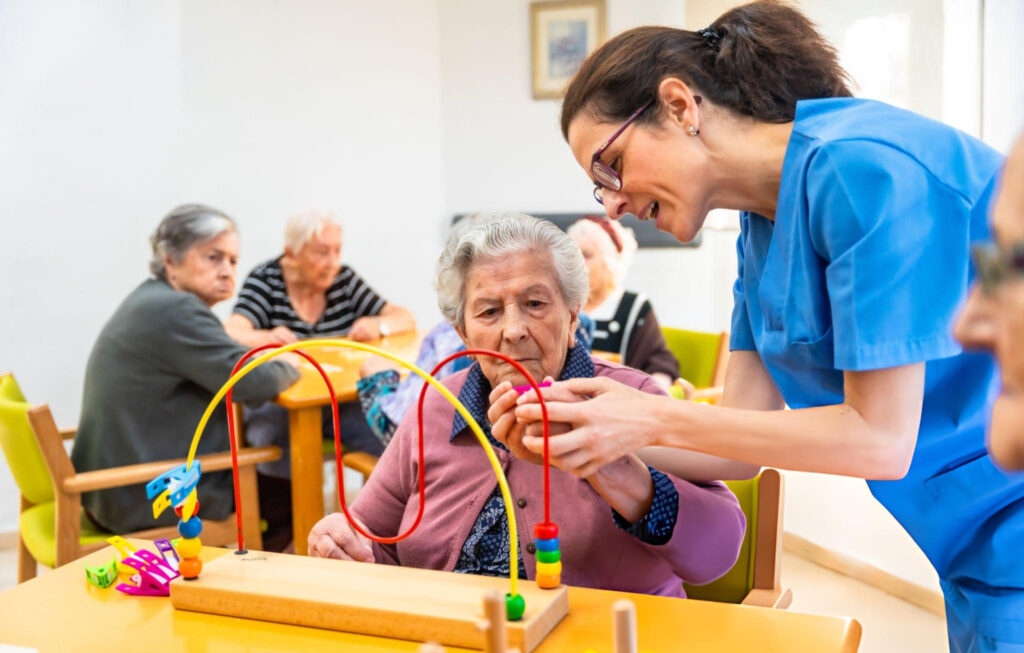
Taking part in enjoyable activities can play an important role in building confidence, social connections, independence and overall wellbeing. For people living with disability, the right support can make it easier to explore interests, develop skills and participate in community life. disability recreational activities Queensland programs can provide opportunities for individuals to enjoy meaningful experiences while receiving assistance tailored to their needs and goals.
Nurtcare.com understands that recreational participation is about more than simply keeping busy. It is about helping people make choices, connect with others and experience greater independence in everyday life.
What Are Disability Recreational Activities?
Disability recreational activities are leisure, social, sporting, educational or hobby-based activities that people with disability can participate in with appropriate support. Depending on individual interests and abilities, activities may include sports, art, music, swimming, community outings, gardening, cultural events, fitness programs, cooking, craft groups and recreational day trips.
The NDIS recognises social and recreation activities as part of everyday life. Examples include sports such as tennis, surfing and basketball, active hobbies, movies, concerts, museums, yoga, meditation, dance and art classes. Where disability creates barriers to participation, eligible participants may receive appropriate disability-related support.
Popular Recreational Activities for People With Disability in Queensland
Queensland offers a wide range of environments and community opportunities for recreation. The most suitable activity depends on personal interests, accessibility requirements, support needs and individual goals.
Some popular options include:
1. Accessible Sports and Fitness
Swimming, adapted fitness sessions, walking groups, basketball, tennis and other recreational sports can encourage physical activity while creating opportunities to socialise. Participants can choose activities according to their abilities, preferences and comfort.
2. Arts and Creative Activities
Painting, drawing, crafts, pottery, music and dance can encourage creativity and self-expression. Creative programs can also provide a relaxed environment for developing communication and social skills.
3. Community Outings
Visiting parks, libraries, shopping centres, museums, community centres, cinemas and local attractions can help individuals become more comfortable navigating their communities. These outings may also help develop practical skills such as planning, communication and using community facilities.
4. Social and Group Activities
Joining hobby groups, community events or social programs can help participants meet people with similar interests. NDIS guidance highlights the value of community participation in developing relationships, confidence, social networks and independence.
5. Outdoor and Nature-Based Activities
Queensland’s outdoor environment provides opportunities for accessible walks, gardening, picnics, nature visits and other suitable activities. With appropriate planning and support, outdoor recreation can encourage confidence and engagement with the wider community.
Benefits of Recreational Activities for People With Disability
Participating in suitable recreational activities can support several areas of personal development. The benefits may include:
- Improved social connection and reduced isolation
- Greater confidence in community environments
- Opportunities to develop friendships
- Improved communication and social skills
- Development of practical and independent living skills
- Increased participation in community life
- Opportunities to discover new interests
- Improved sense of wellbeing and achievement
The NDIS explains that social and community participation can help people build relationships, increase confidence, develop independence and discover activities they enjoy.
How Nurtcare Supports Recreational Participation
Nurtcare.com provides personalised disability support designed around individual needs, preferences and goals. Its services include recreational and lifestyle support, community access, transport to activities and capacity-building assistance.
A personalised approach is particularly important because there is no single recreational activity that suits everyone. One participant may enjoy a quiet creative class, while another may prefer sport, outdoor activities or community events.
Nurtcare focuses on helping individuals participate confidently while maintaining dignity, choice and independence. Support may include assistance with preparing for an activity, travelling to a venue, navigating the community or participating safely.
This approach aligns with the broader NDIS focus on supporting people to participate in social and recreational activities where disability-related assistance is required.
Choosing the Right Recreational Activity
When exploring disability recreational activities Queensland, consider the individual’s interests first. An activity is more likely to be meaningful when it reflects what the person genuinely enjoys.
It is also useful to consider accessibility, transport, sensory requirements, communication preferences, physical support needs, group size and the level of assistance required.
Participants can speak with their support coordinator, NDIS contact, family, carers or activity providers when identifying suitable opportunities. The NDIS recommends considering personal goals, interests, required supports and available activities when preparing for community participation.
It is also important to understand that NDIS funding does not automatically cover the general cost of recreational activities. Participants generally remain responsible for ordinary activity costs such as entrance fees, memberships and standard equipment, while disability-related supports may be funded when eligibility and plan requirements are met.
Why Personalised Support Matters
Effective recreational support should promote participation rather than create unnecessary dependence. The goal may be to help someone develop the confidence and skills needed to participate more independently over time.
For some people, this could mean learning to use public transport, communicate with activity staff, manage personal belongings or follow a regular recreational routine. For others, ongoing assistance may be necessary.
Nurtcare.com takes an individual-focused approach, helping participants access activities that align with their lifestyle, abilities and personal objectives.
Frequently Asked Questions
What are examples of disability recreational activities Queensland residents can participate in?
Activities may include swimming, sports, art and craft classes, music, dance, gardening, community events, library visits, outdoor recreation, shopping trips and social groups. The most appropriate activity depends on individual interests and support needs.
Can NDIS funding help with recreational activities?
The NDIS may fund disability-related support required to participate in social and recreational activities when the support meets applicable funding requirements. General costs that everyone pays, such as standard membership or entry fees, are generally not funded.
How can recreational activities benefit people with disability?
Recreational participation can help build confidence, social connections, communication skills, independence and community involvement. It can also provide opportunities to discover new interests and develop practical skills.
How do I choose a suitable recreational activity?
Start with the person’s interests and goals. Then consider accessibility, transport, safety, communication, sensory needs and the level of support required. A support coordinator or disability service provider can also help identify suitable options.
Can Nurtcare help with community and recreational participation?
Yes. Nurtcare.com provides personalised disability support, including recreational and lifestyle support, community access and transport assistance to help eligible individuals participate more confidently in everyday and community activities.
