
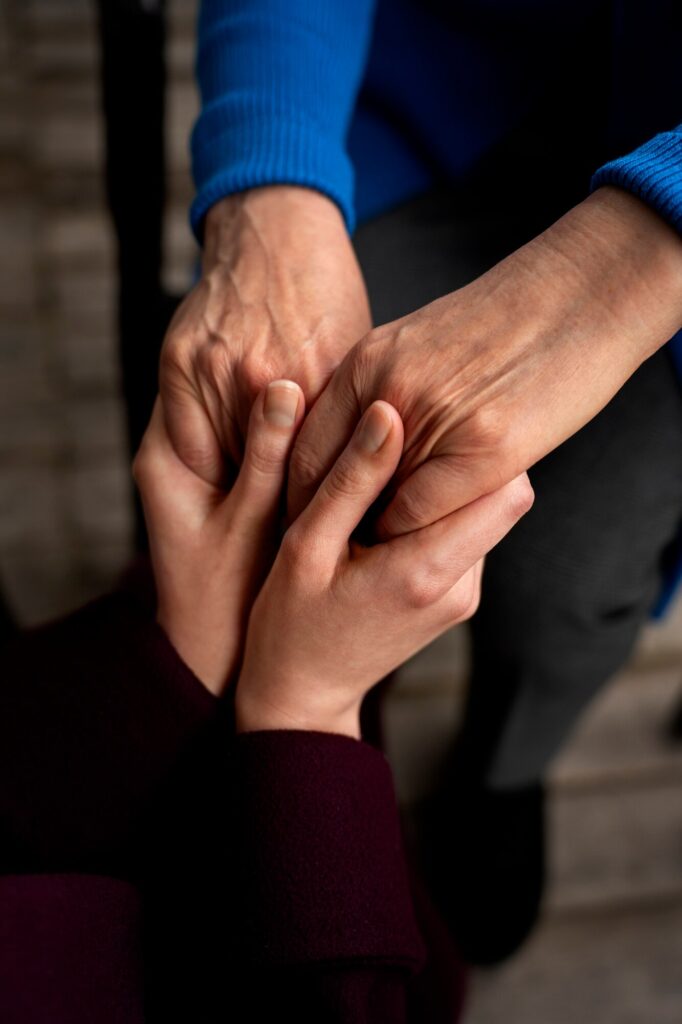
Taking part in leisure activities can be an important part of living a fulfilling and connected life. For people with disability, having the right assistance can make it easier to enjoy hobbies, explore the community, meet new people and develop greater independence. supported leisure activities Brisbane services can provide personalised assistance based on individual interests, abilities and goals.
At Nurtcare.com, the focus is on helping participants access meaningful activities while receiving the appropriate level of support. Whether someone enjoys creative hobbies, outdoor experiences, sports, social events or simply spending time in the community, personalised support can help make participation more accessible and enjoyable.
What Are Supported Leisure Activities?
Supported leisure activities are recreational or social activities where a person receives disability-related assistance to participate. The support may involve help with transportation, preparation, communication, mobility, personal care or navigating a community environment.
The National Disability Insurance Scheme (NDIS) recognises social and recreation activities as an important part of everyday life. Examples can include sport, active hobbies, visiting museums, going to movies or concerts, yoga, art classes and other recreational interests.
The goal is not simply to attend an activity. Quality support should encourage participants to make choices, build confidence and participate as independently as possible.
Popular Supported Leisure Activities Brisbane Participants Can Explore
Brisbane offers many opportunities for recreation and community participation. Depending on a participant’s interests and support needs, leisure activities may include:
Outdoor Recreation
Outdoor activities can provide opportunities for movement, fresh air and exploration. Supported outings might include walks in accessible parks, visiting recreational areas, enjoying nature or participating in suitable outdoor hobbies.
Sports and Fitness
Sport can encourage physical activity, teamwork and social interaction. Participants may enjoy recreational swimming, basketball, tennis, walking groups or other suitable activities. The appropriate support can help with getting ready, travelling to the venue and participating safely.
Arts and Creative Hobbies
Creative activities can be enjoyable ways to express interests and develop skills. Painting, drawing, pottery, craft workshops, music and dance are examples of activities that may be suitable depending on individual preferences and accessibility.
Community Outings
Leisure does not always need to involve a structured class or organised program. Visiting a library, museum, shopping centre, café, community event or other local destination can provide valuable opportunities for social and community participation.
Social Activities
Building friendships and social confidence is another important aspect of leisure. Participants may enjoy community groups, hobby clubs, social gatherings or activities with friends while receiving assistance when required.
The NDIS states that increased social and community participation funding can help participants find and join activities they are interested in, including community groups, hobbies, sport and outdoor recreation.
Benefits of Supported Leisure Activities
Choosing the right recreational activities can contribute to several areas of a participant’s life.
Greater independence: Regular participation can help people practise skills involved in planning, travelling, communicating and making decisions.
Social connection: Community activities can create opportunities to meet people and develop meaningful relationships.
Confidence: Trying new activities with appropriate support can help participants become more comfortable in unfamiliar environments.
Skill development: Leisure activities may help develop communication, coordination, social and practical skills.
Wellbeing: Enjoyable recreational activities can provide opportunities for relaxation, movement, creativity and personal enjoyment.
Importantly, support should be tailored to the individual rather than assuming that one activity or approach will suit everyone.
How to Choose the Right Leisure Activity
When considering supported leisure activities Brisbane, it is useful to begin with the participant rather than the activity.
Ask questions such as:
- What hobbies or interests does the participant already enjoy?
- Is there a new activity they would like to try?
- What level of assistance is required?
- Is the location accessible?
- What transportation arrangements are available?
- Would the participant prefer an individual or group activity?
- Can the activity help develop a personal goal or skill?
- What makes the participant feel comfortable and confident?
A support provider should listen to these preferences and help create opportunities that are meaningful and realistic.
Understanding NDIS Support for Leisure Activities
NDIS funding rules can depend on a participant’s individual plan and circumstances. The NDIS explains that social and recreation supports may include assistance required because of a person’s disability, such as support from a worker to participate or help with travel in certain circumstances. However, ordinary activity costs such as standard entry, membership or registration fees are generally not the responsibility of the NDIS.
NDIS supports also need to meet applicable funding requirements, including being related to disability needs and helping a participant work towards their goals.
Because individual plans differ, participants should check their current plan and NDIS guidance before assuming that a particular activity or expense can be funded.
Why Personalised Support Matters
Effective leisure support should be about more than accompanying someone from one location to another. It should promote choice, dignity and participation.
At Nurtcare.com, personalised support can help participants explore activities that match their interests and circumstances. The right approach may involve starting with familiar activities before gradually introducing new experiences.
Support can also be adjusted as a person’s confidence, preferences and abilities change. This person-centred approach can make leisure participation more rewarding while supporting broader goals around independence and community involvement.
Make Leisure Part of Everyday Life
Everyone deserves opportunities to enjoy their interests, spend time in the community and pursue activities that bring meaning to their life. For people with disability, appropriate assistance can remove barriers and make those opportunities easier to access.
Whether the goal is joining a sporting activity, attending an art class, exploring Brisbane, meeting people or developing confidence in the community, supported leisure activities Brisbane can provide a pathway towards greater participation and independence.
Nurtcare.com is committed to supporting participants with personalised care and assistance that respects individual preferences, goals and choices.
FAQs About Supported Leisure Activities Brisbane
1. What are supported leisure activities Brisbane services?
They are recreational and social activities where a person with disability receives appropriate assistance to participate. Support may include help with travel, mobility, communication, preparation or navigating the community.
2. What types of leisure activities can people participate in?
Depending on individual interests and abilities, activities can include sports, outdoor recreation, art, music, dance, community outings, hobby groups, social events and other recreational experiences.
3. Can NDIS funding cover leisure activities?
NDIS funding may cover disability-related support needed to participate in social and recreational activities when the relevant requirements are met. The ordinary cost of an activity, such as an entry fee or membership, may not be covered.
4. Can leisure activities help develop independence?
Yes. Appropriate activities can provide opportunities to practise communication, decision-making, social interaction, community access and other everyday skills.
5. How do I choose a suitable leisure activity?
Start with the participant’s interests, goals, abilities and preferred level of social interaction. Accessibility, transportation, safety and required support should also be considered.
6. Why choose personalised leisure support?
Personalised support recognises that every participant has different interests, preferences and support requirements. It can help make activities more comfortable, meaningful and achievable.
7. Can supported leisure activities include community outings?
Yes. Community participation can include outings to suitable recreational, cultural, social or public locations. The type of support required will depend on the participant’s individual needs and circumstances.
