
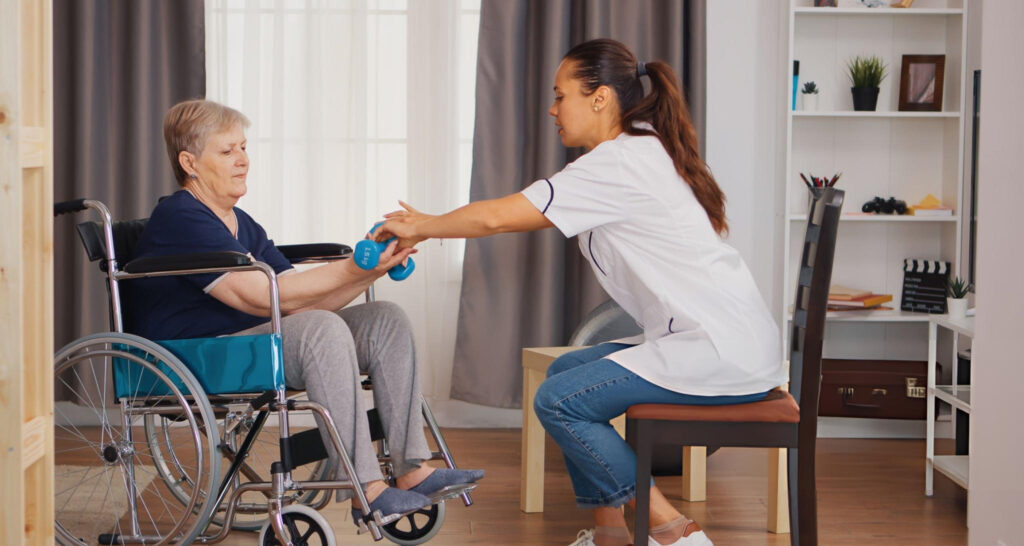
Leisure and recreation are important parts of a fulfilling life. For people living with disability, however, participating in hobbies, community activities and social events can sometimes require additional assistance. disability leisure support helps remove these barriers by providing personalised assistance that enables individuals to participate in activities they enjoy while developing confidence, independence and community connections.
At Nurtcare.com, the focus is on supporting people according to their individual interests, abilities, preferences and goals. Quality leisure support should not simply fill someone’s free time. It should help create opportunities for meaningful participation, personal choice and greater engagement with the community.
What Is Disability Leisure Support?
Disability leisure support refers to assistance that helps people with disability participate in recreational, social, hobby-based and community activities. Depending on individual needs, this may include support with planning activities, travelling to locations, communicating with others, managing accessibility requirements or participating safely.
Activities can range from arts and crafts and music to sporting activities, community events, shopping, visiting attractions, attending clubs or spending time with friends.
The right approach is highly individualised. A person may prefer structured group activities, while someone else may enjoy one-to-one support for a favourite hobby. Understanding those preferences is an important part of delivering person-centred support.
Why Leisure Activities Matter
Leisure is more than entertainment. Research into community-based leisure participation has found that people with intellectual disabilities can develop confidence, skills and self-esteem through meaningful leisure activities. Taylor & Francis Online
Regular participation can support several areas of everyday life, including:
- Social connection: Activities can create opportunities to meet people and build friendships.
- Confidence: Trying new experiences can encourage greater self-belief.
- Independence: Participating in chosen activities can help people practise decision-making and everyday skills.
- Physical wellbeing: Appropriate recreational activities can encourage movement and an active lifestyle.
- Emotional wellbeing: Enjoyable hobbies can provide relaxation, purpose and a sense of achievement.
- Community participation: Leisure support can make it easier to access activities and spaces within the wider community.
Community-based support programs can also include access to mainstream social, leisure and recreational opportunities based on a person’s goals and preferences. NSW Health
Examples of Disability Leisure Support
Every person’s interests are different, so leisure support should be flexible. Depending on an individual’s goals and circumstances, support may involve:
Arts and Creative Activities
Painting, drawing, photography, crafts, pottery and other creative pursuits can provide enjoyable ways to express interests and develop skills.
Sports and Physical Recreation
Swimming, walking, adapted sports, fitness activities and other forms of recreation may help individuals stay active while participating in something they enjoy.
Community Activities
Visiting libraries, community centres, parks, markets, cinemas or local events can encourage greater community participation.
Hobbies and Special Interests
Support can help a person pursue hobbies such as gardening, cooking, music, gaming, collecting or reading.
Social and Group Activities
Joining clubs, social groups or community programs can create opportunities to meet others with similar interests and develop relationships.
The Importance of Person-Centred Support
Effective disability leisure support begins with the individual rather than the activity.
A support worker should take time to understand what the person enjoys, what they want to achieve and what barriers may prevent participation. This can involve considering communication preferences, mobility requirements, sensory needs, transportation and confidence levels.
The individual should also have meaningful choices. Instead of assuming which activities someone will enjoy, support should encourage them to identify their own interests and make decisions about how they want to spend their leisure time.
This approach can make activities more meaningful and encourage greater ownership of personal goals.
How Nurtcare.com Can Support Meaningful Participation
Nurtcare.com recognises that quality disability support should promote participation, choice and independence. Its approach to disability leisure support can help individuals explore activities that match their interests and personal goals.
Whether someone wants to pursue a long-term hobby, attend community activities, socialise with others or simply enjoy an activity outside their usual routine, appropriate support can make participation more accessible.
The goal is not to make decisions for the individual. Instead, good support creates opportunities for people to make choices, build skills and participate in activities that are meaningful to them.
Choosing the Right Disability Leisure Support
When considering a support provider, families and individuals may want to look at several factors:
- Personalisation: Does the provider understand the individual’s interests and goals?
- Flexibility: Can support adapt as preferences and circumstances change?
- Communication: Does the provider communicate clearly with the individual and their support network?
- Safety: Are appropriate safety considerations addressed during activities?
- Community participation: Does the service encourage participation beyond the home?
- Respect and choice: Is the person’s independence and decision-making respected?
Taking these factors into account can help individuals find support that is genuinely aligned with their lifestyle.
Building a More Inclusive Lifestyle
Accessible leisure opportunities can play an important role in creating a more inclusive community. When people with disability have appropriate support, they can participate in hobbies, social activities and community experiences alongside others.
For individuals and families looking for disability leisure support, the most important consideration is finding assistance that respects personal choice while encouraging independence and meaningful participation.
Nurtcare.com aims to support individuals in making the most of their abilities, interests and community opportunities. With the right support, leisure can become an important pathway to connection, confidence, skills and a greater sense of belonging.
FAQs About Disability Leisure Support
1. What is disability leisure support?
Disability leisure support provides assistance to people with disability so they can participate in recreational, social, hobby-based and community activities according to their interests and individual needs.
2. What activities can disability leisure support include?
It can include hobbies, arts and crafts, sports, swimming, community events, shopping, social groups, entertainment, outdoor activities and other recreational pursuits.
3. How can leisure support benefit people with disability?
It may encourage social connection, confidence, independence, skill development, physical activity and greater participation in the community.
4. Is disability leisure support personalised?
Yes. Effective support should be based on an individual’s interests, abilities, preferences, goals and circumstances rather than using the same activities for everyone.
5. Can leisure support help someone try new activities?
Yes. A support worker can help an individual explore suitable activities, overcome participation barriers and gradually become more comfortable with new experiences.
6. How can I choose a disability leisure support provider?
Consider the provider’s person-centred approach, flexibility, communication, safety practices and ability to support the individual’s specific interests and goals.
