
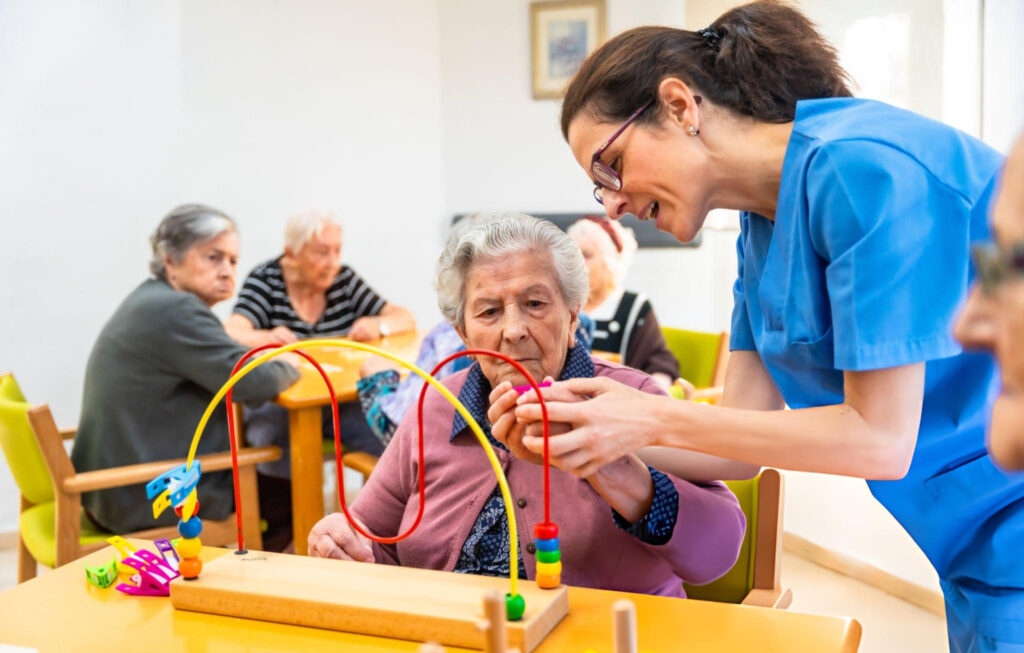
practical life skills NDIS play an important role in helping people with disabilities develop confidence, independence, and the ability to manage everyday activities. Under the National Disability Insurance Scheme (NDIS), eligible participants may access support to develop essential skills that make daily living more manageable. These skills can include cooking, personal care, household management, budgeting, communication, and community participation.
For participants and their families, understanding practical life skills NDIS support can help them identify suitable services and work towards meaningful personal goals. Nurtcare.com recognises the importance of individual needs, personal preferences, and practical assistance in supporting people to participate more confidently in everyday life.
What Are Practical Life Skills Under the NDIS?
Practical life skills are the abilities people use to manage daily responsibilities and participate in their communities. For people living with disabilities, learning or strengthening these skills can improve independence and make everyday routines easier to manage.
NDIS-funded support may assist eligible participants in developing these abilities when the support meets the scheme’s applicable funding requirements and relates to their disability-related needs and goals.
Examples of practical life skills include preparing meals, maintaining a clean living environment, managing personal hygiene, organising appointments, handling money, and travelling safely within the community.
The type of support required will depend on each participant’s abilities, circumstances, and individual goals. Some people may need occasional guidance, while others may benefit from regular assistance and structured learning opportunities.
Why Are Practical Life Skills Important?
Developing practical life skills can have a positive impact on everyday experiences. These abilities help participants take a more active role in their routines and make decisions that reflect their preferences.
1. Greater independence: Learning everyday tasks can help participants complete more activities with less assistance over time, where appropriate.
2. Improved confidence: Successfully completing a task, such as preparing a meal or organising personal belongings, can encourage participants to try other activities.
3. Better daily routines: Skills such as planning activities, managing appointments, and following household routines can make everyday life more organised.
4. Increased community participation: Learning to use public transport, communicate with others, or shop independently can help participants access community activities.
5. Stronger decision-making: Practical learning encourages participants to make choices, solve everyday problems, and understand their responsibilities.
Progress will look different for every person. The main objective is to support meaningful participation and personal development rather than expecting everyone to achieve the same level of independence.
Types of Practical Life Skills NDIS Support
Practical life skills NDIS support can cover several areas of everyday living, depending on a participant’s goals and eligible supports.
1. Personal Care and Daily Living
Personal care skills may include developing routines for dressing, grooming, hygiene, and other everyday activities. Support workers can provide guidance or assistance according to individual requirements while respecting privacy, dignity, and personal choices.
2. Cooking and Meal Preparation
Learning to prepare meals can help participants become more involved in their daily routines. Activities may include selecting ingredients, following simple recipes, using kitchen equipment safely, and cleaning up after meals.
Support should be adapted to the participant’s abilities, including any assistance required with safety and accessibility.
3. Household Management
Household skills help people maintain a comfortable and organised living environment. These activities may include laundry, washing dishes, tidying rooms, organising belongings, and following cleaning routines.
Breaking tasks into smaller steps can make learning easier and help participants practise skills at a manageable pace.
4. Money Management and Budgeting
Basic money management can help participants understand everyday expenses and make informed spending decisions. Learning activities may include preparing a shopping list, comparing prices, tracking expenses, and understanding the difference between needs and wants.
The level of support should reflect each participant’s financial understanding and personal circumstances.
5. Communication and Social Skills
Communication is essential for building relationships and participating in the community. Participants may work on expressing preferences, asking for assistance, understanding social situations, and communicating with service providers.
Support should respect different communication methods, including assistive communication tools where needed.
6. Travel and Community Access
Community-based learning may involve practising familiar routes, understanding transport options, recognising safety signs, and planning journeys. These skills can help participants access appointments, recreational activities, education, and other community opportunities.
The appropriate level of supervision or assistance will depend on individual needs and safety considerations.
How Nurtcare.com Can Support Practical Life Skills Development
Choosing appropriate support is an important step towards achieving meaningful everyday goals. Nurtcare.com is a starting point for exploring disability support services and identifying assistance that may suit individual requirements.
When considering practical life skills support, participants and their families should look for an approach that focuses on personal goals, respectful communication, and opportunities to practise skills in real-life situations.
A useful support approach may include identifying areas where assistance is needed, creating achievable learning goals, practising tasks regularly, and reviewing progress with the participant.
For example, someone who wants to prepare meals independently might begin by choosing a simple recipe, learning how to organise ingredients, and practising safe food preparation with suitable guidance. Over time, the support can be adjusted according to their confidence, abilities, and preferences.
Participants should confirm the specific services available through Nurtcare.com and whether the proposed supports align with their NDIS plan and applicable funding rules before making arrangements.
How to Choose the Right Practical Life Skills Support
Finding suitable support starts with understanding what matters most to the participant. Consider the following factors when exploring available services:
- Individual goals: Choose support that reflects the participant’s priorities and desired outcomes.
- Personal preferences: Consider preferred routines, communication styles, cultural needs, and learning approaches.
- Practical experience: Look for opportunities to practise everyday tasks in relevant, real-world settings.
- Safety and dignity: Ensure support respects personal boundaries, privacy, and individual decision-making.
- Progress reviews: Discuss what is working and adjust learning activities when circumstances or goals change.
- NDIS funding suitability: Check whether the proposed support is covered by the participant’s plan and meets current NDIS funding requirements.
A person-centred approach helps participants remain involved in decisions about their own lives. Family members, carers, and support workers can contribute where appropriate, while respecting the participant’s choices and autonomy.
Conclusion
Practical life skills NDIS support can help eligible participants develop abilities that contribute to everyday independence, confidence, and community involvement. From cooking and household management to communication, budgeting, and travel, these skills can make daily routines more accessible and meaningful.
Nurtcare.com can be considered when exploring suitable disability support options. By focusing on individual goals, consistent practice, and respectful assistance, participants can work towards greater participation in everyday life at their own pace.
Frequently Asked Questions (FAQs)
1. What are practical life skills NDIS supports?
Practical life skills NDIS supports help eligible participants develop abilities for everyday living, such as cooking, personal care, budgeting, household tasks, communication, and community access.
2. Who can access practical life skills support through the NDIS?
Participants may access relevant supports when they meet NDIS eligibility requirements and the support is consistent with their disability-related needs, plan arrangements, and applicable funding rules.
3. Can NDIS funding cover cooking and household skills?
It may cover eligible disability-related assistance with cooking and household skills, depending on the participant’s plan, the nature of the support, and current NDIS funding rules. Ordinary living expenses are generally treated differently from funded disability supports.
4. How do practical life skills improve independence?
These skills can help participants manage daily routines, make decisions, complete tasks, and participate in community activities with a level of assistance suited to their needs.
5. How can I choose a practical life skills NDIS provider?
Consider the provider’s available services, experience, approach to individual goals, communication practices, safety procedures, and ability to deliver supports that align with your NDIS plan.
6. Can practical life skills support be personalised?
Yes. Learning activities can be adapted to an individual’s abilities, preferences, communication needs, living arrangements, and personal goals.
7. How can Nurtcare.com help with practical life skills NDIS support?
You can explore Nurtcare.com’s disability support services and contact the organisation to confirm which practical life skills services are available, how they are delivered, and whether they suit your needs and NDIS funding arrangements.
