
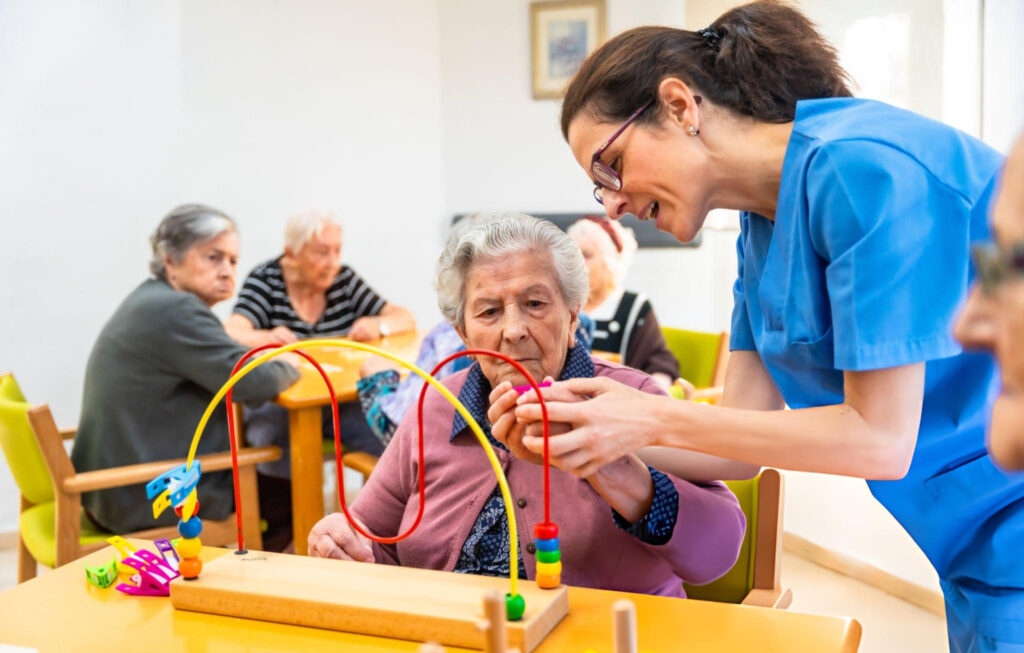
NDIS goal-based skill development helps people with disabilities develop practical abilities, increase independence, and participate more confidently in everyday life. By focusing on individual needs, personal interests, and achievable outcomes, this approach supports participants in working towards meaningful goals at their own pace.
Nurtcare.com recognises the importance of person-centred support that respects individual preferences and encourages people to develop skills that are useful in their daily routines. Whether someone wants to improve communication, learn household tasks, build social connections, or participate more actively in the community, structured skill development can help turn personal aspirations into practical steps.
What Is NDIS Goal-Based Skill Development?
NDIS goal-based skill development is an approach to disability support that focuses on helping participants work towards specific goals through structured learning, practice, and appropriate assistance. Rather than providing the same activities to everyone, support is tailored to a person’s abilities, challenges, preferences, and desired outcomes.
Goals may relate to everyday living, communication, personal organisation, social participation, or preparation for employment. The purpose is to help participants build capabilities that improve their quality of life and support greater choice and control.
For example, a participant who wants to prepare meals independently may begin by learning basic kitchen safety, identifying ingredients, and following simple recipes. Over time, they can practise planning meals, preparing food, and completing kitchen tasks with less assistance where appropriate.
Why Is Goal-Based Skill Development Important?
Every person has different strengths, support requirements, and ambitions. A personalised approach makes learning more relevant and allows participants to focus on abilities that matter to them.
Key benefits include:
- Greater independence: Participants can develop practical skills for everyday activities, including dressing, cooking, shopping, and managing routines.
- Improved confidence: Achieving realistic milestones can encourage participants to try new activities and recognise their progress.
- Better communication: Targeted practice can help people express preferences, communicate needs, and interact with others.
- Stronger social connections: Developing interpersonal skills may support friendships, group participation, and community involvement.
- Increased choice and control: Participants can work towards goals that reflect their own priorities rather than following a standardised programme.
- Progress towards personal aspirations: Consistent practice can help individuals move towards longer-term objectives, including education, volunteering, or employment.
The outcomes depend on individual circumstances, the suitability of the support, and opportunities to practise skills in real-life situations.
Key Areas Covered by NDIS Goal-Based Skill Development
A well-planned skill development programme can address several aspects of daily life, depending on a participant’s goals and support needs.
1. Daily Living Skills
Daily living skills help participants manage everyday activities with greater confidence. These may include personal hygiene, dressing, preparing meals, maintaining a clean living space, organising belongings, and following daily routines.
Breaking activities into manageable steps and practising them consistently can help participants gradually develop greater independence.
2. Communication and Social Skills
Communication is important for building relationships and participating in the community. Skill development may focus on expressing needs, understanding instructions, taking turns in conversations, recognising social cues, and communicating personal preferences.
Activities should suit each participant’s communication style and may involve visual aids, communication devices, role-play, or supported social interactions.
3. Community Participation
Community participation can help people develop confidence in familiar and unfamiliar environments. Depending on their goals, participants may practise using public transport, visiting local shops, attending community events, or joining recreational activities.
These experiences can provide opportunities to practise decision-making, personal safety, communication, and practical problem-solving.
4. Learning and Employment Preparation
Some participants want to continue their education, explore vocational training, or prepare for employment. Relevant skills may include time management, following instructions, using digital tools, completing tasks, and developing workplace communication.
The appropriate activities depend on individual interests, abilities, and longer-term aspirations.
How to Set Effective NDIS Goals
Effective goal setting starts with understanding what the participant wants to achieve. The National Disability Insurance Scheme encourages participants to identify goals that reflect their own priorities, including both short-term improvements and longer-term ambitions.
- Identify personal priorities: Discuss which everyday activities, experiences, or abilities the participant wants to improve.
- Establish a starting point: Understand existing strengths, current skills, and areas where assistance may be useful.
- Break goals into smaller steps: Divide a larger objective into manageable activities that can be practised regularly.
- Choose appropriate support: Identify suitable learning methods, resources, and support professionals based on individual needs.
- Review progress regularly: Record achievements, discuss challenges, and adjust activities when necessary.
For example, instead of setting a broad goal of becoming more independent, a participant might work towards planning and preparing two simple meals each week. This makes progress easier to observe while keeping the goal practical and meaningful.
The Role of Nurtcare.com in Skill Development
Nurtcare.com understands the importance of person-centred disability support that places individual preferences, abilities, and aspirations at the centre of planning. A thoughtful approach to NDIS goal-based skill development should encourage participants to take an active role in deciding what they learn and how they work towards their goals.
Families, carers, and support professionals can contribute by encouraging practice, providing appropriate assistance, and recognising progress without creating unnecessary pressure. The participant’s choices should remain central to the process.
When exploring services from Nurtcare.com, individuals and families should discuss their goals, required support, available services, and whether the proposed assistance aligns with the participant’s NDIS plan. Service suitability and funding eligibility should always be confirmed rather than assumed.
How to Measure Progress in Skill Development
Tracking progress helps participants and their support networks understand which strategies are working. Progress does not always mean completing an activity independently; it may also involve improved confidence, fewer prompts, better communication, or increased participation.
Useful ways to monitor development include:
- Recording completed activities and achieved milestones.
- Noting the level of assistance required for specific tasks.
- Gathering feedback from the participant about their confidence and experience.
- Reviewing whether the activities remain relevant to personal goals.
- Adjusting the learning approach when circumstances or support needs change.
Regular reviews help keep the programme practical, flexible, and focused on outcomes that matter to the participant.
Frequently Asked Questions
1. What is NDIS goal-based skill development?
NDIS goal-based skill development is a personalised approach that helps participants build practical abilities related to their individual goals, such as daily living, communication, social participation, and independence.
2. Who can benefit from goal-based skill development?
NDIS participants who want to develop everyday skills, improve confidence, strengthen communication, or participate more actively in their communities may benefit. The suitability of specific supports depends on individual needs and circumstances.
3. What skills can participants develop through the NDIS?
Depending on their goals and available supports, participants may develop cooking, personal organisation, communication, community access, budgeting, learning, and employment-related skills.
4. Does the NDIS fund skill development services?
The NDIS may fund eligible supports that meet its funding requirements and are included in the participant’s applicable funding arrangements. Having a goal does not automatically guarantee funding for every related service. Participants should check their plan and current NDIS rules.
5. How long does it take to develop new skills?
The timeframe varies according to the participant’s starting abilities, goals, learning preferences, support requirements, and opportunities to practise. Some skills may develop relatively quickly, while others require ongoing support and repetition.
6. How can families support skill development?
Families can encourage regular practice, celebrate achievements, provide opportunities to make choices, and communicate relevant observations to the support team with the participant’s consent. Encouragement should respect the individual’s preferences and independence.
7. Why choose a goal-focused approach to disability support?
A goal-focused approach connects support activities with meaningful personal outcomes. It can make learning more relevant, help track progress, and give participants a clearer role in decisions about their everyday lives.
