
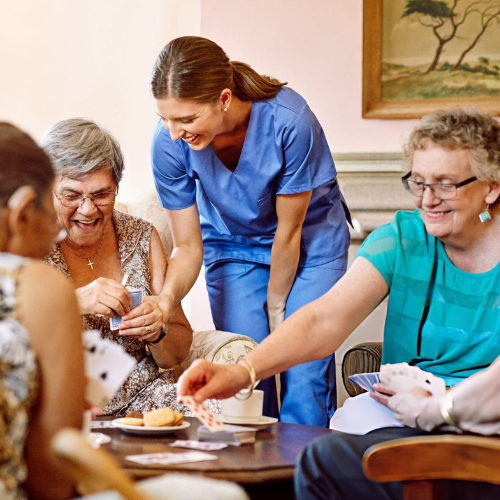
Preparing meals is an important part of everyday life, but some people living with disability may need additional support to cook safely and confidently. NDIS cooking assistance can help participants develop practical kitchen skills, prepare meals, and build greater independence at home. With the right support, everyday cooking can become a more manageable and enjoyable activity.
Nurtcare.com recognises the importance of personalised support that respects each participant’s preferences, abilities, and individual goals. Cooking assistance can be part of daily living support, helping participants improve their confidence, establish routines, and participate more actively in household activities.
What Is NDIS Cooking Assistance?
NDIS cooking assistance refers to support that helps eligible National Disability Insurance Scheme (NDIS) participants prepare meals and develop everyday cooking skills. Depending on individual needs, this may involve help with meal planning, organising ingredients, using kitchen equipment, or completing cooking tasks safely.
Some participants may need occasional guidance, while others may require hands-on assistance throughout meal preparation. The aim is to provide appropriate support while encouraging participants to do as much as they comfortably and safely can themselves.
Nurtcare.com can be a starting point for exploring support options that align with individual daily living needs and personal goals.
Benefits of NDIS Cooking Assistance
Cooking support can contribute to several aspects of everyday living. The benefits depend on each participant’s abilities, circumstances, and goals.
1. Developing Everyday Living Skills
Learning to prepare meals can strengthen practical skills, including measuring ingredients, following recipes, using kitchen appliances, and cleaning up afterwards. Regular practice may help participants become more confident with familiar cooking tasks.
2. Encouraging Healthy Eating Habits
Meal preparation assistance can help participants plan meals that reflect their dietary requirements, cultural preferences, and personal tastes. Support workers may assist with selecting ingredients, preparing vegetables, and organising meals. Specialised nutritional needs should be addressed with an appropriately qualified health professional.
3. Building Confidence and Independence
Cooking involves making decisions, following instructions, and completing tasks. With suitable guidance, participants can practise these activities at their own pace. Over time, some may become more comfortable preparing simple meals with less assistance.
4. Promoting Kitchen Safety
Kitchen activities can involve hot surfaces, sharp utensils, and electrical appliances. Appropriate assistance can help participants understand safe practices, organise their workspace, and use equipment according to their abilities and support requirements.
5. Establishing Daily Routines
Meal planning and preparation can provide structure throughout the day. Assistance with shopping lists, meal schedules, ingredient storage, and kitchen organisation may make everyday routines easier to manage.
What Does NDIS Cooking Assistance Include?
The services provided depend on individual requirements, agreed support arrangements, and the provider’s service scope.
Common forms of NDIS cooking assistance may include:
- Meal planning: Helping participants choose meals according to their preferences and routines.
- Ingredient preparation: Assisting with washing, peeling, chopping, and measuring ingredients.
- Cooking support: Providing guidance or hands-on help with preparing breakfast, lunch, dinner, and snacks.
- Kitchen safety: Supporting the safe use of utensils, appliances, and cooking surfaces.
- Grocery preparation: Helping create shopping lists and organise ingredients.
- Kitchen clean-up: Assisting with washing dishes, wiping surfaces, and storing food safely.
- Skill development: Encouraging participants to practise tasks and build confidence at a suitable pace.
Not every participant requires all these services. A personalised approach helps ensure that assistance reflects the individual’s goals, preferences, and abilities.
How Nurtcare.com Can Support Daily Cooking Needs
Finding suitable support begins with understanding what matters most to the participant. Nurtcare.com can be a starting point for exploring support options that may align with individual daily living requirements.
A suitable support arrangement should consider preferred meals, existing cooking abilities, cultural practices, household routines, and relevant safety considerations. Participants should have opportunities to express their choices and participate in decisions about how their meals are prepared.
Families, carers, and support coordinators may help communicate these requirements where appropriate. Clear communication helps establish realistic expectations and ensures that support arrangements reflect the participant’s agreed goals.
Before commencing services, participants should confirm the provider’s available services, service locations, relevant staff training, pricing, and applicable NDIS funding requirements.
Is NDIS Cooking Assistance Covered by the NDIS?
NDIS funding for cooking-related support depends on the participant’s individual plan, disability-related support needs, and the applicable funding rules.
Assistance with meal preparation may be covered under relevant daily living supports when it meets the NDIS requirements. However, funding is not automatic. Ordinary groceries, general household expenses, and disability-related support costs may be treated differently.
Participants should review their current plan, consult the applicable NDIS guidelines, and speak with their support coordinator or plan manager if they need help understanding how a proposed service may be funded.
How to Choose the Right Cooking Support Provider
Selecting an appropriate provider is an important step towards receiving safe, respectful, and effective assistance.
Consider the following factors when comparing providers:
- Personalised support: Does the provider understand your individual needs and goals?
- Relevant experience: Do support workers have appropriate skills and training?
- Safety practices: Are kitchen risks, food handling, and dietary instructions considered?
- Participant choice: Can you decide what meals you prefer and how assistance is delivered?
- Clear communication: Are services, fees, schedules, and responsibilities explained clearly?
- Consistent support: Can the provider accommodate your preferred routine?
A suitable provider should respect your privacy, dignity, independence, and right to make everyday choices.
Conclusion
NDIS cooking assistance can help eligible participants develop practical life skills, maintain meal routines, and participate more confidently in everyday activities. From preparing ingredients to learning safe cooking techniques, the right level of support can make kitchen tasks more accessible while encouraging independence.
Nurtcare.com is a starting point for exploring personalised support options that may suit your daily living needs. By identifying your goals and discussing your requirements with a suitable provider, you can take practical steps towards making meal preparation more manageable and supporting greater independence at home.
Frequently Asked Questions
1. What is NDIS cooking assistance?
NDIS cooking assistance helps eligible participants with disability-related meal preparation needs. Support may include meal planning, preparing ingredients, cooking, kitchen safety, and developing everyday living skills.
2. Can an NDIS support worker help me cook at home?
Yes. An appropriately engaged support worker may assist with cooking at home when the service falls within their role and meets the participant’s needs and applicable NDIS funding requirements.
3. Does the NDIS pay for groceries?
The NDIS generally does not cover ordinary food and grocery expenses. Eligible disability-related assistance with meal preparation may be funded separately when it meets the relevant requirements.
4. Can cooking assistance help me become more independent?
Yes. Depending on your abilities and goals, regular support can help you practise cooking techniques, learn kitchen safety, organise ingredients, and gradually complete more tasks independently.
5. Is NDIS cooking assistance suitable for people with different support needs?
Yes. Cooking assistance can be adapted to different abilities and support requirements. Some participants may need occasional guidance, while others may require more hands-on help or supervision.
6. How can I explore NDIS cooking assistance through Nurtcare.com?
You can contact Nurtcare.com to ask about available support services, service locations, pricing, and how your daily living goals may be accommodated. Confirm the service details before making arrangements.
