
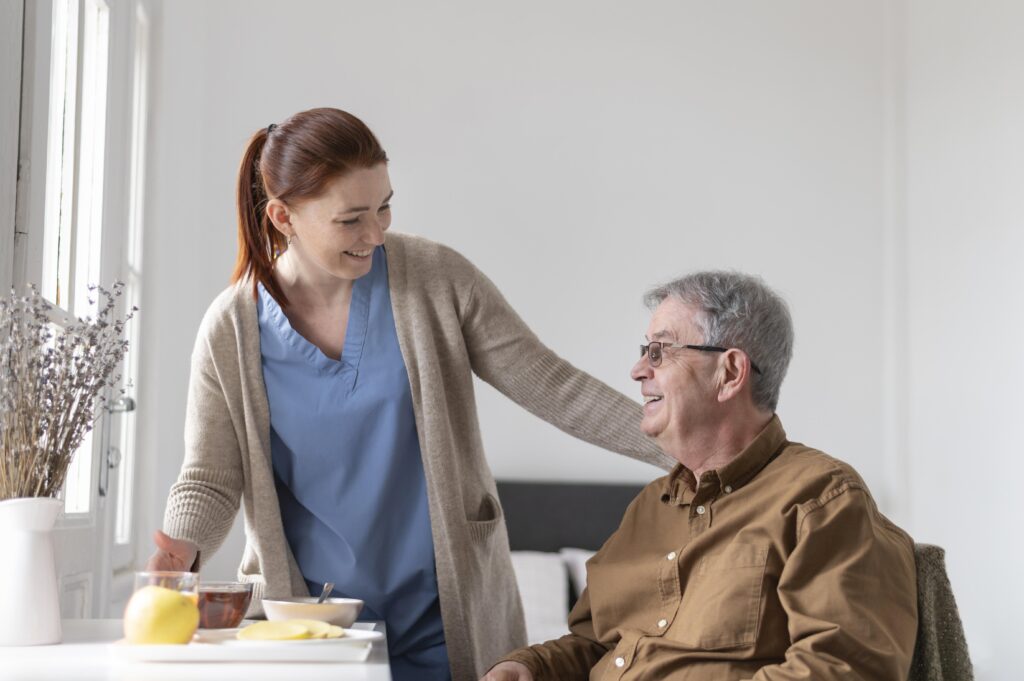
Cooking is an essential life skill that supports independence, confidence and a healthier daily routine. For people with disabilities or additional support needs, learning to prepare meals independently can make everyday life more manageable and rewarding. cooking independence training focuses on developing practical kitchen skills at an individual’s own pace, helping them participate more confidently in meal preparation and daily living activities.
Nurtcare.com recognises the importance of personalised support that encourages individuals to develop their abilities, make choices and work towards greater independence. With appropriate guidance, people can learn useful cooking techniques, improve their kitchen safety awareness and gain confidence in preparing simple meals.
What Is Cooking Independence Training?
Cooking independence training is a practical approach to learning the skills needed to prepare food with greater independence. It can be particularly beneficial for people living with disabilities who want to strengthen their daily living skills and participate more actively in household routines.
Training may include identifying ingredients, following recipes, measuring portions, using kitchen appliances safely and cleaning up after cooking. Support is adjusted to each person’s abilities, learning preferences and individual goals.
Rather than completing every task for the individual, a support worker can encourage participation by demonstrating techniques, providing step-by-step instructions and gradually reducing assistance as skills develop.
Why Is Cooking Independence Training Important?
Learning to cook offers benefits beyond preparing meals. It can help individuals build confidence, develop decision-making skills and become more involved in their everyday routines.
1. Develops Essential Daily Living Skills
Preparing meals involves several important activities, including planning, organising ingredients, following instructions and maintaining a clean workspace. Practising these tasks can strengthen everyday living skills and help individuals take a more active role in managing their homes.
2. Builds Confidence and Self-Esteem
Successfully preparing a meal can provide a sense of achievement. As individuals become familiar with kitchen tasks, they may feel more comfortable trying new recipes and taking responsibility for appropriate parts of the cooking process.
3. Encourages Healthy Food Choices
Cooking at home creates opportunities to learn about balanced meals, food groups, portion sizes and ingredient selection. Individuals can explore foods they enjoy while developing practical knowledge about preparing nutritious meals.
Dietary requirements and individual health needs should always be considered when planning meals.
4. Supports Choice and Independence
Cooking allows individuals to express their preferences, choose ingredients and participate in decisions about what they eat. These experiences can promote greater control over daily routines and encourage self-determination.
Essential Skills Taught Through Cooking Independence Training
Effective cooking independence training focuses on practical skills that can be used in everyday life.
Meal Planning and Preparation
Individuals can learn to choose simple recipes, identify required ingredients and prepare a basic shopping list. These activities also support planning, organisation and budgeting skills.
Kitchen Safety
Safety is a fundamental part of learning to cook. Training may cover handwashing, food hygiene, safe handling of utensils, appropriate use of appliances and awareness of hot surfaces.
Support should reflect each person’s needs, with suitable supervision or adaptive equipment provided whenever necessary.
Following Recipes and Instructions
Simple recipes can help individuals practise sequencing, reading instructions, measuring ingredients and completing tasks in the correct order. Visual instructions, picture cards and easy-read recipes may make learning more accessible.
Using Kitchen Equipment
Depending on individual abilities, training may involve using measuring cups, mixing bowls, peelers, microwaves or other suitable equipment. Adaptive utensils and accessible kitchen arrangements can help reduce barriers to participation.
Cleaning and Food Storage
Cooking skills also include washing dishes, wiping surfaces, storing leftovers correctly and keeping food preparation areas hygienic. These habits contribute to a safer and more organised kitchen.
How Personalised Support Makes a Difference
Every individual learns differently. Some people may benefit from verbal instructions, while others may learn more effectively through demonstrations, visual prompts or repeated practice.
A personalised approach begins by identifying existing abilities, preferred foods, learning goals and areas where support is required. Tasks can then be divided into manageable steps, allowing the individual to practise without feeling overwhelmed.
For example, a beginner might start by making a sandwich or preparing a simple breakfast. As confidence improves, they may progress to preparing salads, assembling ingredients for a basic meal or following a straightforward recipe.
Support workers should encourage participation, respect personal choices and provide assistance without unnecessarily taking over tasks the individual can perform.
Cooking Independence Training and NDIS Support
For eligible Australians, cooking and meal preparation assistance may form part of broader disability support arrangements, depending on individual circumstances, assessed needs and applicable NDIS funding rules.
The aim is to help participants develop practical skills and participate in daily activities as independently as possible. Depending on their goals and support arrangements, this may include learning meal preparation techniques, building kitchen confidence or practising routines involved in preparing food.
Not every cooking-related expense or support service is automatically covered by the NDIS. Participants should check their current plan, applicable funding rules and support eligibility before making arrangements.
Nurtcare.com can be considered when exploring support options for individuals seeking to strengthen everyday living skills. Discussing personal goals and support requirements can help determine what type of assistance may be appropriate.
How to Get Started with Cooking Independence Training
Getting started does not require advanced cooking skills. A structured, gradual approach can make learning more achievable.
- Identify personal goals: Decide whether the priority is preparing breakfast, making simple lunches or learning to cook complete meals.
- Choose manageable recipes: Begin with familiar dishes that require fewer ingredients and straightforward steps.
- Prepare the kitchen: Organise utensils, ingredients and accessible equipment before starting.
- Practise consistently: Repetition helps reinforce familiar routines and build confidence.
- Review progress: Recognise achievements and adjust tasks as abilities and preferences develop.
Patience is important throughout the process. Progress may vary, and the goal should be meaningful participation rather than completing every task perfectly.
Conclusion
Cooking independence training can help individuals strengthen practical life skills, improve confidence and participate more actively in everyday routines. Through personalised instruction, accessible equipment and appropriate safety measures, cooking can become a valuable opportunity to practise independence and make personal choices.
Nurtcare.com supports the importance of individualised assistance that respects each person’s abilities, preferences and goals. With a gradual and supportive approach, individuals can work towards greater confidence in the kitchen and more independence in daily living.
Frequently Asked Questions
1. What is cooking independence training?
Cooking independence training teaches individuals the practical skills required to prepare food more independently. It may include meal planning, food hygiene, following recipes, using kitchen equipment and cleaning after cooking.
2. Who can benefit from cooking independence training?
People with disabilities or additional support needs who want to improve their daily living skills may benefit. Training should be adapted to the individual’s abilities, preferences, safety requirements and personal goals.
3. What skills are taught during cooking independence training?
Common skills include choosing ingredients, measuring quantities, preparing simple meals, using suitable appliances, following instructions, maintaining food hygiene and storing leftovers safely.
4. Can cooking independence training help build confidence?
Yes. Practising manageable tasks and gradually learning new techniques can help individuals recognise their progress, make decisions and become more confident in the kitchen.
5. Can cooking independence training be included in NDIS support?
Depending on individual circumstances, goals, funding arrangements and current NDIS rules, assistance with meal preparation or developing daily living skills may be appropriate. Eligibility and funding should be confirmed before services are arranged.
