
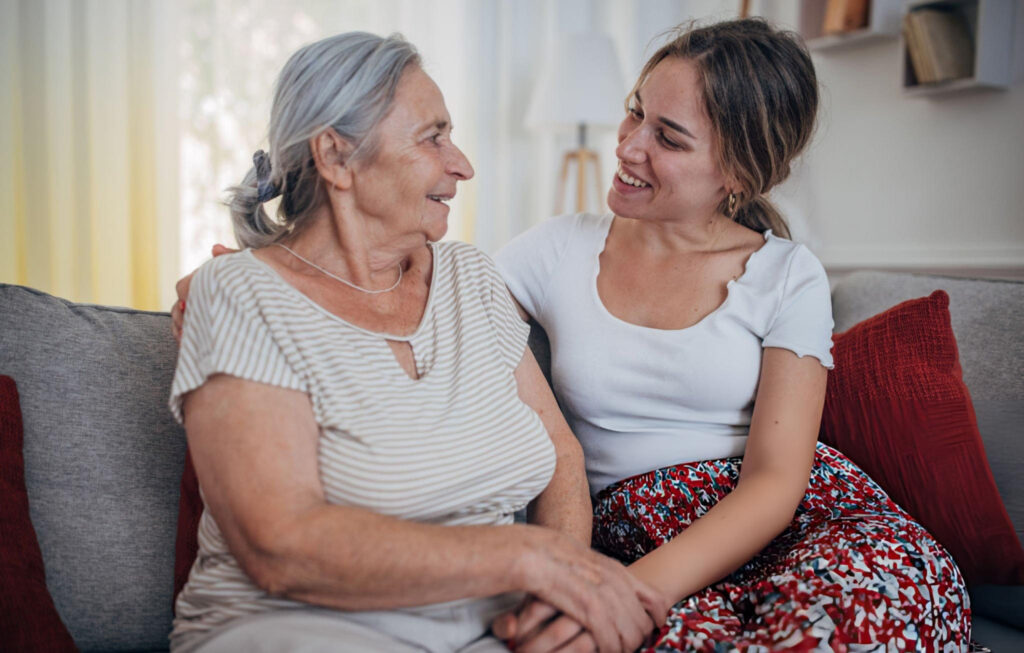
Learning to prepare meals is an important step towards greater independence, confidence, and a healthier lifestyle. For people living with disability, developing everyday cooking abilities can make daily routines easier and create opportunities to participate more actively in home and community life. With the right guidance, participants can learn practical skills at their own pace while working towards their personal goals.
meal preparation skills NDIS support can help eligible participants develop essential daily living abilities, from planning meals and preparing ingredients to using kitchen equipment safely. Nurtcare.com recognises the importance of personalised support that encourages people to build confidence, practise new tasks, and develop greater independence in their everyday routines.
What Are Meal Preparation Skills Under the NDIS?
Meal preparation skills involve the practical activities required to plan, prepare, and serve food. Depending on a participant’s abilities, preferences, and support needs, these activities may include choosing recipes, organising ingredients, washing vegetables, measuring portions, using kitchen appliances, and cleaning up afterwards.
Under the National Disability Insurance Scheme (NDIS), eligible participants may receive assistance to develop daily living skills when this support aligns with their individual goals, plan, and applicable funding rules.
The aim is not simply to prepare a meal. It is to help participants build useful skills, make informed choices, and become more confident in managing everyday tasks.
Benefits of Meal Preparation Skills NDIS Support
Developing cooking abilities can offer several practical benefits for participants who want to increase their independence.
1. Greater Independence at Home
Preparing a meal can be a meaningful achievement. Learning to complete tasks such as making breakfast, preparing a sandwich, or cooking a simple dinner can help participants manage more of their daily routines with less assistance over time, where appropriate.
2. Improved Confidence and Self-Esteem
New skills often develop through small, achievable steps. Successfully measuring ingredients, following a recipe, or preparing a favourite dish can encourage participants to try other household activities and feel more confident in their abilities.
3. Better Meal Planning Habits
Meal planning helps participants understand how to organise food for the week, create shopping lists, compare ingredients, and reduce unnecessary food waste. These activities can also support budgeting and decision-making skills.
4. Development of Everyday Life Skills
Cooking involves more than food preparation. It can provide opportunities to practise sequencing, time management, problem-solving, communication, and organisation. These skills may also be useful in other areas of independent living.
5. Increased Participation in Daily Activities
Preparing meals can encourage participants to take a more active role in household routines. Depending on their preferences and circumstances, they may also enjoy preparing food with family members, housemates, or support workers.
Essential Cooking Skills Participants Can Learn
The specific skills taught through meal preparation support should reflect each participant’s abilities, goals, and preferred level of independence.
- Meal planning: Choosing suitable meals and creating a weekly food plan.
- Grocery shopping: Preparing shopping lists, identifying ingredients, and comparing prices.
- Food preparation: Washing produce, peeling vegetables, measuring ingredients, and organising utensils.
- Kitchen safety: Learning safe practices around knives, hot surfaces, electrical appliances, and food storage.
- Following recipes: Understanding written instructions, visual guides, timers, and step-by-step processes.
- Cooking techniques: Practising suitable methods such as boiling, steaming, baking, or preparing simple no-cook meals.
- Cleaning and hygiene: Washing hands, cleaning surfaces, storing leftovers correctly, and maintaining a tidy kitchen.
Support workers can adapt these activities by using visual instructions, accessible utensils, simplified recipes, reminders, or demonstrations where appropriate.
How Nurtcare.com Can Support Meal Preparation Skills
Developing cooking skills is a personal journey, and every participant may require a different level of assistance. Nurtcare.com focuses on the importance of understanding individual preferences, daily routines, and personal goals when considering support for everyday living activities.
Depending on the services available and a participant’s requirements, support may involve:
- Breaking complex cooking tasks into smaller, manageable steps.
- Encouraging participants to make their own food and recipe choices.
- Practising simple meals before progressing to more complex recipes.
- Using visual schedules, reminders, and accessible kitchen tools.
- Supporting safe food handling and kitchen hygiene.
- Encouraging participants to complete tasks independently whenever possible.
The NDIS recognises that eligible participants may receive assistance to develop skills such as preparing and cooking meals. The type and level of assistance depend on individual needs and applicable funding requirements.
For participants exploring daily living assistance, Nurtcare.com can be a starting point for learning about available support options and considering which services may suit their goals.
Kitchen Safety and Healthy Eating
Safety is an essential part of learning meal preparation skills. Participants should receive guidance that matches their abilities and support requirements.
Important safety practices include washing hands before handling food, cleaning preparation surfaces, storing ingredients correctly, and learning to use kitchen appliances appropriately. Participants who need assistance with knives, hot surfaces, or other potentially hazardous equipment should receive suitable supervision.
Healthy eating can also be incorporated into cooking activities. Participants can learn about including different food groups, choosing suitable portions, and planning meals around their preferences and dietary requirements.
Where a participant has swallowing difficulties, allergies, or other specific dietary needs, support workers should follow relevant professional recommendations and documented mealtime management plans.
Who Can Benefit from Meal Preparation Skills Support?
Meal preparation support may be useful for NDIS participants whose disabilities affect their ability to plan, prepare, or safely cook food.
This may include people who experience physical limitations, cognitive challenges, or psychosocial disabilities that make cooking more difficult. Some participants may need occasional guidance, while others may require ongoing assistance with several stages of meal preparation.
The goal should always reflect the individual’s circumstances. For some people, success may mean preparing a complete meal independently. For others, it may mean making choices, preparing ingredients, or safely participating in one part of the cooking process.
How to Get Started with NDIS Meal Preparation Support
If you are considering meal preparation skills NDIS support, begin by identifying the activities you find difficult and the skills you would like to develop.
- Identify your goals: Decide whether you want to learn basic cooking, plan meals, improve kitchen safety, or manage more household tasks.
- Review your NDIS plan: Check whether your current funding can cover the support you need and whether the proposed service meets NDIS funding requirements.
- Discuss your support needs: Explain your preferences, existing abilities, and any assistance required for safe cooking.
- Create a practical learning plan: Start with achievable tasks and gradually build skills according to your comfort and progress.
- Review your progress: Discuss what is working and whether the level of support needs to change.
Not every participant will qualify for NDIS funding for meal preparation. Eligibility depends on the applicable funding criteria and individual circumstances. Food and grocery costs are generally everyday living expenses rather than funded meal preparation supports.
Frequently Asked Questions
1. What are meal preparation skills NDIS supports?
Meal preparation skills NDIS supports can help eligible participants develop daily living abilities, including meal planning, grocery shopping, food preparation, cooking, and kitchen hygiene.
2. Can the NDIS fund cooking assistance?
The NDIS may fund cooking assistance when it meets the relevant funding criteria and is related to a participant’s disability support needs. Funding depends on individual circumstances and the supports included in their plan.
3. Can a support worker teach me to cook?
A support worker may help you practise cooking, follow recipes, use kitchen equipment safely, and develop greater independence. The assistance provided should align with your goals and support requirements.
4. Do I need cooking experience to receive meal preparation support?
No previous cooking experience is necessarily required. Support can begin with basic activities, such as washing vegetables, preparing sandwiches, or following simple recipes, depending on your needs.
5. Does NDIS funding cover groceries and ingredients?
Generally, no. Groceries and food are everyday living expenses. Eligible meal preparation supports may cover approved assistance with preparing meals, but the food itself is generally paid for by the participant.
6. How can Nurtcare.com help me explore daily living support?
Nurtcare.com can be a starting point for exploring support options and understanding how daily living assistance may relate to your goals. Contact the provider to confirm available services, eligibility requirements, and whether its support options match your needs.
