Developing everyday living skills can help people with disabilities gain greater independence, confidence, and control over their daily routines. Cleaning is an important life skill that supports personal hygiene, household safety, and a comfortable living environment. With the right guidance and practical assistance, individuals can learn cleaning tasks at their own pace and develop routines that suit their abilities.
cleaning skills training disability support focuses on helping individuals understand and practise essential household activities, from organising personal belongings to wiping surfaces and maintaining tidy living spaces. Nurtcare.com recognises the importance of person-centred disability support that encourages participation, dignity, and independence in everyday life.
What Is Cleaning Skills Training for People With Disabilities?
Cleaning skills training for people with disabilities involves teaching practical household cleaning techniques in a structured, accessible, and supportive environment. The training can be adapted to an individual’s abilities, preferences, learning style, and personal goals.
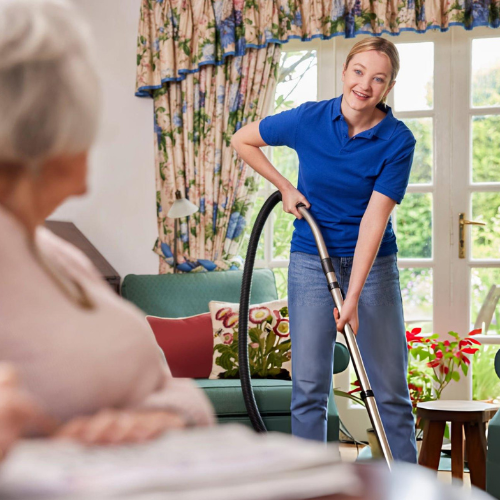
Depending on their needs, participants may learn how to sweep floors, make beds, organise laundry, clean kitchen surfaces, or keep bathrooms tidy. Some people may need verbal instructions, demonstrations, visual reminders, or hands-on assistance to complete particular activities.
The main objective is not simply to complete household chores. It is to help individuals develop useful skills, participate in daily routines, and build confidence in managing their own living spaces.
Benefits of Cleaning Skills Training Disability Support
1. Encourages Greater Independence
Learning to complete household tasks can help individuals take an active role in their daily lives. Rather than relying entirely on others, participants can practise manageable cleaning activities and gradually take responsibility for tasks they feel comfortable performing.
Over time, this can support greater independence at home and improve confidence in everyday decision-making.
2. Develops Practical Life Skills
Cleaning involves several valuable abilities, including following instructions, organising tasks, managing time, and recognising when an activity is complete.
Through cleaning skills training disability programs, individuals can practise these abilities in familiar surroundings. Breaking larger tasks into smaller steps can make learning more accessible and achievable.
3. Supports Hygiene and Home Safety
A clean home can contribute to a healthier and more comfortable environment. Training may cover appropriate cleaning methods, safe storage of household products, basic hygiene practices, and ways to reduce clutter.
Support workers should explain safety procedures clearly and adapt activities to minimise risks, particularly when using cleaning equipment or products.
4. Builds Confidence and Self-Esteem
Successfully completing a task can provide a sense of achievement. Encouragement, positive feedback, and opportunities to practise without unnecessary pressure can help individuals recognise their progress.
Training should focus on personal development rather than comparing one person’s abilities with another’s.
5. Promotes Participation in Daily Life
Household responsibilities can provide opportunities to practise communication, cooperation, sequencing, and problem-solving. Individuals may also learn to express their preferences, request assistance, and choose which tasks they want to undertake.
These skills can support participation in other areas of everyday life.
Essential Skills Covered in Cleaning Training
A well-planned cleaning skills program should reflect the individual’s goals and support requirements. Common areas of learning include:
- Basic household cleaning: Wiping surfaces, dusting furniture, sweeping floors, and keeping personal spaces tidy.
- Laundry management: Sorting clothing, understanding washing instructions, folding clothes, and putting items away.
- Kitchen hygiene: Cleaning suitable food preparation surfaces, washing dishes, and organising kitchen items safely.
- Bathroom maintenance: Learning appropriate cleaning routines and hygiene practices with suitable supervision where required.
- Organisation and decluttering: Returning belongings to designated places and maintaining accessible walkways.
- Task planning: Following checklists, recognising task sequences, and developing consistent cleaning routines.
- Safe equipment use: Understanding how to use appropriate cleaning tools and store products securely.
Activities should be selected according to individual preferences, physical abilities, sensory needs, and safety considerations.
How Nurtcare.com Can Support Everyday Living Skills
Nurtcare.com can be a starting point for exploring disability support options that align with an individual’s daily living goals. When considering cleaning skills training, it is important to discuss the person’s current abilities, desired outcomes, and the type of assistance that would be most useful.
A person-centred approach may include setting achievable goals, demonstrating cleaning techniques, practising tasks together, and gradually reducing assistance as confidence develops. Visual schedules, adapted equipment, easy-to-understand instructions, and predictable routines may also help make learning more accessible.
Support should respect individual choice and recognise that independence does not mean doing everything without help. Some people may perform tasks independently, while others may benefit from ongoing assistance.
Contact Nurtcare.com to discuss available services and determine whether its support options match your household skill development needs. Confirm the current service scope, location availability, and relevant eligibility requirements directly with the provider.
Cleaning Skills Training and the NDIS
In Australia, the National Disability Insurance Scheme (NDIS) may fund eligible supports that help participants develop daily living skills and work towards their approved goals. Whether cleaning skills training is funded depends on the participant’s circumstances, the purpose of the support, applicable NDIS funding rules, and the details of their plan.
It is important to distinguish between learning how to complete household tasks and paying someone to carry out routine domestic cleaning. These are different types of support, and their funding eligibility may differ.
Participants and their support networks should review their plan, discuss the intended outcomes with their support coordinator or relevant provider, and check current NDIS requirements before making arrangements. Funding should never be assumed solely because a service relates to disability.
Tips for Making Cleaning Skills Training Effective
Successful training starts with realistic expectations and a supportive learning environment. The following strategies can help:
- Set achievable goals: Begin with simple tasks that match the person’s current abilities and interests.
- Break activities into steps: Demonstrate one stage at a time instead of giving too many instructions at once.
- Use visual reminders: Checklists, pictures, and colour-coded storage can help individuals remember routines.
- Allow enough time: Give participants opportunities to practise without rushing or creating unnecessary pressure.
- Provide positive feedback: Recognise effort and progress while respecting the individual’s preferences.
- Review goals regularly: Adjust tasks, equipment, and support levels as skills and confidence change.
- Prioritise safety: Use suitable products and tools, avoid unsafe lifting or reaching, and provide assistance whenever necessary.
A consistent, flexible approach can make household skill development more meaningful and sustainable.
Conclusion
Cleaning skills training disability support can help individuals build practical abilities, improve confidence, and participate more actively in everyday household routines. With personalised instruction, appropriate adaptations, and realistic goals, cleaning can become a valuable opportunity to develop independence and daily living skills.
Nurtcare.com can help individuals and families explore relevant disability support options and discuss their goals. Choosing an approach that respects personal preferences, promotes safety, and supports gradual progress can make a meaningful difference to everyday life.
Frequently Asked Questions (FAQs)
1. What is cleaning skills training for people with disabilities?
It is a structured approach to teaching household cleaning tasks, hygiene practices, organisation, and safe use of cleaning equipment. Training is adapted to the individual’s abilities and goals.
2. Who can benefit from cleaning skills training disability support?
People with disabilities who want to improve their household skills may benefit. The activities and level of assistance should be tailored to their individual needs, preferences, and abilities.
3. What tasks are included in cleaning skills training?
Tasks may include sweeping, dusting, wiping surfaces, folding laundry, washing dishes, organising belongings, and following household cleaning checklists.
4. Can cleaning skills training be funded through the NDIS?
Potentially, if the support meets applicable NDIS funding requirements and relates to the participant’s approved needs and goals. Eligibility depends on individual circumstances and current rules.
5. How does cleaning skills training promote independence?
It helps individuals practise manageable tasks, develop routines, make choices, and build confidence in maintaining their living spaces. The aim is to support participation at a level that suits each person.
6. How can cleaning activities be adapted for different disabilities?
Adaptations may include visual instructions, simplified steps, accessible equipment, additional practice time, sensory adjustments, or physical assistance. The approach should reflect the person’s needs and safety requirements.
7. How can I explore disability support options with Nurtcare.com?
Contact Nurtcare.com to discuss your goals, the type of assistance required, and the services currently available. Ask about service coverage, eligibility, and whether daily living skills support is offered.