Wellbeing plays an important role in helping people with disabilities live happy, healthy, and independent lives. For individuals receiving support through the National Disability Insurance Scheme (NDIS), wellbeing programs can provide valuable opportunities to develop life skills, improve confidence, build relationships, and participate in meaningful activities. wellbeing programs for NDIS participants focus on supporting physical, emotional, and social wellbeing while encouraging individuals to achieve their personal goals.
Nurtcare.com understands the importance of personalised disability support. By providing compassionate care and assistance, the organisation helps NDIS participants improve their everyday experiences, maintain independence, and become more involved in their communities.
What Are Wellbeing Programs for NDIS Participants?
Wellbeing programs are structured activities and support services designed to improve an individual’s overall quality of life. These programs consider different aspects of wellbeing, including physical health, emotional confidence, social interaction, and personal development.
For NDIS participants, suitable wellbeing activities may include recreational programs, community participation, daily living support, social activities, and opportunities to develop practical skills.
The main objective is to help individuals become more confident, independent, and comfortable in their everyday lives. Each person’s needs and interests are different, so support should be personalised according to their abilities, preferences, and NDIS goals.
Importance of Wellbeing Programs for People With Disabilities
Wellbeing programs can make a meaningful difference in the lives of people living with disabilities. They provide opportunities to develop new abilities, connect with others, and experience greater independence.
Some important benefits include:
- Improved Social Connections: Group activities and community participation help participants develop friendships and reduce social isolation.
- Better Confidence: Learning new skills and participating in enjoyable activities can strengthen self-esteem.
- Increased Independence: Practical assistance helps individuals manage everyday responsibilities and make independent choices.
- Healthy Lifestyle Habits: Suitable recreational activities can encourage movement, routine, and healthier daily habits.
- Emotional Wellbeing: Supportive relationships and meaningful experiences can help participants feel valued, included, and connected.
These benefits can contribute to improved daily experiences and greater participation in community life.
Different Types of Wellbeing Activities for NDIS Participants
Choosing appropriate activities is essential for creating a positive support experience. Wellbeing programs can include several types of activities depending on individual interests and support requirements.
1. Recreational and Lifestyle Activities
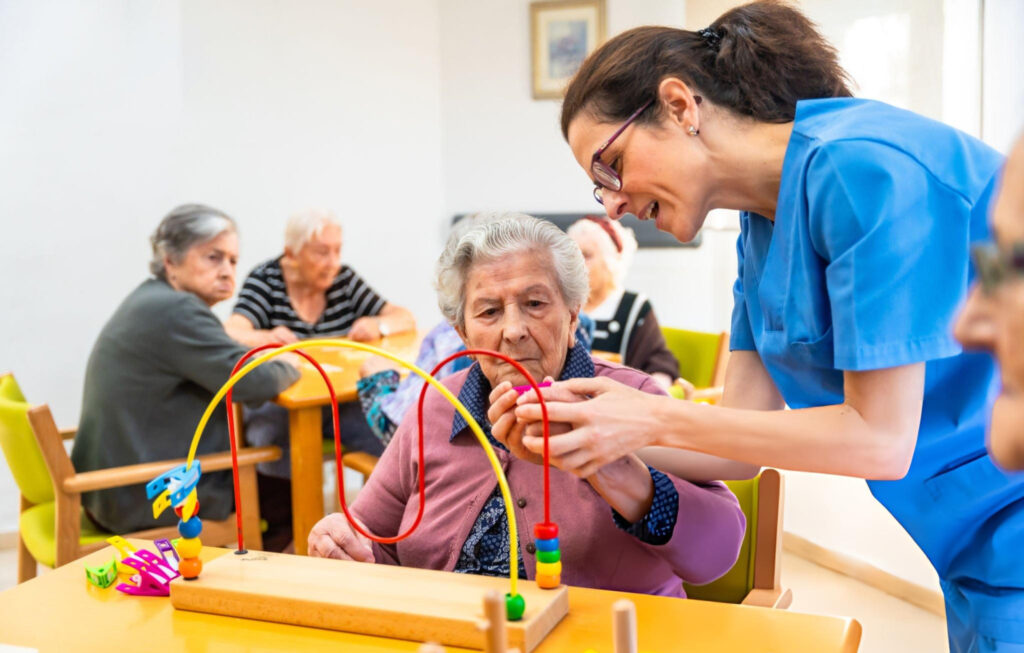
Recreational activities provide enjoyable opportunities for participants to explore their interests and develop new hobbies. These may include arts and crafts, music, outdoor activities, games, and community outings.
Participating in enjoyable activities can encourage creativity, confidence, and social interaction.
2. Community Access and Social Support
Community participation helps individuals become more involved in their local surroundings. Participants may receive assistance with attending social gatherings, visiting public places, joining community events, or exploring recreational opportunities.
Nurtcare.com provides community access and social support to help individuals participate more confidently in everyday activities.
3. Daily Living and Personal Development
Developing everyday skills is another important part of wellbeing. Participants may benefit from assistance with meal preparation, personal care, household responsibilities, communication, and daily routines.
These activities encourage individuals to build practical abilities and maintain greater independence.
4. Capacity Building and Skill Development
Capacity-building activities focus on developing abilities that support long-term independence. Participants may work on communication, decision-making, confidence, and practical life skills.
With appropriate guidance and encouragement, individuals can gradually develop the skills needed to manage different aspects of daily life.
How to Choose the Right Wellbeing Programs
Selecting suitable wellbeing programs requires understanding the participant’s personal goals, preferences, and support needs.
Consider the following factors before choosing a program:
- Personal Interests: Select activities that match the participant’s hobbies and preferences.
- Individual Goals: Consider activities that support independence, confidence, and community participation.
- Accessibility: Ensure activities and environments are suitable for the participant’s mobility and accessibility requirements.
- Qualified Support: Choose experienced support workers who understand individual needs and provide respectful assistance.
- Flexible Arrangements: Look for services that can adapt as personal goals and circumstances change.
It is also important to check whether the proposed supports meet NDIS funding requirements and are included in the participant’s approved plan where applicable.
Why Choose Nurtcare.com for NDIS Support?
Finding the right disability support provider can make everyday life more manageable and rewarding. Nurtcare.com focuses on delivering personalised support that respects individual choices, promotes independence, and encourages meaningful community participation.
Its support services include in-home care, community access and social support, recreational and lifestyle support, assisted transport, household assistance, and capacity building.
The organisation understands that every participant has different requirements. Its approach focuses on developing personalised support arrangements that reflect individual goals, routines, and preferences.
Whether someone needs assistance with everyday activities or support to participate in their community, Nurtcare.com aims to make the experience comfortable, respectful, and empowering.
Conclusion
Wellbeing programs for NDIS participants are valuable for encouraging independence, improving confidence, developing practical skills, and building meaningful social connections. With suitable activities and personalised assistance, individuals can enjoy greater participation in everyday life and work towards their personal goals.
Choosing a supportive provider is an important step towards achieving positive outcomes. Nurtcare.com offers personalised disability support services designed to promote independence, dignity, and overall wellbeing. With the right guidance and encouragement, every participant can work towards a more fulfilling and confident lifestyle.
Frequently Asked Questions (FAQs)
1. What are wellbeing programs for NDIS participants?
Wellbeing programs are activities and support services designed to improve physical, emotional, and social wellbeing while helping participants develop independence and confidence.
2. What activities are included in NDIS wellbeing programs?
Activities may include recreational outings, social gatherings, community participation, daily living assistance, personal development, and practical life skills training.
3. How do wellbeing programs benefit NDIS participants?
They can encourage social connections, improve confidence, develop everyday skills, promote independence, and create opportunities for meaningful community participation.
4. Can NDIS participants choose their own wellbeing activities?
Yes. Participants can express their interests, preferences, and personal goals when selecting suitable activities and support arrangements.
5. Does Nurtcare.com provide community participation support?
Yes. Nurtcare.com offers community access and social support to help individuals participate in activities and remain connected with their communities.
6. Are wellbeing programs covered by NDIS funding?
Some wellbeing-related supports may be funded when they meet NDIS funding criteria, relate to the participant’s disability support needs, and satisfy applicable reasonable and necessary requirements.
7. How can I find suitable wellbeing support services?
Start by identifying personal goals, preferred activities, accessibility requirements, and available NDIS funding. You can then contact a suitable provider such as Nurtcare.com to discuss your support needs.