
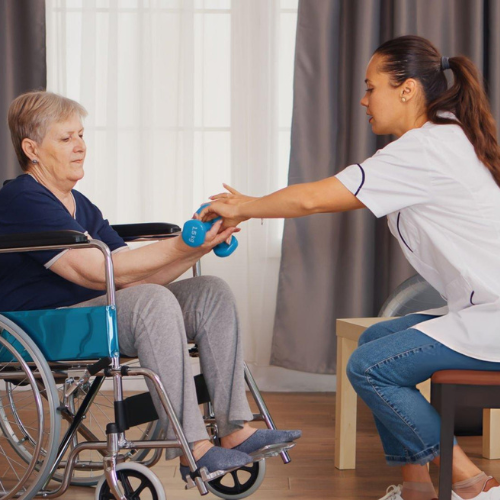
rehabilitation care planning is an important part of helping people living with disability, recovering from illness or injury, or managing changing support needs. A well-designed plan provides a structured approach to identifying individual goals, understanding support requirements and encouraging greater independence.
Effective rehabilitation should not follow a one-size-fits-all model. Each person has different abilities, preferences, challenges and aspirations. Nurtcare.com focuses on personalised support that respects these differences while helping individuals work towards meaningful outcomes in everyday life.
What Is Rehabilitation Care Planning?
Rehabilitation care planning is the process of developing an individualised plan that identifies a person’s current needs, personal goals, required supports and desired outcomes. It may involve collaboration between the individual, family members, carers and relevant professionals.
The focus is not simply on providing assistance. Instead, rehabilitation planning aims to help people build confidence, maintain functional abilities, participate in their communities and achieve greater independence wherever possible.
Australian rehabilitation guidance highlights person-centred and goal-directed care, with the person’s preferences and priorities helping guide rehabilitation decisions.
Why Is Rehabilitation Care Planning Important?
A structured care plan can make support more coordinated and purposeful. Rather than addressing individual needs separately, rehabilitation care planning brings goals, daily activities, risks and support strategies together.
Some important benefits include:
- Personalised support: Care can be adapted to individual circumstances and preferences.
- Clear goals: Individuals and their support teams can work towards measurable and meaningful outcomes.
- Greater independence: Appropriate assistance can encourage people to develop or maintain daily living skills.
- Better coordination: Families, carers and support workers can understand their responsibilities and work towards common objectives.
- Ongoing monitoring: Plans can be reviewed as needs, abilities or circumstances change.
NDIS Practice Standards emphasise that participants should actively participate in developing their support plans and that plans should reflect their needs, preferences, strengths and goals. They should also be reviewed as circumstances change.
Key Elements of Effective Rehabilitation Planning
A strong rehabilitation care plan should begin by understanding the individual. This includes considering their daily routines, abilities, challenges, personal preferences and long-term aspirations.
1. Individual Assessment
The first step is understanding what support a person needs. This may include physical abilities, communication, mobility, personal care, household activities and community participation.
2. Meaningful Goals
Goals should relate to what matters to the individual. For example, a person may want to improve their ability to prepare meals, move around their home, participate in community activities or manage certain everyday tasks more confidently.
3. Appropriate Support Strategies
Once goals are identified, practical strategies can be developed. Depending on individual circumstances, support may involve assistance with daily living, personal care, community participation, capacity building or other appropriate services.
4. Risk and Safety Considerations
Good planning should consider potential risks and establish appropriate strategies to protect health, safety and wellbeing. NDIS standards specifically include regular risk assessment and review within support planning.
5. Regular Review
A rehabilitation plan should not remain unchanged indefinitely. Progress should be monitored and adjustments made when goals, abilities, circumstances or support requirements change.
Rehabilitation Care Planning and NDIS Support
For NDIS participants, personalised planning plays an important role in connecting supports with individual goals. Current NDIS information states that plans are developed around a participant’s circumstances, goals and disability-related support needs.
The NDIS is also transitioning towards a new framework for planning, which is designed to make planning more person-centred, consistent and flexible. The new approach includes support needs assessments that consider a participant’s daily life, support needs and preferences.
This makes clear, person-centred rehabilitation planning particularly valuable for helping individuals communicate their needs and work towards meaningful outcomes.
How Nurtcare.com Supports Personalised Care
Nurtcare.com provides personalised in-home care and disability support designed around individual needs, lifestyles and goals. Its approach focuses on safety, dignity, independence and wellbeing.
For individuals who require ongoing assistance, thoughtful rehabilitation care planning can help create greater consistency between personal goals and everyday support. A collaborative approach can also help families and support networks understand how they can contribute to the person’s progress.
The goal should always be to provide appropriate support while encouraging individuals to exercise choice and control over their lives. This aligns with the NDIS emphasis on person-centred supports, informed choice and self-determination.
Building a More Independent Future
Rehabilitation is not only about recovering from a particular condition or improving a specific skill. It can also be about creating opportunities for people to participate more confidently in everyday life.
With realistic goals, appropriate strategies and regular reviews, rehabilitation care planning can provide a practical framework for progress. The most effective plans recognise the individual as an active participant rather than simply a recipient of care.
Nurtcare.com takes a personalised approach to support, helping individuals receive care that considers their unique needs, preferences and goals. With the right planning and consistent assistance, people can work towards greater confidence, independence and quality of life.
FAQs About Rehabilitation Care Planning
What is rehabilitation care planning?
Rehabilitation care planning is the process of creating an individualised plan based on a person’s needs, abilities, preferences and goals. It identifies appropriate support strategies and ways to monitor progress.
Who can benefit from rehabilitation care planning?
People living with disability, recovering from illness or injury, experiencing changes in functional ability, or requiring ongoing assistance may benefit from personalised rehabilitation planning.
How often should a rehabilitation care plan be reviewed?
Plans should be reviewed according to the person’s needs, progress and circumstances. NDIS support planning guidance also requires plans to be reviewed and updated when needs or circumstances change.
Can rehabilitation care planning support independence?
Yes. A person-centred approach can focus on developing strengths, maintaining abilities and supporting participation in everyday activities rather than creating unnecessary dependence on support.
Is rehabilitation care planning relevant to NDIS participants?
Yes. Individual goals and disability-related support needs are important components of NDIS planning. However, the availability and funding of particular supports depend on an individual’s circumstances and applicable NDIS rules.
How can Nurtcare.com help?
Nurtcare.com provides personalised disability and in-home care services designed around individual needs and goals. Its support approach aims to promote dignity, safety, independence and wellbeing.