Recovery is a personal journey, and everyone’s goals, abilities and support needs are different. For people living with psychosocial disability, the right assistance can make everyday activities more manageable while creating opportunities to build confidence, independence and stronger community connections.
recovery lifestyle support focuses on the individual rather than simply the challenges they experience. It can help people develop practical skills, establish routines, participate in their community and work towards goals that matter to them.
A recovery-oriented approach recognises that recovery is not necessarily about reaching a particular destination. Instead, it is about supporting a person to live a meaningful life according to their own preferences and aspirations. The NDIS describes personal recovery as a journey that can involve hope, choice, relationships, connection and greater control over daily life.
What Is Recovery Lifestyle Support?
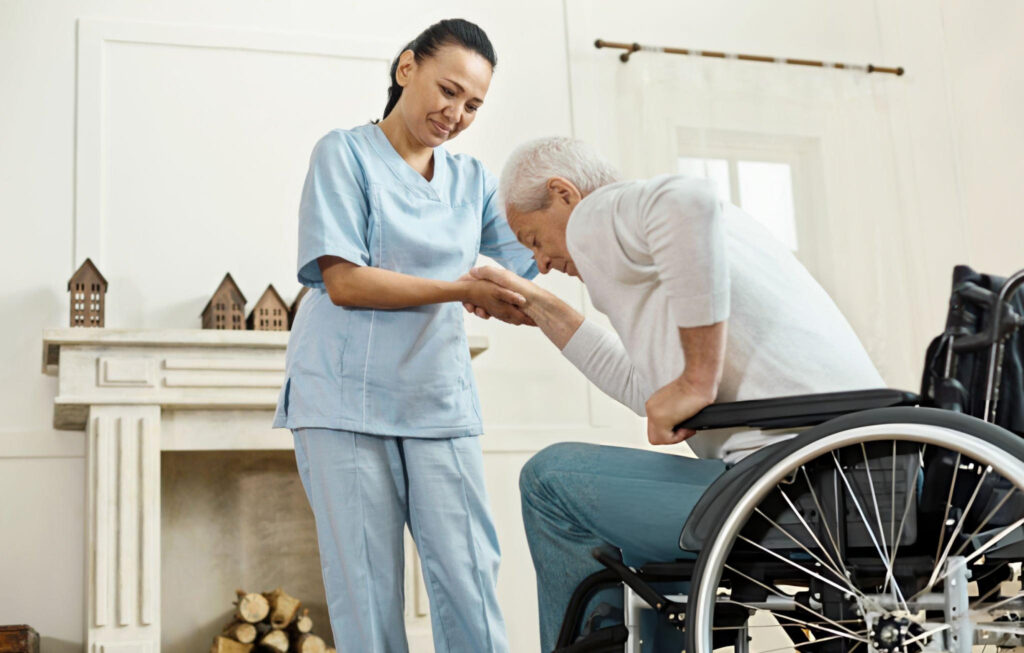
Recovery lifestyle support is person-centred assistance designed to help individuals develop skills and confidence for everyday living. Depending on a person’s needs and goals, support may involve daily routines, social participation, community access, decision-making and developing greater independence.
The NDIS explains that supports for people with psychosocial disability can include assistance with daily living, social participation, community involvement, skill development and rebuilding confidence in everyday activities.
Rather than taking control of a person’s life, effective support encourages participation and informed decision-making. The goal is to help individuals have greater choice and control while developing their existing strengths.
How Recovery Lifestyle Support Can Help
A well-planned support approach can assist with several areas of everyday life.
Building Daily Living Skills
Some people may need assistance developing or maintaining practical skills such as planning a day, preparing meals, managing household responsibilities, organising appointments or handling everyday tasks.
Support can be structured around the person’s current abilities and gradually encourage greater independence.
Developing Confidence and Resilience
Confidence can grow through achievable goals and positive experiences. Support workers can encourage individuals to identify their strengths, make decisions and learn from challenges.
The NDIS identifies building capacity and resilience as important aspects of recovery coaching and psychosocial support.
Encouraging Community Participation
Social connection can play an important role in a person’s recovery journey. Recovery lifestyle support may help individuals participate in community activities, pursue hobbies, develop social skills or reconnect with people and places that are meaningful to them.
The NDIS recognises community connection, social participation and economic participation as important areas of support for people with psychosocial disability.
Supporting Personal Goals
Recovery should be guided by the individual. One person’s goal may be to become more confident with household tasks, while another may want to develop social connections, pursue education or prepare for employment.
Nurtcare.com can approach support around individual goals, preferences and circumstances rather than applying the same routine to everyone.
A Person-Centred Approach Matters
Quality recovery lifestyle support should respect the person’s choices, dignity and pace. The NDIS Quality and Safeguards Commission highlights the importance of listening, encouraging, advocating and supporting people to make their own choices.
Trust is also important. A supportive relationship can make it easier for individuals to communicate their needs, identify goals and feel comfortable trying new activities.
Recovery-oriented practice should also recognise that psychosocial disability can fluctuate. A person’s support needs may change depending on their circumstances, environment and wellbeing. Flexible and respectful assistance can therefore be valuable.
Why Choose Nurtcare.com for Recovery Lifestyle Support?
Nurtcare.com focuses on providing supportive care that can help people work towards greater independence and participation in everyday life.
Effective recovery lifestyle support should be based on understanding the individual, communicating respectfully and creating practical opportunities for skill development. It should also work alongside other appropriate services when required.
It is important to remember that NDIS supports for psychosocial disability are generally focused on functional ability and long-term recovery rather than replacing clinical mental health treatment. Clinical treatment remains the responsibility of the health system.
For this reason, people may benefit from coordinated support involving appropriate disability, community and clinical services according to their individual circumstances.
Choosing the Right Recovery Lifestyle Support
When considering a provider, look for an approach that:
- Respects individual choice and control
- Focuses on personal goals
- Encourages independence rather than unnecessary dependence
- Supports skill and confidence development
- Promotes community participation
- Communicates clearly with participants and their support networks
- Understands the fluctuating nature of psychosocial disability
- Maintains appropriate professional boundaries
A good support relationship should make the individual feel heard, respected and involved in decisions about their own life.
Conclusion
Recovery lifestyle support can provide meaningful assistance for people working towards greater independence, confidence and community participation. By focusing on personal goals, practical skills and individual strengths, support can become an important part of a person’s broader recovery journey.
Nurtcare.com aims to support individuals through respectful, person-centred assistance that recognises their choices and aspirations. With the right approach, everyday activities can become opportunities to build capacity, confidence and a more independent lifestyle.
FAQs About Recovery Lifestyle Support
1. What is recovery lifestyle support?
Recovery lifestyle support is person-centred assistance that helps individuals develop everyday skills, confidence, independence and community participation according to their personal goals.
2. Who can benefit from recovery lifestyle support?
People living with psychosocial disability who need assistance with daily living, skill development, community participation or building independence may benefit, depending on their individual circumstances and NDIS plan.
3. Does recovery lifestyle support replace mental health treatment?
No. Recovery lifestyle support is generally non-clinical and focuses on functional ability, independence and participation. Clinical diagnosis and treatment are generally provided through the mental health system.
4. Can recovery lifestyle support help with daily activities?
Yes. Depending on individual needs, support may assist with developing skills for daily routines, household responsibilities, planning, decision-making and other everyday activities.
5. Is recovery lifestyle support personalised?
Yes. A recovery-oriented approach recognises that every person’s goals, preferences, strengths and support requirements are different. Support should be tailored around the individual rather than using a one-size-fits-all approach.
6. How does Nurtcare.com approach recovery lifestyle support?
Nurtcare.com can provide person-centred support focused on individual goals, independence, practical skill development and meaningful participation while respecting each person’s choices and circumstances.