
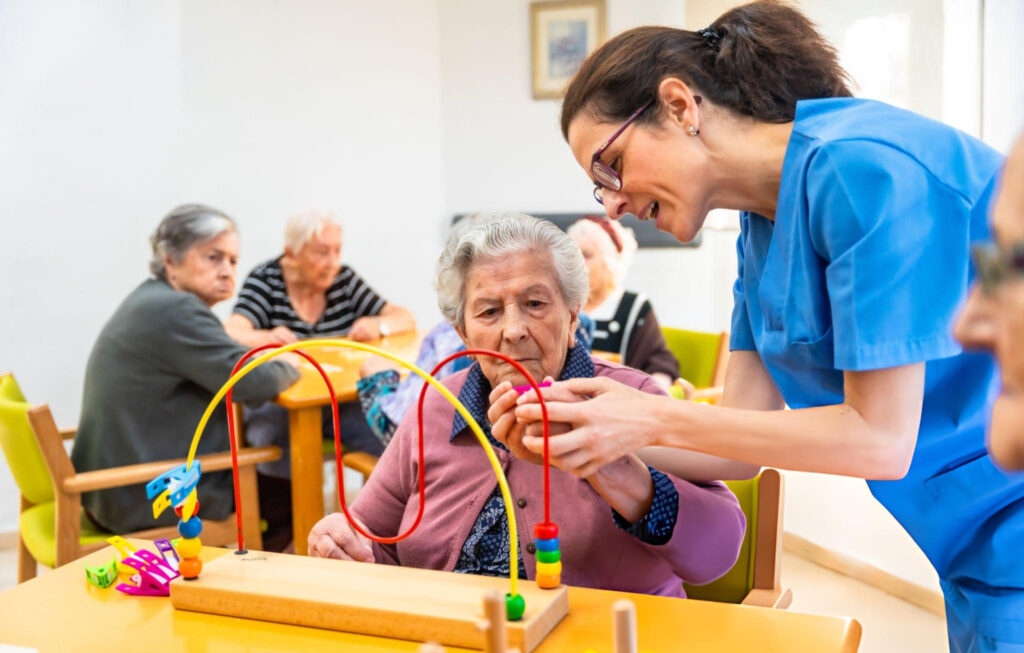
Recreation is an important part of a fulfilling life. Hobbies, sports, creative activities, social outings and community events can provide opportunities to build confidence, develop skills and maintain meaningful connections. For people living with disability, however, participating in these activities may sometimes require additional assistance.
recreational activity assistance provides personalised support that helps individuals participate in activities they enjoy while maintaining choice, dignity and independence. Nurtcare.com provides compassionate disability support designed around individual needs, preferences and personal goals.
What Is Recreational Activity Assistance?
Recreational activity assistance involves providing the practical support a person may need to participate in hobbies, leisure activities, social events and community experiences.
The type of assistance can vary significantly between individuals. Someone may need help travelling to an activity, while another person may require physical assistance, encouragement, communication support or help developing the skills needed to participate independently.
Activities may include:
- Sports and fitness programs
- Arts and crafts
- Music and creative activities
- Swimming and outdoor activities
- Movies, concerts and community events
- Visiting friends and family
- Social groups and clubs
- Shopping and recreational outings
- Meditation, yoga and other wellbeing activities
- Educational or skill-building activities
The NDIS recognises social and recreation activities as an important part of everyday life and may fund disability-related support required to participate, subject to applicable funding criteria.
Why Recreational Activities Matter
Recreation is more than simply entertainment. Regular participation can support social connection, confidence, wellbeing and personal development.
Promotes Independence
With the right level of assistance, individuals can learn how to plan outings, navigate community environments and participate in activities more confidently. Support should encourage a person’s existing abilities rather than unnecessarily replacing them.
Builds Social Connections
Social isolation can make everyday life more challenging. Recreational activities provide opportunities to meet people, maintain friendships and become part of local community groups.
Supports Physical Wellbeing
Depending on individual interests and abilities, activities such as swimming, walking, adaptive sports or gentle exercise can encourage movement and an active lifestyle.
Encourages Confidence and Skill Development
Trying a new activity can create opportunities to practise communication, planning, coordination and other practical skills. Achieving personal goals can also strengthen confidence.
Personalised Recreational Support
Effective recreational activity assistance should be person-centred. Everyone has different interests, abilities, communication preferences and goals.
Nurtcare.com focuses on personalised support that considers the individual’s lifestyle and aspirations. Its wider disability support services are designed to promote independence, wellbeing and meaningful participation in daily and community life.
A personalised approach may consider:
- What activities the person enjoys
- Their current abilities and support requirements
- Mobility or accessibility needs
- Communication preferences
- Preferred social environments
- Short- and long-term personal goals
- The level of assistance required
This approach helps make recreational participation meaningful rather than treating activities as a one-size-fits-all service.
How Recreational Activity Assistance Can Work
Support may begin with a conversation about interests, goals and barriers to participation. From there, appropriate activities can be identified and incorporated into an individual’s support arrangements.
A support worker may assist with planning, preparation, transportation, participation and returning home safely. Depending on the person’s goals, support can also focus on developing skills so they become more confident participating independently over time.
Nurtcare.com also provides transport to appointments and activities and community access and social support, which can complement recreational participation.
Choosing the Right Support Provider
When selecting a provider, it is important to look beyond simply whether activities are available. Consider whether the provider understands person-centred care and respects individual choices.
Look for:
- Experienced and appropriately trained support workers
- Flexible support arrangements
- Respectful communication
- Individualised care planning
- A focus on independence and dignity
- Support for community participation
- Clear communication with participants and families
Nurtcare.com takes a personalised approach to disability support, with care plans developed around individual needs, lifestyle and goals.
Recreational Activity Assistance and the NDIS
If you are an NDIS participant, recreational support may be relevant when you require additional assistance because of your disability. NDIS guidance explains that support may assist participants to take part in social and recreation activities, while ordinary costs such as entrance fees or memberships generally remain the participant’s responsibility. Eligibility and funding depend on individual circumstances and NDIS funding criteria.
It is therefore important to understand your individual plan and discuss your support requirements with the appropriate NDIS contact or support coordinator.
Conclusion
Recreational activity assistance can help people living with disability enjoy hobbies, develop skills, connect with others and participate more confidently in community life. The right support should be flexible, respectful and centred around the individual’s choices and goals.
With its focus on personalised disability support, independence and community participation, Nurtcare.com helps individuals access meaningful support that fits their lifestyle. Whether someone wants to enjoy a favourite hobby, attend a social event or explore a new recreational activity, appropriate assistance can make participation more accessible and rewarding.
FAQs
1. What is recreational activity assistance?
Recreational activity assistance provides personalised support to help people with disability participate in hobbies, sports, social activities, community events and other leisure activities.
2. Who can benefit from recreational activity assistance?
People living with disability who require additional support to participate in recreational or social activities may benefit. The type of assistance depends on individual needs and goals.
3. What activities can recreational support include?
Support may include sports, swimming, arts and crafts, music, social groups, community events, movies, shopping, outdoor activities and other hobbies.
4. Can recreational activity assistance support independence?
Yes. Appropriate support can help individuals participate safely while developing confidence, practical skills and greater independence over time.
5. Can recreational activities be covered by the NDIS?
The NDIS may fund disability-related support needed to participate in social and recreational activities when the support meets relevant funding criteria. General activity costs may still need to be paid by the participant.
6. How does Nurtcare.com provide recreational support?
Nurtcare.com provides personalised disability support focused on individual needs, independence, wellbeing and community participation. Support can include assistance with activities and access to the community.
