
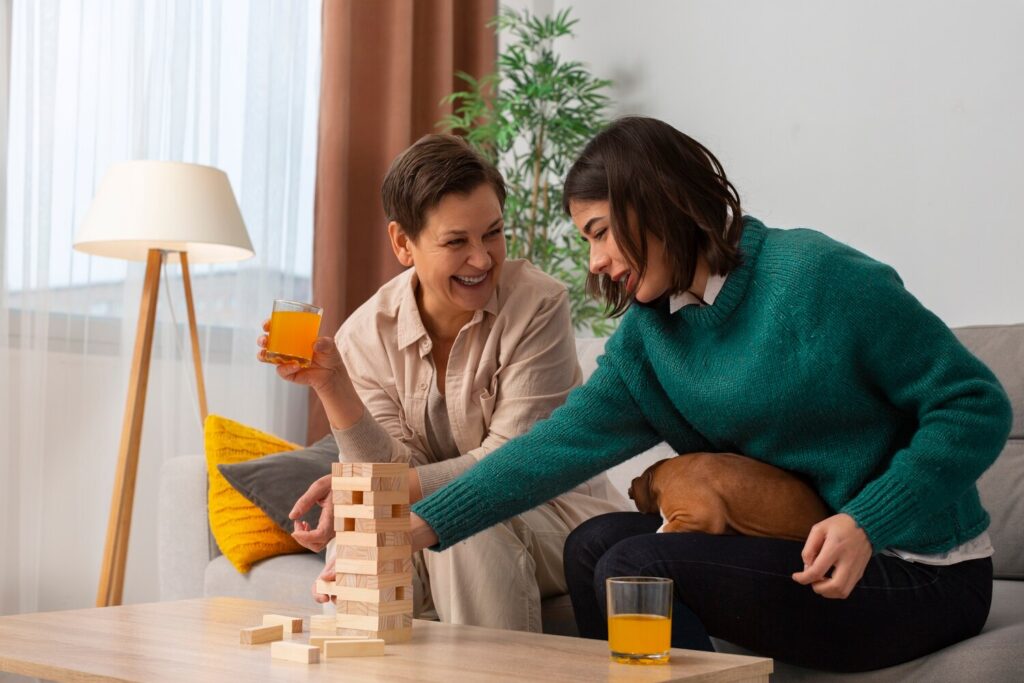
Hobbies can play an important role in helping adults with disabilities enjoy meaningful, active and socially connected lives. The right activity can provide opportunities to develop skills, express creativity, meet people and build confidence. However, some individuals may need additional assistance to access hobbies safely and comfortably.
supported hobbies for disabled adults are activities where a person receives appropriate assistance based on their individual abilities, preferences and goals. Support might involve transportation, communication assistance, encouragement, supervision, physical assistance or help participating in a community activity.
Nurtcare.com provides personalised disability support designed to help individuals participate more confidently in daily and community life. Its services include community access, social support and recreational and lifestyle support tailored around individual needs.
Why Hobbies Matter for Adults With Disabilities
Hobbies are more than just a way to pass the time. They can contribute to independence, confidence, emotional wellbeing and social participation.
The NDIS recognises social and recreational activities as an important part of everyday life. Examples include sports, visiting community places, yoga, meditation, art classes, dance and other activities that help people connect with others and develop skills.
Regular participation can also help individuals establish routines and discover activities they genuinely enjoy. For some people, hobbies may become an opportunity to develop practical skills that support greater independence.
Examples of Supported Hobbies for Disabled Adults
The best hobby depends on an individual’s interests, abilities and support requirements. Some popular options include:
Art and Craft Activities
Painting, drawing, pottery, knitting, woodworking and craft projects can encourage creativity and concentration. Activities can often be adapted using accessible equipment or simplified techniques.
A support worker may assist with preparing materials, transportation, positioning or other practical requirements while allowing the individual to take the lead.
Music and Singing
Listening to music, playing an instrument, singing and participating in music groups can be enjoyable ways to express emotions and connect socially.
Music-based activities can be adapted according to physical, communication or sensory requirements, making them suitable for a wide range of interests and abilities.
Gardening
Gardening can provide an opportunity to spend time outdoors while developing practical skills. Container gardening, indoor plants and raised garden beds can make the activity more accessible.
With suitable assistance, participants can choose plants, prepare soil, water plants and maintain their garden.
Sports and Physical Activities
Adaptive sports, swimming, walking groups, cycling and other physical activities can encourage movement and community participation. The NDIS identifies active hobbies and sports among examples of social and recreational activities.
The level of assistance should be based on individual abilities, safety considerations and professional advice where appropriate.
Cooking and Baking
Cooking can be both enjoyable and educational. Simple recipes can help individuals practise planning, measuring, following instructions and kitchen routines.
Support can be provided with preparation, safety and equipment while encouraging the participant to complete as many tasks independently as possible.
Community Outings
Visiting museums, libraries, cinemas, cafés, parks, markets or community events can turn everyday outings into enjoyable hobbies. For individuals who experience barriers to community participation, appropriate support can make these experiences more accessible.
Nurtcare.com offers community access and social support designed to help people remain connected and participate in activities outside the home.
How Support Can Make Hobbies More Accessible
A hobby does not necessarily need to be changed completely to accommodate a disability. Often, the right support, equipment or environment can make participation easier.
For example, a person attending an art class may need transportation and assistance with setting up materials. Someone joining a community sports activity may need support getting to the venue or communicating with other participants.
Assistive technology can also help people perform activities more independently. The NDIS explains that assistive technology can help people complete activities they otherwise may not be able to do and can support safer, more independent participation.
The goal should be to provide the appropriate level of assistance while respecting the individual’s choices and encouraging independence.
Choosing the Right Hobby
When selecting a hobby, consider the person’s:
- Interests and personal preferences
- Physical and cognitive abilities
- Communication needs
- Sensory preferences
- Support requirements
- Accessibility of the venue
- Transportation options
- Budget and available resources
- Personal goals
Most importantly, the individual should have a meaningful role in choosing the activity. A person is more likely to enjoy and continue a hobby when it reflects their interests rather than someone else’s expectations.
How Nurtcare.com Can Help
Nurtcare.com focuses on personalised disability support that promotes independence, confidence and meaningful participation. Its recreational and lifestyle support can help individuals participate in activities that fit their needs and preferences.
The organisation also provides community access and social support, transport to activities and appointments, capacity-building support and personalised care plans.
For individuals and families, this personalised approach can make it easier to identify suitable activities and overcome practical barriers to participation.
Conclusion
Finding supported hobbies for disabled adults can open opportunities for creativity, social connection, skill development and greater independence. From art and gardening to sports, cooking and community outings, there are many activities that can be adapted around individual needs.
The most effective approach is person-centred: listen to the individual’s interests, understand their support requirements and provide assistance that encourages participation without unnecessarily taking away independence.
With personalised disability support from Nurtcare.com, individuals can receive practical assistance to participate more confidently in meaningful recreational and community activities.
FAQs
1. What are supported hobbies for disabled adults?
Supported hobbies are recreational activities where a person receives appropriate assistance because of their disability. Support may include transportation, supervision, communication assistance, physical assistance or help accessing the community.
2. What hobbies are suitable for adults with disabilities?
Suitable hobbies vary from person to person. Options can include art, music, gardening, cooking, adaptive sports, swimming, photography, crafts, gaming, community outings and social groups.
3. Can a support worker help someone attend a hobby?
Yes. Depending on the person’s needs and funding arrangements, support may help them access community activities and participate more independently. NDIS guidance recognises that people may require extra support to participate in social and recreational activities because of their disability.
4. How do I choose the right hobby for a disabled adult?
Start with the individual’s interests, abilities, goals and preferred level of social interaction. Accessibility, transportation, safety and required support should also be considered.
5. Can hobbies help build independence?
Yes. Activities such as cooking, gardening, crafts and community participation can provide opportunities to practise practical, social and decision-making skills. NDIS supports can assist people in building skills and independence.
6. Can Nurtcare.com provide recreational support?
Nurtcare.com offers recreational and lifestyle support, along with community access and social support, as part of its personalised disability support services.
