
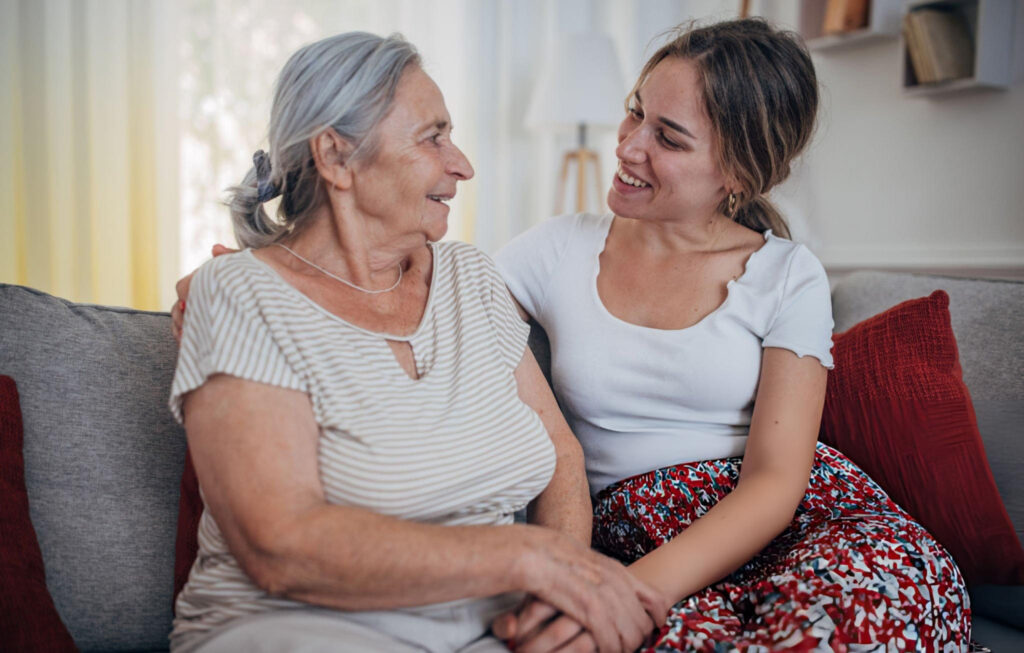
Living a fulfilling life means having the freedom to participate in activities that bring happiness, build confidence, and encourage independence. For people with disabilities, accessing suitable support can make everyday experiences more enjoyable and meaningful. lifestyle participation support helps individuals engage in social, recreational, and community activities while developing essential life skills and maintaining personal choice.
Nurtcare.com recognises the importance of personalised support that helps individuals work towards their goals, explore their interests, and participate more actively in everyday life. With the right assistance, people can build stronger connections, discover new opportunities, and develop greater confidence in their abilities.
What Is Lifestyle Participation Support?
Lifestyle participation support involves assisting people with disabilities to take part in activities that match their interests, preferences, and personal goals. These activities may include attending community events, participating in hobbies, learning practical skills, visiting local attractions, or connecting with other people.
The purpose is not simply to provide assistance but to encourage meaningful participation and greater independence. Support should respect each person’s choices, abilities, cultural background, and preferred lifestyle.
Depending on individual needs, lifestyle participation support may include help with planning activities, accessing community facilities, developing social skills, or managing everyday routines. The level of assistance can vary from person to person, making personalised planning an important part of effective support.
Benefits of Lifestyle Participation Support
The right support can positively influence several aspects of everyday living. Although individual outcomes vary, participation opportunities can help people develop skills, confidence, and social connections.
1. Promoting Independence
Independence looks different for everyone. For some individuals, it may mean learning to use public transport, while others may want to make their own activity plans or manage everyday tasks with less assistance.
Lifestyle participation support can encourage people to make decisions, practise new skills, and take greater control of their routines. Gradual progress helps individuals work towards realistic goals at their own pace.
2. Building Social Connections
Social interaction is an important part of community life. Participating in group activities, clubs, workshops, and local events can create opportunities to meet new people and develop friendships.
With appropriate support, individuals can explore social settings that match their interests and comfort levels. These experiences may help reduce feelings of isolation and encourage a stronger sense of belonging.
3. Encouraging Personal Interests and Hobbies
Everyone deserves opportunities to enjoy activities they find meaningful. Art, music, gardening, sports, cooking, and other hobbies can provide enjoyment while helping individuals explore their abilities.
Lifestyle participation support can help identify suitable activities, arrange access, and provide assistance where required. The goal is to make participation more accessible without taking away the individual’s freedom to choose.
4. Developing Everyday Skills
Community participation can offer practical opportunities to learn and practise useful life skills. These may include budgeting, shopping, communication, planning journeys, preparing simple meals, and managing schedules.
Developing these abilities can help individuals feel more confident when navigating everyday situations. Support workers can provide guidance while encouraging people to complete tasks as independently as possible.
Choosing the Right Lifestyle Participation Support
Finding suitable support starts with understanding the individual’s needs and aspirations. A personalised approach ensures that activities are relevant, achievable, and enjoyable.
Consider the following factors when exploring support options:
- Personal goals: Identify the activities and skills the individual wants to explore.
- Individual preferences: Consider hobbies, routines, cultural needs, and preferred environments.
- Accessibility: Check whether venues, transport options, and activities meet mobility and other accessibility requirements.
- Qualified support: Ask about staff experience, training, safeguarding procedures, and communication practices.
- Flexibility: Look for support arrangements that can adapt as interests and goals change.
- Progress reviews: Regularly discuss what is working well and whether adjustments are needed.
Open communication between the individual, their family or chosen supporters, and the service provider can help create a positive and respectful experience.
Lifestyle Participation Support in the NDIS
In Australia, some people with disabilities may be eligible for National Disability Insurance Scheme (NDIS) funding for supports that help them participate in community and social activities.
Depending on a participant’s approved plan, needs, and applicable funding rules, support may assist with accessing community events, recreational activities, social groups, or skill-building opportunities.
Not every activity or expense is automatically covered by the NDIS. Eligibility depends on the participant’s circumstances, the type of support, and current NDIS requirements. Individuals should review their plan and confirm funding arrangements with their support coordinator, plan manager, or the relevant NDIS contact where appropriate.
Understanding these requirements can help participants make informed decisions and choose support that aligns with their goals.
How Nurtcare.com Can Support Meaningful Participation
Finding support that respects personal preferences is an important step towards a more fulfilling lifestyle. Nurtcare.com can be explored as a starting point for understanding disability support options and identifying services that may align with individual needs.
When considering a provider, individuals and families should discuss their preferred activities, required assistance, accessibility needs, and long-term goals. It is also useful to ask how support plans are developed, how personal choices are respected, and how progress is reviewed.
The most effective approach focuses on the person rather than their disability. By encouraging choice, independence, and community involvement, lifestyle participation support can help individuals pursue activities that matter to them.
Conclusion
Lifestyle participation support can help people with disabilities access meaningful activities, develop everyday skills, strengthen social connections, and work towards greater independence. A personalised approach ensures that support reflects each individual’s interests, abilities, and aspirations.
Whether someone wants to explore a new hobby, become more involved in the community, or build confidence with daily activities, the right support can make participation more accessible. Nurtcare.com is a useful starting point for exploring disability support options and considering how personalised assistance may contribute to a more active and fulfilling lifestyle.
Frequently Asked Questions (FAQs)
1. What does lifestyle participation support mean?
Lifestyle participation support helps people with disabilities participate in social, recreational, and community activities while developing skills, confidence, and independence according to their personal goals.
2. Who can benefit from lifestyle participation support?
People with disabilities who want assistance accessing community activities, pursuing hobbies, building social connections, or developing everyday skills may benefit from suitable participation support.
3. Can lifestyle participation support help improve independence?
Yes. Depending on individual needs, support can help people practise everyday tasks, make decisions, build confidence, and develop skills that encourage greater independence over time.
4. Does the NDIS cover lifestyle participation support?
The NDIS may fund eligible participation-related supports when they meet the participant’s plan requirements and applicable funding rules. Coverage depends on individual circumstances and the type of support requested.
5. How do I choose a lifestyle participation support provider?
Consider the provider’s experience, staff training, accessibility arrangements, safeguarding practices, flexibility, and ability to develop support around your goals and preferences.
6. How can I explore lifestyle participation support with Nurtcare.com?
You can explore Nurtcare.com to learn more about disability support options and discuss your individual needs, preferred activities, and goals when enquiring about suitable services.
