
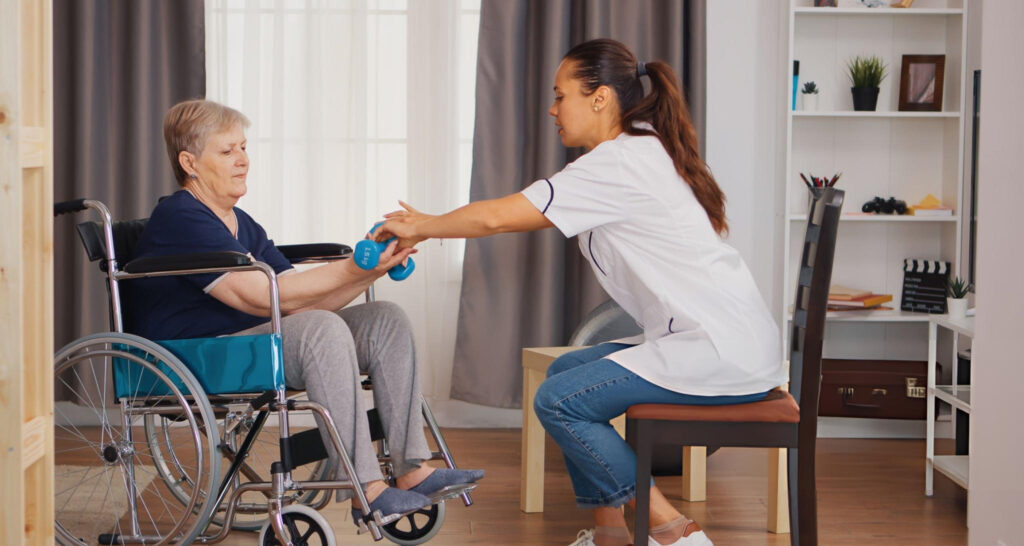
Recreation plays an important role in improving quality of life, building confidence, and encouraging social connections. For people living with disabilities, participating in recreational activities can provide opportunities to develop new skills, explore personal interests, and enjoy greater independence. disability recreation assistance helps individuals access meaningful leisure experiences in a supportive and inclusive environment.
Nurtcare.com recognises the importance of person-centred disability support that encourages individuals to participate in activities suited to their needs, abilities, and preferences. With appropriate assistance, people with disabilities can explore hobbies, enjoy community events, build friendships, and develop valuable everyday skills.
What Is Disability Recreation Assistance?
Disability recreation assistance involves supporting people with disabilities to participate in recreational, social, cultural, and community-based activities. Depending on individual needs, this assistance may include planning outings, accessing local facilities, participating in group activities, and receiving support during leisure experiences.
Activities can include visiting parks, attending community events, participating in arts and crafts, enjoying music, swimming, playing sports, or exploring personal hobbies. The type of support provided should reflect the individual’s interests, accessibility requirements, goals, and preferred level of independence.
The primary aim is to make recreation more accessible while respecting personal choices and encouraging active participation in everyday life.
Benefits of Disability Recreation Assistance
1. Encourages Social Connections
Social interaction can help individuals develop friendships, improve communication skills, and feel more connected to their communities. Disability recreation assistance can make it easier to attend social gatherings, join community groups, and participate in shared activities.
These experiences may also help reduce feelings of isolation by creating opportunities for regular interaction with others.
2. Builds Confidence and Independence
Participating in recreational activities allows individuals to practise decision-making, explore new environments, and develop practical skills. For example, planning an outing, choosing an activity, or learning a new hobby can encourage greater confidence.
With appropriate support, participants can gradually take more responsibility for their choices and become more comfortable engaging in community life.
3. Supports Physical and Emotional Wellbeing
Accessible recreational activities can encourage movement, creativity, relaxation, and enjoyment. Activities such as walking, adaptive sports, gardening, dancing, and swimming may support physical wellbeing when appropriate for the individual’s abilities and health needs.
Creative and leisure activities can also provide opportunities for self-expression, stress relief, and emotional enjoyment.
4. Promotes Community Participation
Community participation helps people develop a sense of belonging. Disability recreation assistance can support access to libraries, museums, local events, sports facilities, community centres, and other inclusive spaces.
When activities are selected according to personal interests and accessibility needs, individuals can enjoy more meaningful experiences within their local communities.
Types of Recreational Activities for People with Disabilities
Disability recreation assistance can cover a wide range of activities, depending on individual preferences and available support.
- Outdoor activities: Visiting parks, nature walks, gardening, and accessible outdoor adventures.
- Creative activities: Painting, drawing, photography, music, and craft workshops.
- Sports and fitness: Adaptive sports, swimming, gentle exercise, and suitable fitness programs.
- Social activities: Community gatherings, group outings, clubs, and social events.
- Educational recreation: Cooking classes, hobby workshops, and activities that develop practical life skills.
- Cultural experiences: Visiting museums, attending performances, and participating in local cultural events.
A flexible approach ensures that recreational opportunities remain enjoyable, accessible, and relevant to each participant’s goals.
How to Choose the Right Disability Recreation Assistance
Choosing appropriate disability recreation assistance begins with understanding the individual’s preferences and support requirements. Families, carers, and participants can consider several important factors before selecting a service.
First, identify activities the individual enjoys or wants to explore. Their choices should guide the planning process rather than relying on assumptions about what people with disabilities can or should do.
Second, consider accessibility requirements, transportation, communication preferences, sensory needs, and any assistance required during the activity. These considerations can help make participation safer and more comfortable.
Third, ask about staff experience, support arrangements, safeguarding practices, and how activities are adapted to individual needs. Clear communication between participants, families, and providers can help establish realistic expectations.
Finally, review the experience regularly. Preferences and goals may change over time, so recreational support should remain flexible and responsive.
Disability Recreation Assistance and the NDIS
In Australia, some recreational activities and related support may be funded through the National Disability Insurance Scheme (NDIS), depending on the participant’s plan, disability-related support needs, and applicable funding rules.
Eligibility and funding depend on individual circumstances. Not every recreational expense or community activity is automatically covered by the NDIS. Participants should review their plan and confirm whether the proposed support is an eligible disability-related expense.
A suitable support provider can help participants understand available service options and plan activities around their individual goals. It is important to confirm service details, costs, responsibilities, and funding arrangements before making commitments.
How Nurtcare.com Can Support Inclusive Recreation
Finding suitable opportunities for recreation can be challenging when accessibility, transportation, communication, or individual support needs must be considered. Nurtcare.com is a relevant starting point for people and families exploring disability support options.
When considering disability recreation assistance, participants should look for support that respects their preferences, promotes dignity, and encourages meaningful community involvement. Individual goals may include developing social skills, exploring new hobbies, increasing independence, or enjoying more regular outings.
Before choosing a provider, contact Nurtcare.com to discuss its available services, geographic coverage, support arrangements, and suitability for your requirements. Confirm which activities can be supported and whether any relevant funding conditions apply.
The right approach to recreational support focuses on personal choice, inclusion, and opportunities to participate in activities that make everyday life more rewarding.
Conclusion
Disability recreation assistance can help people with disabilities enjoy meaningful leisure activities, strengthen social relationships, build confidence, and participate more fully in their communities. From creative hobbies and outdoor experiences to social gatherings and adaptive sports, the right support can make recreational opportunities more accessible.
By prioritising individual preferences, accessibility, and independence, participants and families can make informed decisions about suitable support. Nurtcare.com can be considered when exploring disability support options that may help individuals work towards their personal recreation and community participation goals.
Frequently Asked Questions (FAQs)
1. What is disability recreation assistance?
Disability recreation assistance is support that helps people with disabilities participate in leisure, social, cultural, and community activities according to their interests, abilities, and individual support requirements.
2. What activities are included in disability recreation assistance?
Activities may include arts and crafts, swimming, adaptive sports, community outings, visiting parks, attending events, joining social groups, and participating in hobbies or educational workshops.
3. What are the benefits of disability recreation assistance?
Potential benefits include stronger social connections, improved confidence, greater independence, opportunities for skill development, and increased participation in community life.
4. Can NDIS funding cover disability recreation assistance?
Some disability-related recreational support may be funded through the NDIS if it meets the applicable funding rules and the participant’s individual plan requirements. Participants should confirm eligibility before arranging services.
5. How do I choose a disability recreation assistance provider?
Look for a provider that understands individual needs, respects personal choices, considers accessibility requirements, communicates clearly, and explains its services, costs, staff arrangements, and safeguarding practices.
6. Is disability recreation assistance suitable for different support needs?
Recreational support can be adapted to different abilities and support requirements. The appropriate arrangements depend on the person’s goals, accessibility needs, communication preferences, and the provider’s capacity to deliver suitable assistance.
7. How can I explore disability recreation assistance through Nurtcare.com?
Contact Nurtcare.com to ask about available disability support services, supported activities, service locations, individual assistance options, and relevant NDIS funding considerations.
