
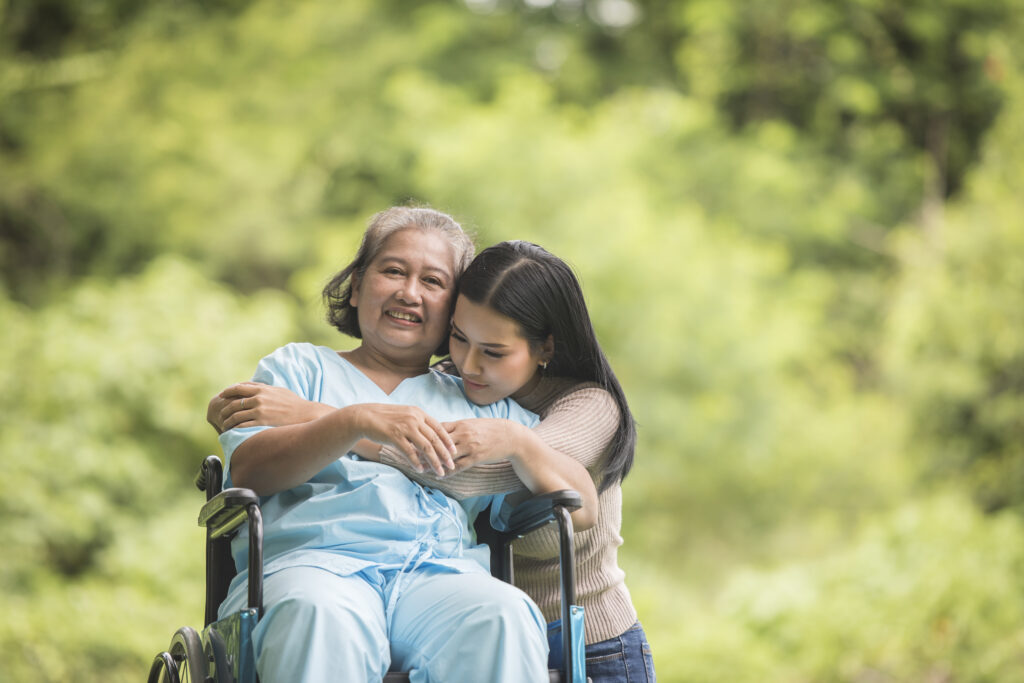
Recreational activities play an important role in helping people with disabilities enjoy life, build relationships, and participate in their communities. recreational outings for NDIS participants provide opportunities to explore new places, develop practical skills, meet new people, and enjoy meaningful experiences with appropriate support.
For individuals living with disabilities, taking part in community activities can sometimes require additional assistance with transport, communication, accessibility, or personal care. Nurtcare.com recognises the importance of creating opportunities for greater independence, social connection, and community participation through personalised disability support.
Why Are Recreational Outings Important for NDIS Participants?
Recreational outings offer more than entertainment. They can help participants discover their interests, develop confidence, and become more comfortable participating in everyday community life. Australian Government research also highlights the value of social participation in building connections, confidence, and a sense of belonging.
NDIS
+1
Some key benefits include:
- Social connections: Participants can meet new people, spend time with friends, and develop meaningful relationships.
- Greater independence: Regular outings can help individuals practise decision-making, planning, and everyday life skills.
- Personal development: Trying new activities encourages participants to explore hobbies and discover their abilities.
- Community inclusion: Accessible recreational experiences help participants engage with local events, facilities, and community groups.
- Enjoyment and wellbeing: Taking part in favourite activities can add variety, enjoyment, and purpose to everyday routines.
The right recreational experience depends on each person’s preferences, abilities, support requirements, and individual goals.
Popular Recreational Outings for NDIS Participants
There are many ways to make leisure time enjoyable and accessible. Choosing activities that reflect a participant’s interests can encourage regular participation and a stronger sense of ownership over their experiences.
1. Outdoor Activities and Nature Visits
Parks, botanical gardens, accessible walking paths, and peaceful picnic areas can provide opportunities to enjoy nature and spend time outside. These activities may also encourage gentle physical movement and relaxation.
When planning outdoor outings, consider accessible pathways, seating, shade, accessible toilets, weather conditions, and the participant’s mobility requirements.
2. Shopping and Community Visits
Visiting shopping centres, local markets, libraries, and community spaces can help participants practise everyday skills in real-world environments. Activities might include choosing items, managing a shopping list, making purchases, or asking for assistance.
With suitable support, these experiences can promote confidence and independence while helping participants feel more connected to their local community.
3. Arts, Crafts, and Creative Workshops
Painting, pottery, music, photography, and craft workshops offer enjoyable ways to express creativity and learn new skills. Participants can choose individual or group activities according to their interests and comfort levels.
Accessible equipment, clear instructions, sensory considerations, and flexible participation options can make creative experiences more inclusive.
4. Sports and Recreational Games
Adapted sports, swimming, bowling, dancing, and other recreational games can offer opportunities for movement, teamwork, and social interaction. The activity should be selected according to the participant’s preferences, abilities, and any relevant safety considerations.
The emphasis should be on enjoyment, participation, and personal progress rather than competition.
5. Movies, Cafes, and Local Events
Going to the cinema, visiting a cafe, attending a local festival, or exploring a museum can make a regular day feel special. These outings also create opportunities to practise communication, make choices, and interact with other community members.
Before booking, check venue accessibility, crowd levels, available seating, transport arrangements, and any sensory requirements.
How to Choose the Right Recreational Outing
A successful outing starts with understanding what the participant wants to experience. NDIS guidance emphasises the importance of individual needs, personal goals, and the additional assistance required to participate in recreational activities.
NDIS Guidelines
+1
Consider the following factors when planning an outing:
- Personal interests: Ask the participant which activities they enjoy or would like to try.
- Accessibility: Check whether the venue and facilities meet their mobility, communication, and sensory needs.
- Individual support: Identify whether assistance with transport, personal care, communication, or navigating the venue is needed.
- Safety and comfort: Consider weather, crowds, rest breaks, medication arrangements where relevant, and emergency contacts.
- Budget: Discuss admission fees, meals, transport costs, and other expenses before finalising the plan.
- Choice and control: Give participants opportunities to make decisions, change plans, and communicate their preferences.
Planning should remain flexible. An outing does not need to be complicated to be meaningful; sometimes a short visit to a favourite local place is the most enjoyable option.
How Nurtcare.com Can Support Meaningful Community Participation
Finding suitable activities and arranging the right assistance can make recreational outings more manageable for participants and their families. Nurtcare.com can be considered when exploring disability support options that align with an individual’s interests and community participation goals.
When discussing recreational outings with a disability support provider, ask about individualised planning, accessibility requirements, available support arrangements, and opportunities to develop everyday skills.
The aim should be to help each participant take part in activities that matter to them while respecting their preferences, dignity, and independence. Support should encourage participation rather than unnecessarily limit the choices available to the individual.
Understanding NDIS Funding for Recreational Outings
The National Disability Insurance Scheme (NDIS) may fund disability-related support that helps an eligible participant access social and recreational activities when the support meets applicable funding requirements.
However, funding is not automatic for every outing. Ordinary activity expenses, such as standard entry tickets, memberships, and general equipment, are generally the participant’s responsibility. Funding decisions depend on the applicable NDIS rules, the participant’s circumstances, and their plan.
NDIS Guidelines
+1
Participants and families should review their plan, discuss the proposed support with their provider or support coordinator where applicable, and confirm which costs can be covered before making arrangements.
Conclusion
Recreational outings for NDIS participants can create valuable opportunities for enjoyment, personal growth, social interaction, and greater community involvement. From outdoor adventures and creative workshops to shopping trips and local events, the best activities are those that reflect each participant’s interests and individual support needs.
Nurtcare.com can be part of the process of exploring suitable disability support options for meaningful community participation. With thoughtful planning, accessible environments, and person-centred support, participants can enjoy experiences that encourage confidence, independence, and a stronger connection with their community.
Frequently Asked Questions (FAQs)
1. What are recreational outings for NDIS participants?
Recreational outings are leisure and community activities that participants enjoy, such as visiting parks, attending events, going shopping, joining creative workshops, or participating in sports. Some participants may need disability-related support to access these activities.
2. Can NDIS funding cover recreational outings?
The NDIS may cover eligible disability-related support needed to participate in recreational activities, provided it meets applicable funding criteria. Standard admission fees, meals, memberships, and ordinary activity expenses are generally not covered as disability supports.
3. What activities are suitable for NDIS participants?
Suitable activities depend on personal interests, accessibility requirements, abilities, and individual goals. Options may include nature visits, swimming, arts and crafts, movies, accessible sports, libraries, and community events.
4. How can recreational outings help NDIS participants?
Recreational outings can create opportunities to build social connections, practise everyday skills, explore personal interests, develop confidence, and participate more actively in community life.
5. How do I plan a safe recreational outing?
Choose an activity based on the participant’s preferences, check venue accessibility, arrange suitable transport and support, consider sensory and mobility requirements, and plan for rest breaks and unexpected changes.
6. How can Nurtcare.com help with recreational outings?
Nurtcare.com is a starting point for exploring disability support options. Contact the provider directly to confirm available services, recreational support arrangements, eligibility considerations, and how its offerings may align with individual NDIS goals.
