
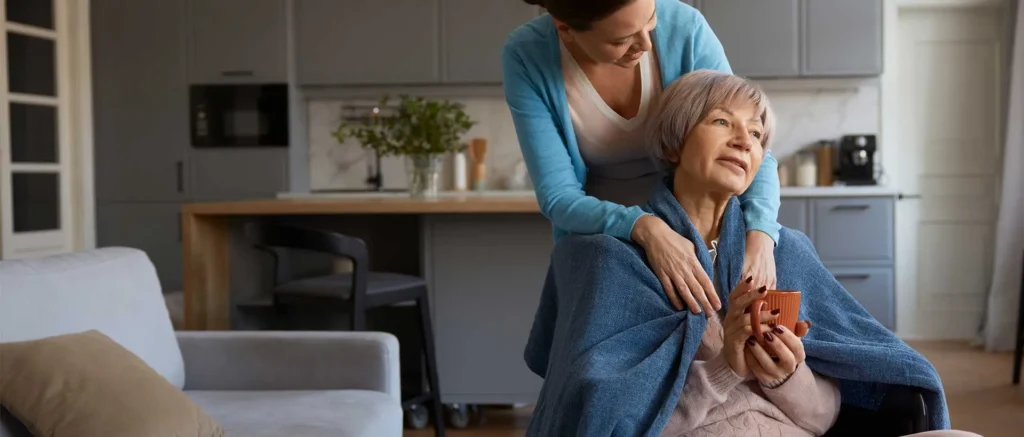
Hobbies play an important role in improving quality of life, building confidence, and creating meaningful social connections. For people living with disability, participating in enjoyable activities can provide opportunities to learn new skills, express creativity, develop friendships, and experience greater independence. disability hobby participation support helps individuals explore their interests and take part in activities that match their abilities, preferences, and personal goals.
Nurtcare.com recognises the importance of individual choice, inclusion, and meaningful participation in everyday life. With suitable support, people with disability can explore hobbies, develop new interests, and enjoy activities that bring happiness and a sense of achievement.
What Is Disability Hobby Participation Support?
Disability hobby participation support involves helping people with disability access and participate in recreational, creative, social, and leisure activities. The aim is to make hobbies more accessible while respecting each person’s interests, choices, and support requirements.
These activities may include painting, gardening, music, cooking, swimming, reading, photography, arts and crafts, or joining community groups. Some individuals may prefer quiet activities at home, while others may enjoy outdoor recreation or meeting new people.
The right support depends on individual circumstances. It may involve assistance with planning activities, accessing suitable venues, arranging transport, using adaptive equipment, or participating safely and comfortably. The focus is on enabling people to enjoy their chosen hobbies rather than deciding for them.
Benefits of Hobby Participation for People with Disability
1. Building Confidence and Self-Esteem
Learning a new skill or completing an enjoyable activity can help individuals recognise their abilities and achievements. Whether someone creates a piece of artwork, learns to cook a new meal, or develops a gardening routine, these experiences can encourage confidence.
Disability hobby participation support can help people work towards personal goals at a comfortable pace while celebrating progress and individual achievements.
2. Encouraging Social Connections
Hobbies can create natural opportunities to meet people with similar interests. Community classes, sports groups, art workshops, and social clubs can help individuals develop friendships and feel more connected to their communities.
With appropriate assistance, people who experience accessibility barriers or social anxiety may find it easier to participate in group activities and build meaningful relationships.
3. Developing Everyday Skills
Many hobbies provide opportunities to practise useful life skills. Cooking can encourage meal preparation skills, gardening can support routine building, and creative activities can develop concentration and problem-solving abilities.
Participating regularly in chosen activities may also help individuals practise decision-making, communication, time management, and planning.
4. Supporting Emotional Wellbeing
Enjoyable leisure activities can provide relaxation, creative expression, and a welcome break from everyday pressures. Music, reading, outdoor activities, and art may help individuals express themselves and find activities they look forward to.
The benefits vary from person to person, so it is important to encourage hobbies based on individual preferences rather than assuming that one activity suits everyone.
Types of Hobbies and Activities to Explore
There are many ways people with disability can participate in hobbies, depending on their interests, accessibility needs, and available resources.
- Creative activities: Painting, drawing, photography, craftwork, and music.
- Physical recreation: Adapted sports, swimming, walking, dancing, and suitable fitness activities.
- Home-based hobbies: Cooking, reading, puzzles, indoor gardening, and learning new skills.
- Community activities: Local clubs, workshops, interest groups, and inclusive community events.
- Nature-based experiences: Gardening, visiting accessible parks, birdwatching, and outdoor exploration.
- Technology-based interests: Digital art, online learning, photography editing, and accessible gaming.
The most suitable hobby is one that reflects the individual’s interests and can be adapted to their needs. Flexibility, accessibility, and personal choice should remain central to every activity.
How Disability Hobby Participation Support Promotes Independence
Independence does not always mean completing every activity without assistance. It means having opportunities to make choices, exercise control, and participate in ways that work for the individual.
Disability hobby participation support can encourage independence by helping people identify their interests, set achievable goals, organise activities, and learn new skills. Support may gradually change as confidence and abilities develop.
For example, someone interested in cooking might begin with assistance preparing ingredients before progressing to completing selected tasks more independently. A person interested in joining an art group might initially attend with a support person before deciding whether to participate more independently.
Every person’s journey is different. Support should be flexible and respectful, allowing individuals to determine what independence means to them.
Choosing the Right Disability Hobby Participation Support
When exploring support options, consider the following factors:
- Personal interests: Activities should reflect what the individual genuinely enjoys.
- Accessibility: Check whether venues, equipment, and activities meet mobility, communication, sensory, and other access requirements.
- Individual goals: Consider whether the person wants to develop skills, build friendships, explore creativity, or increase community participation.
- Appropriate assistance: Identify any help needed with transport, communication, personal support, or activity preparation.
- Safety and comfort: Consider suitable supervision, equipment, environmental requirements, and the individual’s preferences.
- Flexibility: Allow individuals to try different activities and change their choices over time.
Listening to the individual is essential throughout this process. Family members, carers, and support workers can contribute where appropriate, while keeping the person’s preferences and decisions at the centre.
How Nurtcare.com Supports Meaningful Participation
Nurtcare.com focuses on the importance of person-centred disability support and meaningful participation. When exploring disability hobby participation support, individuals and families should look for support arrangements that respect personal goals, encourage inclusion, and recognise each person’s strengths.
Suitable support may help individuals explore recreational interests, participate in community activities, develop confidence, and establish routines around the hobbies they enjoy. The exact services available, eligibility requirements, and funding arrangements should always be confirmed directly with the provider.
By prioritising individual preferences and practical accessibility, hobby participation can become a valuable part of a person’s lifestyle. The goal is not simply to fill free time but to create opportunities for enjoyment, connection, skill development, and personal growth.
Conclusion
Disability hobby participation support can help people with disability enjoy meaningful leisure activities, develop new skills, build relationships, and participate more fully in their communities. From creative hobbies and adapted sports to gardening and social groups, the possibilities are wide-ranging when activities are accessible and tailored to individual needs.
Nurtcare.com highlights the importance of person-centred support that encourages choice, inclusion, and independence. With the right approach, people with disability can explore their interests, celebrate achievements, and make hobbies a rewarding part of everyday life.
Frequently Asked Questions (FAQs)
1. What is disability hobby participation support?
Disability hobby participation support helps people with disability access and enjoy recreational, creative, social, and leisure activities based on their interests, abilities, and personal goals.
2. What hobbies can people with disability participate in?
Options include painting, music, gardening, cooking, swimming, adapted sports, photography, reading, accessible gaming, and community groups. Suitable activities depend on personal preferences and accessibility requirements.
3. How can hobby participation support improve independence?
It can help individuals practise decision-making, develop new skills, organise activities, and build confidence. Support can be adjusted to encourage greater independence where appropriate.
4. Can hobby participation support help people build friendships?
Yes. Participating in clubs, workshops, sports, and community activities can create opportunities to meet people with shared interests and develop social connections.
5. How do I choose suitable hobby activities for someone with disability?
Start by discussing the person’s interests, goals, accessibility requirements, and preferred level of assistance. Consider practical arrangements, safety, transport, and opportunities to try different activities.
6. Does Nurtcare.com provide disability hobby participation support?
Contact Nurtcare.com directly to confirm its current services, available activities, eligibility requirements, and whether support can be tailored to an individual’s recreational interests and goals.
7. Can disability hobby participation support be included in an NDIS plan?
Depending on individual circumstances and current NDIS rules, some supports related to community participation or recreational activities may be funded when they meet applicable funding criteria. Funding is not automatic, so check current requirements and discuss eligibility with the NDIS or a qualified support professional.
