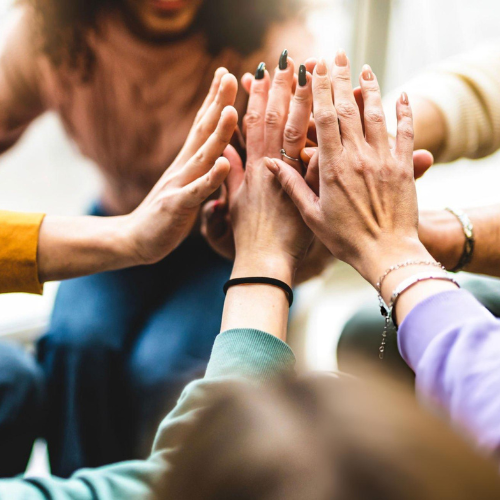
Living a fulfilling life is about more than receiving essential care. It is also about having opportunities to connect with others, develop skills, participate in meaningful activities and make personal choices. community lifestyle programs can help people with disability and other support needs become more involved in everyday community life while working toward greater confidence and independence.
For individuals and families looking for personalised support, Nurtcare.com focuses on care that recognises individual needs, preferences and goals. A well-designed community lifestyle program can encourage participation while ensuring that support remains respectful, practical and person-centred.
What Are Community Lifestyle Programs?
Community lifestyle programs are structured support programs designed to help people participate in activities and experiences within their local community. Depending on a person’s interests and goals, this may include recreational activities, social events, community groups, shopping, volunteering, educational activities, hobbies or outings.
The aim is not simply to keep someone busy. Effective programs focus on meaningful participation and helping individuals do things that matter to them.
The NDIS recognises social and community participation as an important part of helping people with disability achieve greater independence and social participation. Activities can range from meeting friends and visiting local venues to joining sporting groups, taking classes, volunteering or participating in hobbies.
Why Community Participation Matters
Regular involvement in community life can provide several meaningful benefits.
1. Encourages Social Connection
Social isolation can make everyday life more difficult. Participating in group activities or visiting familiar community spaces can create opportunities to meet people, develop friendships and strengthen existing relationships.
2. Builds Confidence
Trying new activities can help individuals become more comfortable navigating different environments. With appropriate support, a person may gradually become more confident making decisions, communicating with others and managing everyday situations.
3. Develops Practical Skills
Community activities can provide opportunities to practise skills in real-life settings. These might include communication, planning, money management, using public transport, shopping or following a routine.
4. Supports Independence
The ultimate goal of many support programs is to help individuals exercise greater choice and control over their lives. Support should encourage independence rather than unnecessarily taking over tasks a person can learn to manage themselves.
5. Promotes Wellbeing
Meaningful social and recreational activities can contribute to a person’s overall wellbeing. Having regular opportunities to pursue interests and connect with others can make everyday routines more enjoyable and purposeful.
What Can Community Lifestyle Programs Include?
Every person has different interests, abilities and support requirements. Therefore, there is no single model that works for everyone.
Depending on individual goals, community lifestyle programs may include:
- Community outings and local activities
- Arts, crafts and creative activities
- Sports and recreational activities
- Social groups and community events
- Shopping and everyday errands
- Cooking and practical life-skills activities
- Volunteering opportunities
- Educational or skill-development activities
- Visits to libraries, parks, cafés and other community spaces
- Support with developing social and communication skills
The NDIS advises that participation supports should be connected to a person’s needs and goals. Planning should consider what the individual enjoys, what they want to achieve and what assistance may help them participate.
Choosing the Right Community Lifestyle Program
A suitable program should begin with the individual rather than the activity. Before choosing a service, families and participants should consider personal interests, communication preferences, support requirements, accessibility and desired outcomes.
It can also be useful to discuss how progress will be monitored. A good support approach should provide opportunities for participants to develop skills and confidence while respecting their choices.
Nurtcare.com takes a person-centred approach to support, making it important to consider the individual’s lifestyle, goals and preferences when developing meaningful community participation opportunities.
How Nurtcare.com Can Support Community Participation
For people who need additional assistance to participate in community activities, Nurtcare.com can be considered as part of a broader support strategy. The right support can help individuals access activities that may otherwise be difficult to manage independently.
Professional support may involve assistance with planning outings, navigating community environments, communicating with others or participating in activities safely and confidently.
Importantly, community support should complement a person’s existing abilities. The focus should be on enabling participation and building capacity rather than creating unnecessary dependence.
Creating More Meaningful Everyday Experiences
A successful community lifestyle program is not measured only by the number of activities completed. Meaningful outcomes may include increased confidence, stronger relationships, improved practical skills and greater participation in everyday community life.
The NDIS also highlights the importance of helping people connect with community and mainstream supports according to their individual needs.
For participants and families, the best approach is therefore one that combines personal choice, appropriate assistance, safety and realistic goals.
FAQs About Community Lifestyle Programs
What are community lifestyle programs?
Community lifestyle programs provide personalised support that helps individuals participate in social, recreational, educational and everyday community activities according to their interests and goals.
Who can benefit from community lifestyle programs?
People with disability or other support needs may benefit, particularly those who require assistance to participate in community activities, develop practical skills or build social confidence.
What activities can be included?
Activities can include sports, hobbies, community events, shopping, volunteering, social groups, creative activities and practical life-skills experiences.
Can community lifestyle programs support independence?
Yes. When appropriately designed, these programs can help individuals practise everyday skills, make choices, communicate with others and become more confident participating in their communities.
Are community lifestyle programs NDIS funded?
Some disability-related supports may be funded through the NDIS when they meet the applicable requirements and relate to a participant’s plan and goals. Participants should check their individual plan and current NDIS guidance before arranging services.
Conclusion
Community lifestyle programs can play an important role in helping people build confidence, develop practical skills and remain connected with their communities. When support is personalised and goal-focused, everyday activities can become valuable opportunities for learning, social connection and greater independence.
Nurtcare.com understands the importance of person-centred support and meaningful participation. By focusing on individual preferences, abilities and goals, community-based support can help create a more connected and empowering lifestyle.