
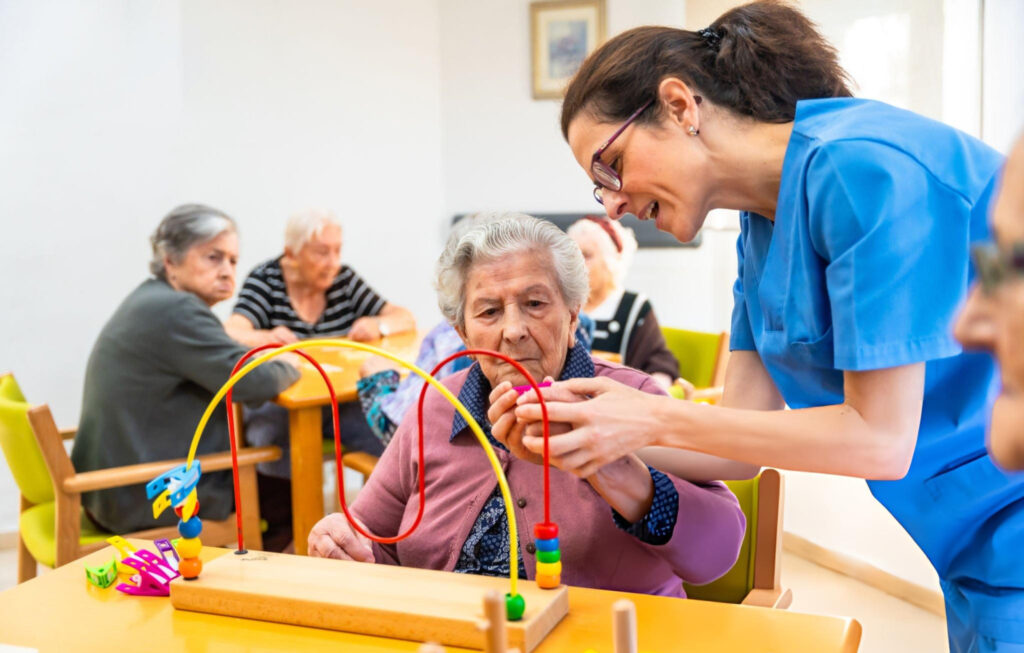
Effective communication is an essential part of everyday life. It helps people express their thoughts, understand others, develop relationships, and participate confidently in social activities. However, some individuals may find starting conversations, maintaining discussions, understanding social cues, or expressing their needs challenging. conversation skills support can help individuals develop these abilities through practical guidance, personalised activities, and consistent encouragement.
For people who need additional assistance with communication and social interaction, the right support can make everyday conversations more comfortable and meaningful. Nurtcare.com recognises the importance of person-centred support that respects individual preferences, abilities, and personal goals.
What Is Conversation Skills Support?
Conversation skills support involves helping individuals develop the communication abilities needed to interact with others in different settings. These settings may include the home, educational environments, workplaces, community activities, and social gatherings.
Support can focus on both verbal and non-verbal communication. Verbal communication includes speaking clearly, asking questions, responding appropriately, and explaining personal needs. Non-verbal communication may involve facial expressions, gestures, body language, and recognising changes in tone of voice.
The approach should be adapted to each person’s communication style, learning preferences, and support requirements. Some individuals may benefit from structured conversation exercises, while others may prefer practising communication during everyday activities.
Why Are Conversation Skills Important?
Conversation skills contribute to independence, confidence, and social participation. When individuals feel more comfortable communicating, they may find it easier to develop friendships, participate in group activities, and build positive relationships with family members, peers, and support workers.
Several important benefits include:
- Improved self-expression: Individuals can communicate their preferences, feelings, questions, and needs more effectively.
- Stronger relationships: Meaningful conversations can help people establish trust and maintain social connections.
- Greater confidence: Practising communication in supportive environments can reduce anxiety about social interactions.
- Better listening skills: Individuals can learn to pay attention, understand different perspectives, and respond thoughtfully.
- Increased independence: Communication skills can support decision-making, community participation, and everyday problem-solving.
Progress looks different for everyone. The aim is not to make every person communicate in the same way but to help them interact in ways that suit their needs and goals.
Common Challenges With Everyday Conversations
People may experience different challenges when communicating with others. Understanding these challenges can help families, carers, and support professionals provide appropriate assistance.
Starting a Conversation
Beginning a conversation can feel difficult, especially in unfamiliar environments. Individuals may be unsure what to say or how to approach someone. Practising simple greetings, introductions, and questions about shared interests can make starting conversations easier.
Maintaining a Discussion
Some people may find it challenging to keep a conversation going after the initial greeting. They may need help asking follow-up questions, introducing related topics, or recognising when another person wants to contribute.
Understanding Social Cues
Facial expressions, gestures, tone of voice, and conversational pauses can influence how messages are understood. Learning about these cues can help individuals interpret social situations more comfortably. However, social cues vary between people and cultures, so misunderstandings should be approached with patience rather than judgement.
Expressing Needs and Emotions
Communicating feelings, preferences, and boundaries is an important life skill. Individuals may benefit from practising ways to ask for assistance, explain discomfort, disagree respectfully, or request additional time to respond.
Practical Ways to Develop Conversation Skills
Developing conversation skills is often more effective when learning takes place in familiar, supportive, and low-pressure environments.
1. Practise Everyday Conversations
Regular practice can help individuals become more comfortable with common interactions. Activities such as greeting a neighbour, ordering food, talking about a favourite activity, or asking for directions provide opportunities to practise useful communication skills.
Start with manageable situations and gradually introduce new experiences according to the individual’s comfort level.
2. Use Role-Playing Activities
Role-playing allows individuals to practise conversations before encountering similar situations in real life. For example, they can rehearse introducing themselves, joining a group discussion, asking a question, or making a phone call.
Practice sessions should be encouraging rather than critical. Positive feedback can help individuals recognise their progress and identify areas where they would like more support.
3. Develop Active Listening
Good conversations involve listening as well as speaking. Individuals can practise allowing others time to finish, asking questions about what they have heard, and checking their understanding when something is unclear.
Support workers can demonstrate these behaviours during everyday interactions and encourage individuals to practise them naturally.
4. Encourage Self-Expression
Everyone should have opportunities to express their opinions, interests, preferences, and boundaries. Give individuals enough time to respond and respect different communication methods, including gestures, writing, communication boards, or assistive technology when appropriate.
The purpose of support is to make communication more accessible, not to pressure individuals into speaking when another communication method works better for them.
5. Build Skills Through Shared Activities
Cooking, playing games, visiting community spaces, pursuing hobbies, and participating in group activities can create natural opportunities for conversation. Shared experiences also provide common topics that may make interactions easier to begin and maintain.
The Role of Person-Centred Support
Person-centred support recognises that every individual has different strengths, interests, communication preferences, and goals. An effective approach begins by understanding what the person wants to achieve rather than focusing only on perceived difficulties.
Nurtcare.com can be a starting point for exploring support options relevant to individual needs. When considering any service, families and individuals should clarify the available support, staff experience, communication approaches, and how progress will be reviewed.
A personalised support plan may include identifying communication goals, selecting suitable activities, practising in different environments, and reviewing progress regularly. Where appropriate, collaboration with family members, carers, educators, or qualified speech and language professionals can help maintain consistency.
Importantly, communication differences should be respected. Some individuals communicate comfortably in certain settings but need additional time or support in others. Flexible approaches can help create a more inclusive experience.
How to Measure Progress in Conversation Skills
Progress does not always mean speaking more frequently or having longer conversations. It may involve feeling more comfortable asking for help, communicating a personal choice, participating in a group, or using an alternative communication method independently.
Useful ways to review progress include:
- Setting realistic, individual communication goals.
- Recording situations in which the person feels more confident.
- Asking for feedback from the individual receiving support.
- Identifying strategies that make conversations easier.
- Adjusting activities when they become stressful or ineffective.
Regular reviews help ensure that support remains relevant and that the individual continues working towards personally meaningful outcomes.
Conclusion
Conversation skills support can help individuals improve everyday communication, strengthen relationships, and participate more confidently in their communities. Through practical activities, active listening, role-playing, and person-centred guidance, people can develop communication strategies that suit their individual preferences and abilities.
Nurtcare.com is a resource to explore when considering suitable support options. The most helpful approach is one that prioritises dignity, patience, personal choice, and realistic goals. With consistent encouragement and appropriate support, individuals can build meaningful connections and develop greater confidence in everyday interactions.
Frequently Asked Questions
1. What is conversation skills support?
Conversation skills support helps individuals develop communication abilities, including starting conversations, listening, responding, expressing needs, and interacting with others in everyday situations.
2. Who can benefit from conversation skills support?
People who find social interactions or everyday communication challenging may benefit. The type of support should reflect each person’s communication preferences, strengths, and individual goals.
3. How can conversation skills be improved?
Conversation skills can be developed through regular practice, role-playing, active listening, shared activities, and supportive feedback. Practising in familiar environments can help build confidence gradually.
4. Can conversation skills support improve social confidence?
It may help individuals feel more comfortable in social situations by providing opportunities to practise communication and learn strategies for handling different interactions. Results vary according to individual needs and circumstances.
5. How can families support communication development?
Families can encourage conversations about familiar interests, listen patiently, allow sufficient response time, respect communication differences, and celebrate progress without creating unnecessary pressure.
6. How do I choose a conversation skills support provider?
Look for an approach that is person-centred, respectful, and adapted to individual goals. Ask about staff experience, communication strategies, available activities, progress reviews, and how the provider accommodates different communication needs.
7. How long does it take to develop better conversation skills?
The timeframe varies depending on individual goals, opportunities for practice, and the type of support provided. Progress is usually best assessed through meaningful improvements in everyday communication rather than a fixed deadline.