
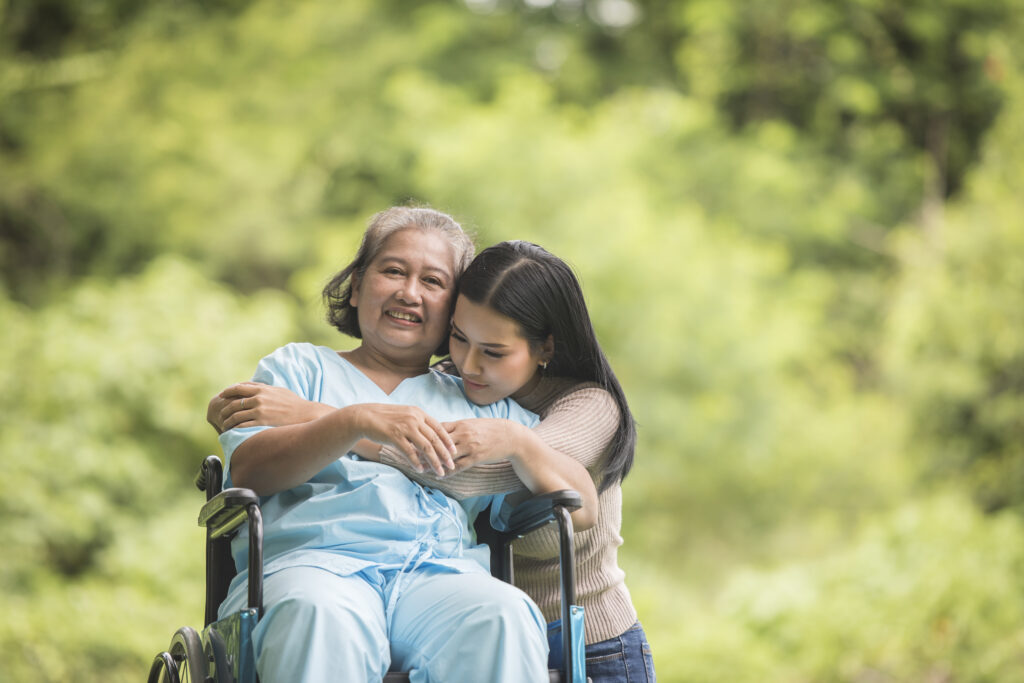
Personal grooming is an important part of everyday life. Tasks such as brushing hair, oral hygiene, shaving, skincare, dressing and maintaining general cleanliness can become challenging for people living with disability. When these activities require assistance, disability grooming support can provide practical help while respecting personal choice, dignity and independence.
At Nurtcare.com, disability support can be approached around each person’s individual needs, abilities and daily routine. The aim of appropriate grooming assistance is not simply to complete personal-care tasks, but to help individuals participate in their routines as comfortably and independently as possible.
What Is Disability Grooming Support?
Disability grooming support refers to assistance with personal grooming and hygiene tasks when a person has difficulty completing them independently because of their disability.
Depending on individual requirements, support may involve:
- Brushing and styling hair
- Shaving or other grooming routines
- Oral hygiene and teeth brushing
- Skincare and personal hygiene
- Assistance with dressing and undressing
- Nail and basic personal-care routines
- Setting up grooming equipment
- Supervision or prompting during grooming
- Supporting a person’s established morning or evening routine
The NDIS recognises grooming as part of personal care. Its guidance identifies personal care activities such as hygiene, dressing and grooming among everyday tasks that support workers may assist with, depending on a participant’s needs, goals and funding.
Why Grooming Support Matters
Grooming is closely connected with dignity, confidence, comfort and participation in everyday activities. Difficulty with personal care can sometimes make ordinary routines more complicated, particularly when a person has limited mobility, coordination difficulties or requires prompting.
Appropriate disability grooming support can make these routines more manageable while encouraging the person to remain involved in their own care.
Support may also help individuals establish consistent routines. For example, a support worker might prepare grooming items, provide verbal prompts, assist with specific steps and allow the person to complete whatever parts they can manage independently.
This approach can help focus assistance on the person’s abilities rather than unnecessarily taking over the entire task.
Personalised Grooming Support for Different Needs
Every person’s support requirements are different. Some individuals may only need occasional assistance, while others may require more regular support with several aspects of personal care.
A personalised approach can consider:
- Physical abilities and mobility
- Communication preferences
- Sensory sensitivities
- Cognitive or developmental needs
- Existing grooming routines
- Preferred products and equipment
- Cultural or personal preferences
- The level of assistance required
- The person’s goals for independence
The NDIS explains that support-worker assistance can vary according to a person’s needs, goals and the supports included in their plan.
For this reason, a good support arrangement should be flexible enough to reflect the individual’s circumstances rather than applying the same routine to everyone.
Supporting Dignity and Choice
Personal grooming can involve private and sensitive activities. Respectful support is therefore essential.
A support worker should communicate clearly, respect boundaries and encourage the individual to make choices wherever possible. Simple decisions—such as which clothing to wear, which grooming products to use or what order to follow during a routine—can help a person maintain control over their daily life.
The goal should be to provide the right level of assistance without unnecessarily reducing independence.
NDIS guidance also highlights the importance of supports that maximise independence and functional skills when personal care supports are considered.
Building Independence Through Grooming Routines
Disability grooming support does not always mean a support worker completes every task.
Where appropriate, support can involve teaching, prompting, supervision and encouragement. An individual might be able to brush their teeth independently but need assistance preparing equipment. Another person may be able to dress themselves but require help with fasteners or selecting appropriate clothing.
Over time, consistent support may help an individual develop or maintain skills needed for everyday personal care.
The NDIS also recognises that some therapy supports can help people improve skills and independence with personal-care activities such as washing and dressing.
Choosing Appropriate Disability Grooming Support
When looking for a provider, individuals and families should consider whether the service understands their specific needs and respects their preferences.
Important factors can include:
- Experience providing disability support
- Staff suitability and screening
- Respectful communication
- Flexible scheduling
- Person-centred support
- Clear service agreements
- Understanding of individual goals
- Commitment to privacy and dignity
The NDIS recommends researching providers, checking relevant information and discussing support arrangements before beginning services. It also recommends having a service agreement that explains what has been agreed between the participant and provider.
Nurtcare.com focuses on providing supportive care that can be tailored around individual circumstances, helping people manage everyday routines with appropriate assistance.
NDIS and Disability Grooming Support
Whether a particular grooming service can be funded depends on the individual’s NDIS plan, circumstances and applicable funding rules. Personal care can fall within everyday supports, but participants should confirm that the support is appropriate and consistent with their plan.
The NDIS states that core supports can help participants with everyday tasks such as personal care, while funding must be used according to applicable NDIS rules and the participant’s plan.
If someone is unsure about their available supports, they can discuss their needs with their NDIS contact, support coordinator or relevant professional.
How Nurtcare.com Can Help
Finding suitable assistance for personal grooming can make everyday routines easier for individuals and their families. Nurtcare.com can be considered when looking for personalised disability support that takes individual abilities, preferences and routines into account.
Effective support should be practical, respectful and focused on helping the person live as independently as possible.
Whether someone needs occasional prompting or more hands-on assistance, the appropriate level of disability grooming support should be determined by their individual needs and circumstances.
Conclusion
Personal grooming is more than a daily routine. It can contribute to hygiene, confidence, dignity and participation in everyday life. For people who experience difficulties with personal care because of disability, appropriate disability grooming support can make these activities more accessible and manageable.
A person-centred approach can provide assistance while still encouraging choice and independence. By understanding individual needs and selecting suitable support, families and participants can create grooming routines that are respectful, practical and comfortable.
Nurtcare.com aims to support individuals with personalised care that recognises their abilities, preferences and everyday goals.
FAQs About Disability Grooming Support
1. What does disability grooming support include?
It can include assistance with hair care, shaving, oral hygiene, skincare, dressing, personal hygiene, grooming routines, prompting and supervision, depending on individual needs.
2. Can disability grooming support help with independence?
Yes. Where appropriate, support can focus on prompting, supervision and skill development rather than completing every task for the individual. This can encourage participation and independence.
3. Is grooming included in NDIS personal care support?
Grooming is recognised as part of personal care. However, whether a particular service is funded depends on the participant’s individual circumstances, plan and applicable NDIS rules.
4. How much grooming assistance does a person need?
The level of assistance varies. Some people may need reminders or setup assistance, while others may require hands-on help with several grooming activities.
5. How can I choose a disability support provider?
Consider the provider’s experience, staff suitability, communication, flexibility, person-centred approach and understanding of your individual support requirements. Discuss expectations and services before starting.
6. Why is dignity important during grooming support?
Grooming can involve private personal-care activities. Respecting privacy, preferences, boundaries and personal choices helps ensure support is delivered in a respectful and person-centred way.
