Participating in meaningful recreational experiences is an essential part of a healthy and fulfilling life. For individuals living with disabilities, engaging in enjoyable activities can improve physical health, emotional wellbeing, social connections, and overall quality of life. Disability recreational activities are designed to be inclusive, accessible, and empowering, allowing participants to explore their interests while building confidence and independence.
As awareness of inclusive recreation continues to grow, more individuals, families, caregivers, and support providers are recognizing the importance of creating opportunities that accommodate diverse abilities. Nurtcare.com understands the value of accessible recreation and supports individuals in finding activities that align with their goals, preferences, and lifestyles.
What Are Disability Recreational Activities?
Disability recreational activities refer to leisure, social, creative, educational, and physical activities adapted to meet the needs of individuals with disabilities. These activities are designed to ensure everyone can participate safely, comfortably, and meaningfully regardless of physical, intellectual, sensory, or developmental challenges.
The primary objective is not only entertainment but also personal development, community participation, skill-building, and improved wellbeing.
Recreational activities can be tailored to suit individual capabilities while encouraging engagement and social interaction.
Benefits of Disability Recreational Activities
Improved Physical Health
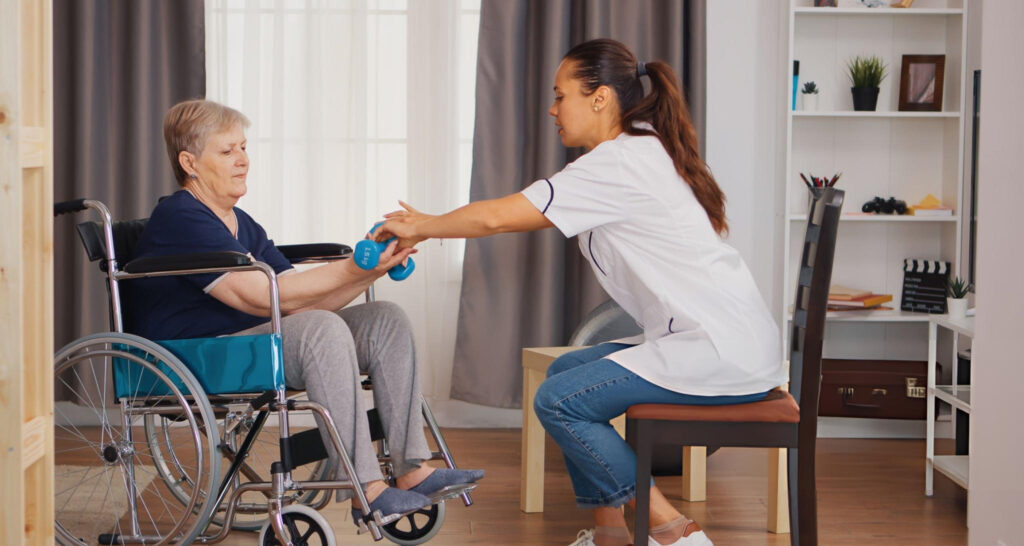
Many recreational activities involve movement and exercise, helping participants improve strength, flexibility, coordination, and overall fitness. Activities such as swimming, walking groups, adaptive sports, and yoga can contribute to better physical health while remaining enjoyable and accessible.
Enhanced Mental Wellbeing
Recreation provides a positive outlet for reducing stress, anxiety, and feelings of isolation. Participating in enjoyable activities helps boost self-esteem, encourages positive thinking, and promotes emotional resilience.
Greater Social Inclusion
One of the most valuable benefits of disability recreational activities is the opportunity to connect with others. Social interaction helps build friendships, strengthen communication skills, and foster a sense of belonging within the community.
Increased Independence
Learning new skills through recreational programs can help individuals gain confidence in their abilities. Whether participating in arts programs, educational workshops, or community events, recreation encourages personal growth and independence.
Better Quality of Life
Regular engagement in meaningful activities contributes to a balanced lifestyle. It allows individuals to pursue hobbies, discover new interests, and enjoy experiences that enrich daily life.
Popular Disability Recreational Activities
Adaptive Sports
Adaptive sports are modified to accommodate different abilities while maintaining the excitement and benefits of physical activity. Popular options include:
- Wheelchair basketball
- Adaptive cycling
- Swimming
- Tennis
- Boccia
- Lawn bowls
These sports encourage teamwork, fitness, and personal achievement.
Arts and Crafts
Creative activities provide an excellent outlet for self-expression. Participants can explore:
- Painting
- Drawing
- Pottery
- Sculpture
- Photography
- Craft workshops
Art-based recreation can improve concentration, creativity, and emotional wellbeing.
Music and Performing Arts
Music programs and performing arts activities offer enjoyable ways to develop confidence and communication skills. Examples include:
- Singing groups
- Music therapy sessions
- Dance classes
- Drama workshops
- Instrument lessons
These activities promote self-expression while encouraging social participation.
Community Events
Local community events create opportunities for individuals to engage with others in inclusive environments. Activities may include:
- Festivals
- Social gatherings
- Cultural events
- Group outings
- Volunteer programs
Community participation helps reduce isolation and strengthens social connections.
Nature and Outdoor Activities
Spending time outdoors can have significant physical and mental health benefits. Accessible recreational options include:
- Nature walks
- Gardening programs
- Fishing trips
- Accessible camping
- Wildlife experiences
Outdoor activities promote relaxation and encourage an active lifestyle.
Educational and Skill Development Programs
Learning-focused recreational activities support personal growth while remaining enjoyable. Examples include:
- Cooking classes
- Technology workshops
- Life skills programs
- Reading clubs
- Educational excursions
These experiences can improve independence and build practical skills.
Choosing the Right Recreational Activities
Selecting suitable disability recreational activities depends on several factors, including:
- Individual interests and hobbies
- Physical abilities and support needs
- Personal goals
- Accessibility requirements
- Social preferences
- Health considerations
The best recreational programs are those that align with the participant’s unique strengths, preferences, and aspirations.
The Importance of Inclusive Recreation
Inclusive recreation creates opportunities for everyone to participate equally regardless of ability. Accessible programs help break down barriers, challenge stereotypes, and promote diversity within communities.
Organizations, caregivers, support workers, and service providers all play a role in ensuring recreational opportunities remain welcoming and accessible for individuals with disabilities.
By encouraging participation and inclusion, communities can create environments where everyone has the opportunity to thrive.
How Nurtcare.com Supports Disability Recreation
Nurtcare.com recognizes that meaningful recreation contributes significantly to overall wellbeing. Through person-centered support and a commitment to inclusion, Nurtcare.com helps individuals access disability recreational activities that match their interests, abilities, and personal goals.
Whether someone wishes to explore creative pursuits, participate in community programs, enjoy outdoor experiences, or engage in adaptive sports, finding the right support can make recreation more accessible and enjoyable.
Conclusion
Disability recreational activities provide far more than entertainment. They promote physical health, emotional wellbeing, social inclusion, confidence, and independence. From adaptive sports and creative arts to outdoor adventures and community events, recreational opportunities help individuals with disabilities lead more fulfilling and connected lives.
With the right support and accessible programs, everyone can enjoy meaningful recreational experiences. Nurtcare.com remains committed to helping individuals discover activities that enhance wellbeing, encourage participation, and support a higher quality of life.
Frequently Asked Questions (FAQs)
What are disability recreational activities?
Disability recreational activities are inclusive leisure and social activities designed to accommodate individuals with disabilities while promoting participation, wellbeing, and personal development.
Why are recreational activities important for people with disabilities?
They support physical health, emotional wellbeing, social inclusion, confidence building, and overall quality of life.
What types of recreational activities are available for individuals with disabilities?
Options include adaptive sports, arts and crafts, music programs, community events, outdoor recreation, educational workshops, and skill development activities.
How do recreational activities promote independence?
By learning new skills, building confidence, and encouraging active participation, individuals can develop greater self-reliance and personal growth.
How can Nurtcare.com help individuals access recreational activities?
Nurtcare.com supports individuals in finding suitable disability recreational activities that align with their interests, abilities, and personal goals while promoting inclusion and wellbeing.