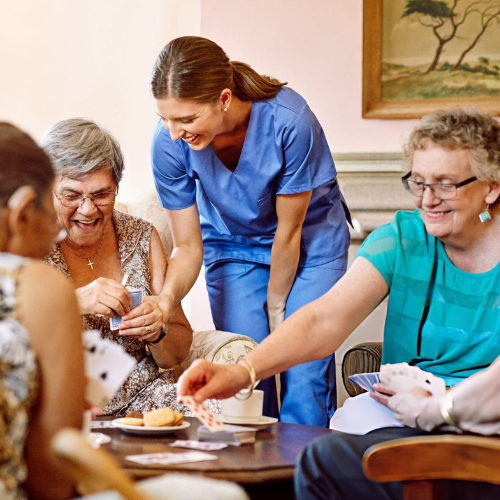
Disability social programs play a vital role in helping individuals with disabilities participate actively in their communities, build meaningful relationships, and develop essential life skills. These programs are designed to promote inclusion, independence, confidence, and overall wellbeing. Whether through community activities, group events, educational opportunities, or recreational programs, disability social programs create valuable experiences that enrich lives and strengthen social connections.
As awareness of inclusive community support continues to grow, organizations such as Nurtcare.com are helping individuals access programs that encourage engagement, personal development, and a greater sense of belonging.
What Are Disability Social Programs?
Disability social programs are structured activities and support services designed to help people with disabilities participate in social, recreational, educational, and community-based experiences. These programs focus on enhancing quality of life by reducing social isolation and encouraging meaningful interactions.
Programs may include:
- Community outings and excursions
- Social clubs and group activities
- Recreational and sports programs
- Arts and creative workshops
- Skill development sessions
- Educational activities
- Volunteer opportunities
- Cultural and community events
The primary goal is to create opportunities for individuals to connect with others while developing confidence and independence.
Why Disability Social Programs Matter
Many individuals with disabilities face barriers to social participation, including limited access to transportation, communication challenges, or a lack of inclusive opportunities. Disability social programs help remove these barriers and create supportive environments where participants can thrive.
Benefits include:
Improved Social Connections
Building friendships and maintaining social relationships contribute significantly to emotional wellbeing. Social programs provide opportunities to meet new people and develop lasting connections.
Increased Confidence
Participating in group activities encourages individuals to step outside their comfort zones, helping them gain confidence in social situations and everyday life.
Enhanced Independence
Many programs focus on life skills, decision-making, communication, and community participation, helping participants become more independent.
Better Mental Health
Regular social interaction can reduce feelings of loneliness, anxiety, and depression while promoting a positive outlook on life.
Community Inclusion
Disability social programs help individuals become active members of their communities, fostering acceptance, understanding, and inclusion.
Key Features of Effective Disability Social Programs
Not all programs offer the same level of support. High-quality disability social programs typically include several important features.
Person-Centred Approach
Every individual has unique goals, interests, and abilities. Effective programs tailor activities to meet personal needs and preferences.
Safe and Supportive Environment
Participants should feel comfortable, respected, and supported throughout every activity.
Skilled Support Staff
Qualified and experienced staff members can provide guidance, encouragement, and assistance while promoting independence.
Diverse Activity Options
A wide range of activities ensures participants can explore their interests and discover new hobbies and skills.
Accessibility and Inclusion
Programs should be designed to accommodate different abilities and ensure everyone has equal opportunities to participate.
How Disability Social Programs Promote Life Skills
Beyond social interaction, disability social programs often focus on practical skills that support daily living and personal growth.
These may include:
- Communication and conversation skills
- Money management
- Public transportation training
- Problem-solving abilities
- Teamwork and collaboration
- Time management
- Personal responsibility
- Decision-making skills
By developing these abilities, participants can become more confident and independent in various aspects of life.
The Role of Community Participation
Community participation is a key component of disability social programs. It allows individuals to engage with the wider community, access local resources, and enjoy shared experiences.
Examples include:
- Visiting parks and attractions
- Attending community events
- Participating in local clubs
- Exploring educational opportunities
- Joining fitness and wellness activities
- Volunteering within the community
These experiences help individuals develop a stronger sense of belonging while expanding their social networks.
Choosing the Right Disability Social Program
Selecting the right disability social program requires careful consideration. Families and participants should evaluate several factors before making a decision.
Important considerations include:
Individual Goals
Choose programs that align with personal interests, social goals, and developmental needs.
Support Requirements
Ensure the program can provide the appropriate level of assistance and supervision.
Program Reputation
Look for providers with positive feedback, experienced staff, and a commitment to person-centred care.
Activity Variety
Programs offering diverse activities can provide more opportunities for growth and engagement.
Accessibility
Confirm that facilities, transportation, and activities are accessible and inclusive.
Organizations such as Nurtcare.com focus on creating supportive environments where participants can enjoy meaningful experiences while working toward personal goals.
How Nurtcare.com Supports Social Inclusion
Nurtcare.com recognizes the importance of social participation in improving quality of life. Through carefully designed support services and community-focused activities, individuals can engage in experiences that foster confidence, independence, and meaningful relationships.
By promoting inclusion and encouraging active community involvement, Nurtcare.com helps participants achieve their personal goals while enjoying enriching social opportunities.
Conclusion
Disability social programs are essential for promoting inclusion, independence, and overall wellbeing. They provide opportunities for individuals with disabilities to connect with others, develop valuable life skills, and actively participate in their communities. As the demand for person-centred support continues to grow, organizations like Nurtcare.com play an important role in helping individuals access meaningful experiences that enhance their quality of life.
Choosing the right disability social program can make a significant difference in building confidence, encouraging personal growth, and creating a stronger sense of belonging within the community.
FAQs
What are disability social programs?
Disability social programs are community-based activities and support services designed to help individuals with disabilities build social connections, develop life skills, and participate in meaningful experiences.
Who can benefit from disability social programs?
Individuals with physical, intellectual, sensory, or developmental disabilities can benefit from disability social programs tailored to their needs and goals.
How do disability social programs improve wellbeing?
These programs promote social interaction, reduce isolation, increase confidence, support mental health, and encourage community participation.
What types of activities are included in disability social programs?
Activities may include social gatherings, community outings, educational workshops, recreational programs, sports, arts, and skill-building sessions.
Why is community participation important for people with disabilities?
Community participation helps individuals build relationships, gain confidence, develop independence, and feel included in society.
How can Nurtcare.com help with disability social programs?
Nurtcare.com supports individuals by providing opportunities for community engagement, social participation, skill development, and person-centred support services.