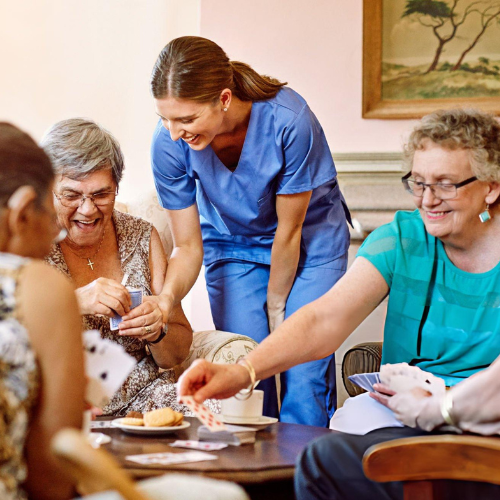
Staying socially active and connected with others is important at every stage of life. As people grow older, maintaining friendships, participating in local activities and spending time outside the home can become more challenging. This is why elderly community participation plays an important role in supporting a fulfilling and independent lifestyle.
Community participation gives older adults opportunities to meet new people, enjoy hobbies, explore their interests and remain involved in their local communities. With the right support, seniors can continue enjoying meaningful experiences while maintaining their confidence and independence. Nurtcare.com recognises the importance of personalised care and community support in helping older Australians enjoy a better quality of life.
Why Is Elderly Community Participation Important?
Social connections contribute significantly to emotional and overall wellbeing. Older adults who have opportunities to interact with others may experience a stronger sense of belonging and purpose.
Regular community involvement can provide several benefits, including:
- Reduced Social Isolation: Participating in group activities and community events creates opportunities to meet people and develop friendships.
- Improved Emotional Wellbeing: Positive social experiences can help reduce feelings of loneliness and encourage a more positive outlook.
- Greater Independence: Taking part in everyday activities helps seniors maintain confidence and practical life skills.
- Mental Stimulation: Learning new skills, playing games and participating in discussions can keep the mind engaged.
- Physical Activity: Walking groups, gardening and recreational activities encourage movement and an active lifestyle.
These benefits demonstrate why community involvement should be an important consideration when planning quality aged care support.
Different Ways Seniors Can Participate in Their Communities
Every older person has different interests, abilities and preferences. Community activities should therefore be selected according to individual comfort levels and personal goals.
Some meaningful opportunities include:
1. Social Gatherings and Community Events
Attending local gatherings, cultural celebrations and neighbourhood events allows older adults to interact with people from different backgrounds. These experiences can help build friendships and strengthen social connections.
2. Recreational and Hobby-Based Activities
Gardening, painting, music, cooking and craft sessions provide enjoyable ways to spend time. Joining hobby groups also gives seniors opportunities to share their interests and learn something new.
3. Educational and Learning Opportunities
Participating in workshops, reading groups and educational sessions can encourage lifelong learning. These activities help older adults remain mentally engaged while discovering new interests.
4. Volunteering and Community Involvement
Many seniors enjoy contributing their knowledge and experience to local initiatives. Volunteering can provide a sense of purpose and help them feel valued within their communities.
5. Outdoor Activities and Local Outings
Visiting parks, shopping centres, libraries and community facilities can encourage social interaction and provide enjoyable experiences outside the home.
How Personalised Support Encourages Community Participation
Some older adults may need additional assistance to participate in community activities. Mobility difficulties, transport limitations, health considerations or a lack of confidence can make independent outings challenging.
Personalised support can help address these barriers. Support workers may assist with planning activities, arranging suitable transport, accompanying individuals and providing practical assistance during outings.
Nurtcare.com focuses on personalised care and support that promotes independence, dignity and meaningful participation. Its community access, social support, assisted transport and recreational lifestyle services can help eligible clients remain connected with everyday community activities.
The right support should always respect an individual’s choices, routines and personal preferences.
The Role of Family Members and Support Workers
Family members and support workers play an important role in encouraging older adults to remain socially connected. Simple actions, such as planning regular outings, encouraging hobbies and helping seniors attend local events, can make a meaningful difference.
Support workers should understand each person’s interests, communication preferences and support requirements. They should encourage participation without creating pressure or taking away personal independence.
Families can also communicate with care providers to identify suitable activities and develop practical support arrangements.
Choosing the Right Community Support Services
Selecting appropriate support services is an important step towards improving an older person’s community involvement.
Consider the following factors when choosing a provider:
- Personalised Care: Support should reflect individual needs, preferences and goals.
- Experienced Support Workers: Choose professionals who understand respectful and person-centred care.
- Flexible Assistance: Services should accommodate different routines and activity preferences.
- Safety and Accessibility: Consider mobility requirements, transport arrangements and activity environments.
- Clear Communication: Families and individuals should understand the available support options.
Nurtcare.com aims to provide compassionate, individualised support that helps people maintain independence and participate more confidently in daily life.
Conclusion
Elderly community participation is about more than attending social events. It helps older adults maintain relationships, explore interests, develop confidence and experience a greater sense of belonging. With suitable activities and personalised assistance, seniors can continue enjoying meaningful connections and an active lifestyle.
Nurtcare.com understands the importance of dignity, independence and individual choice when delivering care and support. Encouraging community involvement can help older Australians enjoy more fulfilling everyday experiences while staying connected to the people and places that matter to them.
Frequently Asked Questions (FAQs)
1. What is elderly community participation?
Elderly community participation refers to older adults taking part in social, recreational, educational and cultural activities within their local communities. It encourages social connections, independence and overall wellbeing.
2. Why is community participation important for older adults?
It helps older adults maintain social relationships, reduce isolation, improve confidence and remain mentally and physically active through meaningful activities.
3. What activities can seniors enjoy in their communities?
Seniors can participate in gardening, walking groups, community events, art classes, volunteering, educational workshops, social gatherings and local outings.
4. How can support workers help with community participation?
Support workers can assist with activity planning, transport, companionship and practical support, making it easier for older adults to participate safely and confidently.
5. How does Nurtcare.com support elderly community participation?
Nurtcare.com provides personalised care and support services, including community access, social support, assisted transport and recreational lifestyle assistance to encourage independence and meaningful participation.
6. Can community participation help reduce loneliness in seniors?
Yes. Regular interaction with other people creates opportunities to develop friendships, maintain relationships and feel more connected to the wider community.
7. How can families encourage older adults to participate in community activities?
Families can encourage seniors to explore hobbies, attend local events, visit friends, join social groups and access suitable support services based on their interests and abilities.