
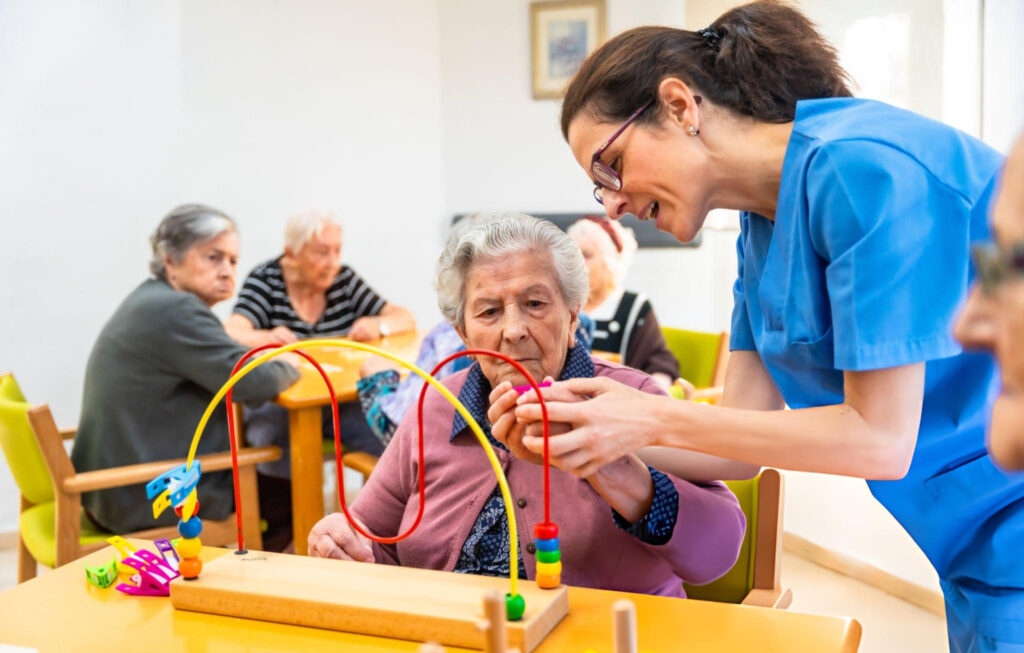
everyday skills development NDIS support helps people with disability strengthen the practical abilities they need to manage daily activities, make informed choices and participate more confidently in their communities. These skills can support greater independence at home, at work, during study and in social settings.
For NDIS participants, learning everyday skills is about more than completing routine tasks. It is about building confidence, developing personal capabilities and working towards meaningful individual goals. Nurtcare.com recognises the importance of person-centred support that considers each participant’s abilities, preferences and aspirations.
What Is Everyday Skills Development NDIS?
Everyday skills development NDIS refers to support that helps eligible participants learn, practise or maintain practical life skills related to their disability and personal goals. Depending on individual needs and the supports included in an NDIS plan, this may involve capacity-building activities, therapy or assistance with daily living.
The NDIS identifies capacity building as a way to develop skills and increase independence. Improved daily living supports may include assessments, training and therapies designed to strengthen functional abilities.
The exact support available depends on the participant’s plan, applicable NDIS funding rules and individual circumstances.
Why Is Everyday Skills Development Important?
Developing daily living skills can help participants become more confident in handling familiar situations and working towards greater independence. Progress looks different for everyone, and the right approach recognises each person’s starting point.
Key benefits may include:
- Greater independence: Learn to complete suitable daily activities with less assistance where possible.
- Improved confidence: Practise tasks in a supportive environment and build trust in personal abilities.
- Better decision-making: Develop skills for making choices, solving problems and following routines.
- Stronger social participation: Improve communication and develop confidence when interacting with others.
- Practical life management: Build skills for organising activities, managing time and completing everyday responsibilities.
Goals should be realistic, measurable and tailored to the participant rather than based on a single definition of independence.
Everyday Skills Participants Can Develop
1. Personal Care and Hygiene
Personal care skills can include establishing hygiene routines, choosing appropriate clothing and managing daily grooming. Support should respect privacy, dignity and individual preferences while encouraging participants to practise tasks at their own pace.
2. Cooking and Meal Preparation
Meal preparation can involve planning simple meals, identifying ingredients, following recipes and practising safe kitchen habits. Participants may gradually learn to complete appropriate steps independently, depending on their abilities and support needs.
3. Household Management
Household skills can include organising personal belongings, keeping living spaces tidy, sorting laundry and following cleaning routines. Breaking activities into smaller steps can make tasks easier to understand and practise consistently.
4. Communication and Social Skills
Communication skills may involve expressing preferences, asking for assistance, understanding instructions and participating in conversations. Depending on individual goals, participants may also practise setting boundaries, navigating social situations and communicating their needs.
5. Money Management and Daily Planning
Everyday life often involves organising schedules, remembering appointments, comparing purchases and understanding basic budgeting. With appropriate guidance, participants can practise these skills using calendars, checklists, visual prompts or other tools that suit their learning preferences.
6. Community Access and Transport Skills
Community-based learning may involve planning an outing, recognising familiar locations, understanding road safety or practising public transport use. The appropriate level of support depends on individual abilities, safety considerations and the participant’s goals.
How Does NDIS Support Everyday Skills Development?
NDIS support may help participants build their capabilities through different types of assistance. The most suitable option depends on the purpose of the activity and the participant’s approved funding.
Capacity building supports are intended to develop skills and increase independence. Depending on the plan, relevant supports may include occupational therapy, speech pathology or other approved services that address functional goals.
Core supports may assist participants with everyday activities, personal care or community participation when these supports are included in their plan and meet the applicable funding requirements.
It is important to distinguish between assistance with completing a task and training designed to develop the skills needed to perform that task. Both may be valuable, but their funding arrangements and purposes can differ.
Participants should review their current NDIS plan and seek clarification from their support coordinator, plan manager or the NDIA if they are unsure which funding category applies.
How to Create an Effective Skills Development Plan
A structured, participant-led approach can make everyday skills development more meaningful and easier to monitor.
Identify personal goals: Start with activities the participant wants to improve, such as preparing breakfast, managing appointments or travelling to a familiar destination.
Assess existing abilities: Identify what the participant can already do and where additional guidance may be helpful.
Break tasks into manageable steps: Teach complex activities in smaller stages, using demonstrations, written instructions or visual prompts where appropriate.
Practise consistently: Repeating activities in familiar environments can help participants develop routines and confidence.
Review progress: Record achievements, identify challenges and adjust strategies to reflect changing needs and preferences.
Family members, carers and support professionals may contribute when appropriate, while ensuring the participant remains central to decisions about their goals and support.
How Nurtcare.com Fits Into Everyday Skills Development
Nurtcare.com is the company name associated with this article’s focus on everyday skills development NDIS. When exploring support options, participants and families should look for services that understand individual goals, respect personal choice and communicate clearly about available assistance.
Before selecting a provider, ask about its experience with relevant daily living goals, staff qualifications, support planning, progress reviews and service arrangements. Confirm which services are offered and whether they align with your NDIS plan.
A suitable support approach should encourage participation rather than create unnecessary dependence. It should also recognise that progress may be gradual and that some participants will continue to need assistance with particular activities.
Conclusion
Everyday skills development NDIS support can help eligible participants work towards greater confidence, practical capability and participation in daily life. From personal care and meal preparation to communication, planning and community access, the right goals can make everyday activities more manageable and meaningful.
With individualised strategies, consistent practice and appropriate support, participants can work towards their preferred level of independence. Nurtcare.com can be considered when exploring relevant support options, with service suitability and NDIS funding eligibility confirmed before proceeding.
Frequently Asked Questions
1. What does everyday skills development NDIS mean?
It refers to support that helps eligible NDIS participants develop or maintain practical abilities for daily life, such as personal care, cooking, planning, communication and community access.
2. Who can benefit from everyday skills development?
NDIS participants who need disability-related assistance to work towards daily living goals may benefit. The type of support required depends on the person’s circumstances, functional needs and approved plan.
3. Can the NDIS fund everyday living skills training?
The NDIS may fund eligible supports that meet its funding criteria and are included in the participant’s plan. Depending on the circumstances, these may involve capacity-building services, therapy or assistance with daily living.
4. What skills can participants learn through everyday skills development?
Skills may include preparing meals, maintaining personal hygiene, organising household tasks, managing schedules, communicating needs, practising budgeting and navigating the community.
5. How long does it take to develop everyday living skills?
There is no fixed timeframe. Progress depends on the participant’s existing abilities, learning preferences, goals, consistency of practice and the complexity of the activities.
6. How can families support everyday skills development?
Families can encourage safe practice, use consistent routines, provide appropriate prompts and celebrate progress. It is important to respect the participant’s choices and allow opportunities to practise tasks at a suitable pace.
7. How do I choose an NDIS provider for skills development?
Look for relevant experience, clear communication, suitable staff qualifications, participant-centred planning and transparent service arrangements. Check that the proposed supports align with the participant’s plan and current NDIS rules.
8. Is everyday skills development the same as daily living assistance?
Not necessarily. Skills development focuses on learning, practising or maintaining abilities, while daily living assistance may involve direct help to complete routine tasks. Some support arrangements can address both needs, depending on the participant’s circumstances and funding.
