
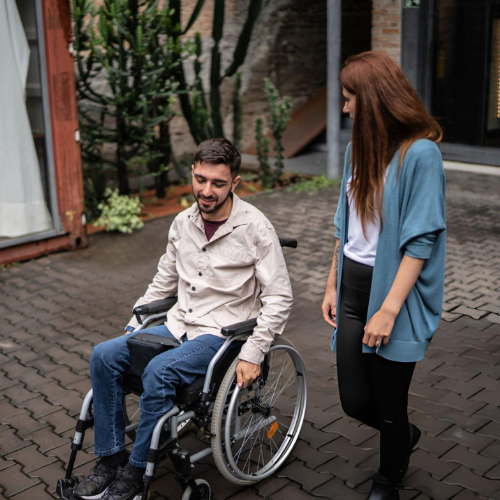
Finding the right support can make a significant difference in the daily lives of people living with disabilities. Every individual has unique goals, routines, and care requirements, which is why flexible disability support services are becoming increasingly important. Instead of following a one-size-fits-all approach, flexible support allows individuals to receive assistance that matches their lifestyle, preferences, and changing needs.
Nurtcare.com provides personalized disability support designed to help participants maintain independence, improve wellbeing, and achieve their personal goals. By offering adaptable services, experienced support professionals, and person-centred care, individuals receive the assistance they need while remaining in control of their own lives.
What Are Flexible Disability Support Services?
Flexible disability support services are personalized care solutions that can be adjusted according to an individual’s circumstances. Unlike rigid care plans, flexible services evolve with changing health conditions, personal goals, family situations, and daily routines.
These services focus on empowering participants by allowing them to choose when, where, and how they receive support.
Support may include:
- Personal care assistance
- Daily living support
- Community participation
- Household assistance
- Transport support
- Social engagement
- Skill development
- Capacity building
- Respite care
- Companion support
The primary objective is to provide meaningful assistance while encouraging independence and confidence.
Why Flexibility Matters in Disability Support
Every person’s disability journey is different. Some individuals require temporary assistance, while others benefit from long-term ongoing support. Needs may also change over time due to age, health, employment, education, or family commitments.
Flexible support offers several advantages:
Greater Independence
Participants make decisions about their own care rather than fitting into fixed schedules.
Better Quality of Life
Support can be adjusted to match personal interests, routines, and life goals.
Improved Confidence
Individuals gain opportunities to develop everyday skills and become more self-reliant.
Family Support
Families receive assistance when needed without unnecessary disruptions.
Better Continuity of Care
As circumstances change, services can easily adapt without requiring completely new support arrangements.
Services Included in Flexible Disability Support
Quality disability support covers a wide range of daily activities that improve both independence and wellbeing.
Personal Care
Support workers assist with bathing, dressing, grooming, hygiene, and mobility while maintaining dignity and privacy.
Household Assistance
Daily household tasks become easier with support for:
- Cleaning
- Laundry
- Meal preparation
- Grocery shopping
- Home organisation
Community Participation
Remaining socially connected plays a vital role in emotional wellbeing.
Support workers may assist individuals with:
- Community events
- Recreational activities
- Sporting programs
- Educational opportunities
- Volunteering
- Social outings
Transport Assistance
Reliable transport helps participants attend:
- Medical appointments
- Therapy sessions
- Work
- School
- Shopping
- Community activities
Daily Living Skills
Participants can develop practical life skills such as:
- Cooking
- Budgeting
- Communication
- Time management
- Personal organisation
- Independent travel
Person-Centred Care Makes the Difference
One of the key features of flexible disability support services is person-centred planning.
Rather than focusing solely on disability, care is built around the individual’s:
- Goals
- Strengths
- Preferences
- Interests
- Cultural background
- Lifestyle choices
This approach helps participants remain active decision-makers throughout their care journey.
Nurtcare.com focuses on building respectful relationships that encourage trust, confidence, and long-term wellbeing.
Who Can Benefit from Flexible Disability Support?
Flexible support is suitable for people living with various physical, intellectual, neurological, sensory, or psychosocial disabilities.
Support is valuable for:
- Children
- Teenagers
- Adults
- Older participants
- Individuals with complex support needs
- People transitioning into independent living
- Families requiring additional assistance
Because support plans remain adaptable, services continue meeting changing needs over time.
Choosing the Right Disability Support Provider
Selecting a reliable provider is an important decision.
Look for providers that offer:
Qualified Support Staff
Experienced professionals who understand disability care and person-centred support.
Individual Care Planning
Support tailored to each participant rather than standard packages.
Strong Communication
Regular reviews ensure support continues meeting participant goals.
Respect and Inclusion
Every participant deserves to be treated with dignity, compassion, and respect.
Flexible Scheduling
Appointments and support hours should fit individual lifestyles whenever possible.
How Flexible Services Promote Independence
Independence does not necessarily mean doing everything alone.
Instead, it means receiving the right level of support while developing the confidence to make personal decisions.
Flexible disability services encourage participants to:
- Learn new skills
- Build confidence
- Increase community involvement
- Improve social relationships
- Reach employment goals
- Pursue education
- Participate in hobbies
- Live more independently
These positive outcomes contribute to long-term wellbeing and greater life satisfaction.
The Importance of Regular Support Reviews
Needs rarely remain the same forever.
Regular reviews help ensure support plans continue matching participant goals and personal circumstances.
Adjustments may include:
- Increased support hours
- Reduced assistance as independence grows
- New community activities
- Additional skill-building opportunities
- Updated health requirements
Ongoing communication between participants, families, and support providers helps maintain high-quality care.
Why Choose Nurtcare.com?
Nurtcare.com understands that every participant deserves personalised support that respects their choices and independence.
By delivering flexible disability support services, the team focuses on:
- Individualised care planning
- Compassionate support workers
- Respectful communication
- Goal-focused assistance
- Community participation
- Daily living support
- Promoting independence
- Continuous improvement in care
The emphasis remains on helping participants achieve meaningful outcomes while maintaining control over their own lives.
Conclusion
Choosing flexible disability support services allows individuals to receive care that adapts to their changing needs instead of expecting them to fit into rigid systems. Personalised support improves independence, builds confidence, strengthens community participation, and enhances overall quality of life.
Nurtcare.com is committed to providing compassionate, person-centred disability support that empowers participants to live with greater independence, dignity, and confidence through flexible care tailored to their unique goals.
Frequently Asked Questions (FAQs)
1. What are flexible disability support services?
Flexible disability support services provide personalised assistance that can be adjusted according to an individual’s changing needs, goals, and daily routine.
2. Who can access flexible disability support services?
People living with physical, intellectual, sensory, neurological, or psychosocial disabilities may benefit from flexible support based on their individual requirements.
3. Can disability support plans change over time?
Yes. Regular reviews allow support plans to be updated as personal circumstances, health conditions, or goals change.
4. What services are commonly included?
Services often include personal care, household assistance, transport, community participation, daily living support, skill development, and companionship.
5. How do flexible disability support services promote independence?
They encourage participants to make their own choices, develop practical skills, participate in the community, and receive only the level of support they need.
6. Why is person-centred care important?
Person-centred care ensures support is based on an individual’s preferences, strengths, goals, and lifestyle, leading to better outcomes and improved quality of life.