Maintaining a healthy daily routine can be challenging for people who need additional support with everyday activities. Simple tasks such as preparing meals, staying active, following a schedule, managing personal care or getting enough sleep can become difficult without the right assistance.
healthy routine assistance focuses on providing practical, person-centred support that helps individuals establish sustainable habits while maintaining dignity, choice and independence. For people living with disability, appropriate daily support can make routines more manageable and contribute to greater confidence and participation in everyday life.
Nurtcare.com understands that every person has different abilities, preferences and goals. Effective assistance should therefore be flexible and designed around the individual’s needs rather than using a one-size-fits-all approach.
What Is Healthy Routine Assistance?
Healthy routine assistance is practical support that helps a person establish and maintain positive daily habits. Depending on individual needs, this can involve assistance with meal preparation, personal routines, movement, household tasks, appointments and community participation.
For NDIS participants, assistance with daily life may include support with everyday activities at home, including cooking, cleaning and personal care. The NDIS also recognises supports that help participants build skills and independence.
The purpose is not to take control of someone’s routine. Instead, quality support encourages participation and helps individuals do as much as they can safely and comfortably for themselves.
Why a Healthy Routine Matters
A consistent routine can provide structure and predictability throughout the day. This can make it easier to remember important activities and develop healthy habits.
A well-planned routine may include:
- Regular meal and hydration times
- Personal hygiene and self-care
- Appropriate physical activity
- Rest and sleep routines
- Medication or appointment reminders where appropriate
- Household activities
- Social and community participation
- Time for hobbies and relaxation
Australian Government guidance for people with disability highlights the importance of physical activity, reducing prolonged sedentary behaviour and maintaining consistent sleep and wake times. It also recommends starting gradually and seeking professional assistance where appropriate.
How Healthy Routine Assistance Can Support Independence
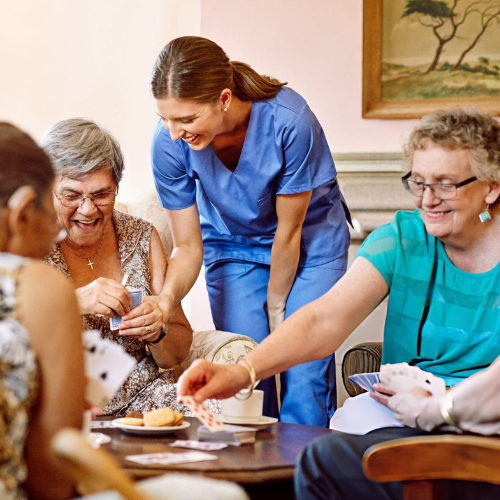
The right support should encourage independence rather than create unnecessary dependence. A support worker may assist with an activity while gradually encouraging the participant to take part in the steps they can manage.
For example, someone may initially need assistance preparing meals. Over time, they might participate in choosing ingredients, following a simple recipe, preparing ingredients or cleaning up afterwards.
This skills-focused approach can help build confidence and practical abilities. NDIS guidance similarly explains that some supports are intended to help people develop skills and independence with everyday activities.
Nutrition and Meal Preparation
Healthy eating is an important part of a balanced routine. However, shopping for ingredients, planning meals and preparing food may be difficult for some people with disability.
Healthy routine assistance can include practical support with suitable meal preparation when it aligns with a person’s needs and support plan. NDIS guidance notes that nutrition-related supports may include assistance with meal preparation where a person’s disability affects their ability to understand healthy eating or independently eat, cook or prepare meals.
Where specialised nutritional advice is required, a qualified health professional such as a dietitian should provide appropriate guidance.
Supporting Movement and Daily Activity
Physical activity does not have to mean intensive exercise. Depending on a person’s abilities and professional recommendations, movement may involve walking, stretching, functional activities or other appropriate forms of activity.
Support can help individuals incorporate movement into their everyday schedule in a safe and realistic way. Any exercise or mobility program should consider individual abilities, health needs and recommendations from appropriate professionals.
Creating a Person-Centred Routine
An effective routine starts with the individual. Nurtcare.com can approach healthy routine assistance with consideration for personal preferences, goals, abilities and existing habits.
A useful routine should be:
Practical: Activities should fit naturally into everyday life.
Flexible: Routines may need to change because of appointments, energy levels or personal circumstances.
Goal-oriented: Support should connect with meaningful personal goals.
Choice-focused: Individuals should have a say in how their support is delivered.
Safe: Activities should be appropriate to the person’s abilities and support requirements.
This person-centred approach can help make routines more sustainable over time.
Healthy Routine Assistance and NDIS Support
NDIS funding depends on individual circumstances and the specific support included in a participant’s plan. Supports generally need to meet the NDIS requirements, including being related to disability, helping with goals and being effective and beneficial.
Not every health or wellness service is automatically an NDIS-funded support. For example, clinical treatment and services that should be provided through the mainstream health system are generally outside NDIS responsibility.
Participants should review their plan and speak with their NDIS contact or relevant professionals when they are unsure whether a particular support is appropriate.
Why Choose Nurtcare.com for Routine Support?
Nurtcare.com focuses on supportive care that can help individuals manage everyday life with greater confidence. A thoughtful approach to healthy routine assistance can combine practical help with encouragement, independence and respect.
The goal is to support people in maintaining routines that are meaningful to them while recognising that everyone’s needs are different.
Conclusion
A healthy routine can provide structure, confidence and opportunities for greater independence. With appropriate assistance, everyday activities such as meal preparation, personal care, movement and community participation can become more manageable.
Healthy routine assistance should always be individualised, practical and respectful. With the right approach from a trusted support provider such as Nurtcare.com, individuals can work towards routines that support their personal goals and everyday wellbeing.
FAQs About Healthy Routine Assistance
1. What does healthy routine assistance include?
It may include practical support with daily routines, meal preparation, personal activities, movement, household tasks, appointments and community participation, depending on an individual’s needs and support plan.
2. Who can benefit from healthy routine assistance?
People with disability who require support with everyday routines may benefit. The type and level of assistance should be based on individual circumstances and goals.
3. Can healthy routine assistance help build independence?
Yes. When support is delivered appropriately, individuals can participate in everyday activities and develop practical skills rather than having tasks automatically completed for them.
4. Can meal preparation be part of routine assistance?
Meal preparation may be included where it relates to a person’s disability-related support needs and meets applicable NDIS requirements. Specialised dietary advice should come from an appropriately qualified professional.
5. Is healthy routine assistance automatically covered by the NDIS?
No. NDIS funding depends on individual eligibility, plan arrangements and whether the support meets applicable funding criteria. Participants should check their plan and discuss questions with their NDIS contact.
6. How can Nurtcare.com support a daily routine?
Nurtcare.com can provide practical, person-centred assistance designed around an individual’s everyday needs, preferences and goals, helping make healthy routines more achievable and sustainable.