
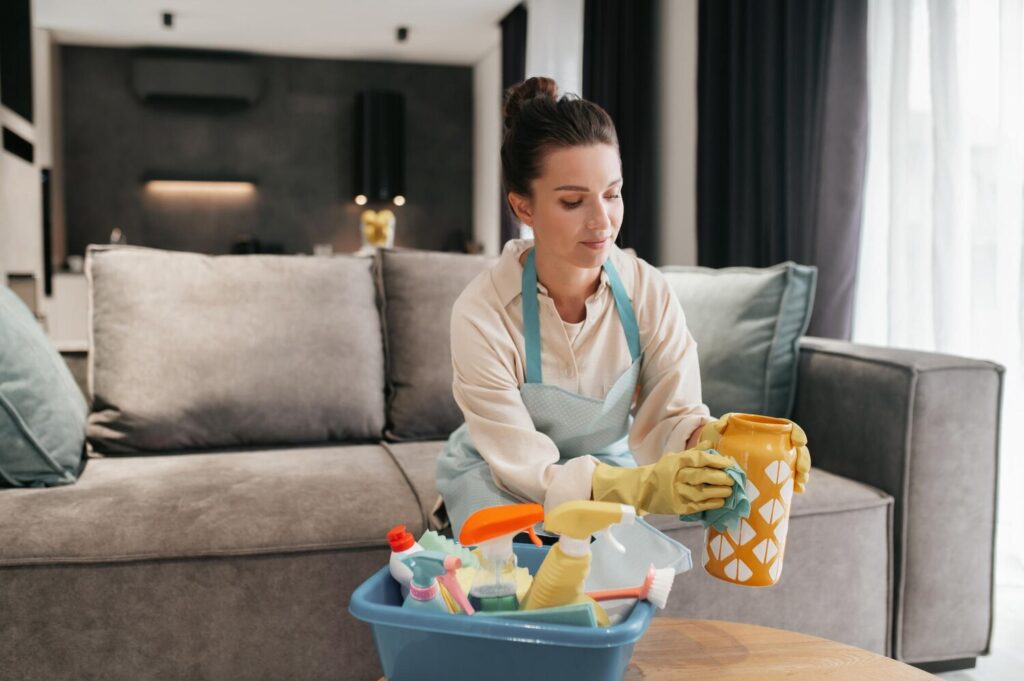
Managing everyday household responsibilities can become challenging for people living with disability. Tasks such as cleaning, laundry, meal preparation, shopping and maintaining a safe home environment may require additional support. household task assistance Queensland can provide practical help while encouraging people to maintain independence and participate in daily life.
Nurtcare.com provides disability support services designed around individual needs, goals and routines. With appropriate assistance, participants can receive help with essential household activities while maintaining greater control over how they live at home.
What Is Household Task Assistance?
Household task assistance refers to practical support with everyday activities needed to maintain a suitable home environment. Depending on an individual’s needs and NDIS plan, this can include assistance with cleaning, laundry, meal preparation, shopping and other essential household activities.
The NDIS explains that support workers may assist people with household activities such as preparing meals, cleaning the house and running errands, depending on their goals and funded supports.
The purpose is not simply to complete chores. Quality support can also help participants develop skills, establish routines and become more confident managing everyday responsibilities.
Why Household Support Matters
A well-maintained home can contribute to comfort, safety and independence. However, disability-related challenges can make routine household tasks difficult or unsafe to complete without assistance.
Professional household support may help participants:
- Maintain a cleaner and more organised home
- Manage laundry and basic household routines
- Prepare meals and organise groceries
- Complete essential shopping and errands
- Develop practical daily living skills
- Reduce the physical demands of household activities
- Build confidence and independence at home
The NDIS notes that assistance with daily life can support everyday activities such as cooking and cleaning, with the level and type of assistance depending on a participant’s needs and plan.
Household Task Assistance Queensland with Nurtcare.com
Nurtcare.com focuses on providing support that respects individual preferences and circumstances. Every participant can have different abilities, routines and goals, so household assistance should be approached on an individual basis.
Depending on approved supports and individual requirements, assistance may involve activities such as:
Cleaning and Home Organisation
Support may include everyday cleaning and maintaining commonly used areas of the home. Assistance can help participants keep their living environment comfortable and manageable.
Laundry Assistance
Laundry can involve several steps, including sorting clothes, washing, drying and folding. Support can make these activities easier while encouraging participants to participate according to their abilities.
Meal Preparation
Some participants may benefit from assistance with planning and preparing meals. Support can encourage practical skills while helping make everyday meal routines more manageable.
Shopping and Errands
Household routines can also involve purchasing groceries and completing essential errands. Depending on the participant’s approved supports and goals, assistance may help them manage these activities.
The NDIS also identifies cleaning, household chores, shopping assistance and meal preparation as examples of everyday living support options.
Supporting Independence Through Everyday Tasks
Effective disability support should consider what a person can already do rather than automatically taking over every task. A support worker may assist with a task, provide supervision or help someone learn a practical skill.
For example, a participant who can prepare part of a meal independently may only need assistance with certain steps. Similarly, someone who can manage laundry but struggles with lifting or reaching may require targeted assistance.
This approach can help make support more personalised and aligned with individual goals.
Who May Benefit from Household Task Assistance?
Household task support may be useful for people who experience disability-related difficulties with everyday activities. The appropriate level of assistance depends on individual circumstances, needs and the supports included in their NDIS plan.
People may seek assistance when they have difficulty with:
- Maintaining household routines
- Cleaning or organising their home
- Preparing meals
- Managing laundry
- Completing grocery shopping
- Performing physically demanding household activities
- Developing independent living skills
NDIS guidance states that support workers can help with daily chores and activities while supporting participants to build skills and independence.
Choosing Household Support in Queensland
When considering household task assistance Queensland, it is important to look beyond the list of services. Participants can consider whether a provider understands their individual requirements, communicates clearly and delivers support respectfully.
It can also be useful to discuss:
- The type of household assistance required
- Preferred routines and schedules
- Individual goals
- Communication preferences
- Safety considerations
- How the support aligns with the participant’s NDIS plan
The NDIS recommends that participants understand what their funding covers and choose support based on their goals and needs. Participants also have choice over who provides their support and when it is delivered.
Understanding NDIS Funding
Not every household expense is automatically funded through the NDIS. NDIS supports must meet the applicable funding requirements and relate appropriately to a participant’s disability-related needs and goals.
Participants should check their current plan and discuss questions about funding with their NDIS contact or relevant provider before arranging services.
For people in Queensland, the NDIS provides local information and partner services across metropolitan and regional areas.
Why Choose Nurtcare.com?
Nurtcare.com aims to provide practical and respectful support that recognises the individual behind every service request. Household assistance should help make everyday life more manageable while supporting dignity, choice and independence.
A personalised approach can make household routines easier to manage and help participants work towards greater confidence in their daily lives.
Conclusion
Reliable household task assistance Queensland can make everyday household responsibilities more manageable for people living with disability. From cleaning and laundry to meal preparation and shopping, the right support can contribute to a comfortable home environment while encouraging independence and practical skills.
Nurtcare.com provides support focused on individual needs, preferences and goals. Participants can explore suitable household assistance based on their circumstances and the supports available through their NDIS plan.
FAQs
1. What does household task assistance include?
It can include support with everyday household activities such as cleaning, laundry, meal preparation, shopping and maintaining the home, depending on individual needs and approved supports.
2. Who can receive household task assistance in Queensland?
People with disability may be able to access household assistance when it relates to their disability-related needs and is included or permitted under their applicable NDIS supports.
3. Can household assistance help with independence?
Yes. Support can involve completing tasks with a participant, supervising activities or helping them develop practical skills rather than simply doing everything for them.
4. Does NDIS funding cover all household expenses?
No. NDIS funding does not automatically cover ordinary living costs. Participants should check their plan and current NDIS guidance to understand which supports may be funded.
5. Why choose Nurtcare.com for household support?
Nurtcare.com focuses on personalised disability support, helping participants manage everyday activities according to their individual needs, preferences and goals.
