
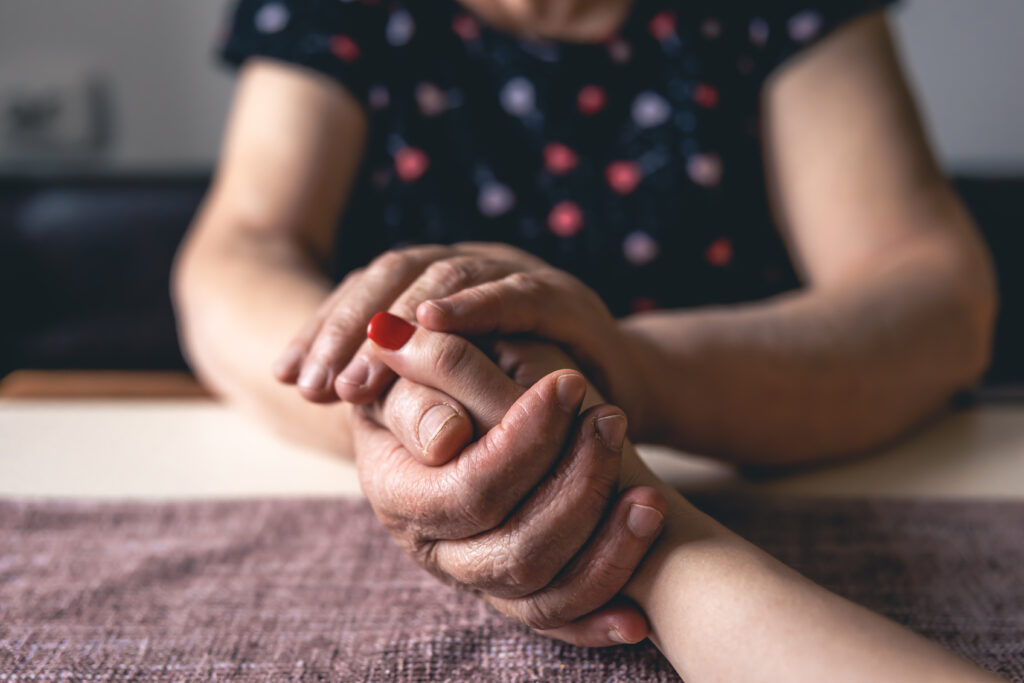
Being connected to the community can play an important role in a person’s confidence, wellbeing and independence. For people living with disability, accessing social, recreational and community activities may sometimes require additional assistance. supported community participation provides personalised help so individuals can take part in activities they enjoy while developing skills, relationships and greater independence.
According to the National Disability Insurance Scheme (NDIS), social and community participation can include activities such as joining sporting groups, attending classes, visiting local venues, volunteering, meeting friends or simply spending time in the community. The right support can help people identify activities that match their interests and personal goals.
For Nurtcare.com, community participation is about more than simply accompanying someone to an activity. It is about providing respectful, individualised support that encourages people to make choices, build confidence and participate in everyday community life.
What Is Supported Community Participation?
Supported community participation refers to assistance that helps individuals access and participate in social, recreational and community activities. The level of support can vary depending on a person’s needs, abilities, preferences and goals.
Support may include assistance with:
- Attending community events and activities
- Visiting friends, family members or local venues
- Participating in hobbies and recreational activities
- Joining sporting or social groups
- Accessing appointments and community services
- Developing social and communication skills
- Building confidence in unfamiliar environments
- Using community transport
- Exploring new interests and activities
- Developing greater independence in everyday life
The NDIS recognises that meaningful participation is individual. An activity that works well for one person may not be suitable for another, making personalised planning particularly important.
Why Community Participation Matters
Regular participation in community life can provide opportunities to develop relationships, learn practical skills and experience a stronger sense of belonging. NDIS research identifies outcomes such as making friends, spending time in the community and developing a sense of belonging as important participation outcomes.
1. Builds Confidence
Trying new activities or visiting unfamiliar places can help individuals gradually become more comfortable in different environments. Encouragement from a trusted support worker can make these experiences more manageable.
2. Encourages Independence
Good community support should not unnecessarily do everything for a person. Instead, it can focus on developing practical skills and encouraging individuals to make their own choices wherever possible.
3. Creates Social Connections
Community activities provide opportunities to meet people with similar interests. Building friendships and social networks can help reduce isolation and increase feelings of inclusion.
4. Supports Personal Goals
Community participation should be connected to what an individual actually wants to achieve. This could involve learning a new hobby, joining a group, becoming more confident using public spaces or participating in local events.
5. Promotes Wellbeing
Social and recreational activities can contribute to enjoyment, connection and overall wellbeing. The NDIS notes that activities people enjoy and relationships where they feel valued can provide meaningful benefits.
How Nurtcare.com Supports Community Participation
Nurtcare.com provides personalised disability support designed around individual needs, lifestyles and goals. Its services include Community Access & Social Support, transport to appointments and activities, recreational and lifestyle support, and capacity-building assistance.
A personalised approach can help individuals identify suitable opportunities and receive the right level of assistance to participate confidently.
For example, support may involve accompanying a participant to a community activity, helping them access transport, assisting with communication or encouraging them to develop skills that allow greater independence over time.
Nurtcare.com also focuses on compassionate care, reliable support and individualised care planning. These principles can help create a supportive environment where people feel respected while working towards their personal goals.
Choosing the Right Community Participation Support
When selecting a provider, it is important to look beyond the availability of activities. Consider whether the provider understands the individual’s preferences, needs and goals.
The NDIS recommends looking for providers who listen respectfully, ask about interests and previous experiences, understand individual needs and have knowledge of community participation opportunities.
You may also want to ask:
- How will support be personalised?
- Can activities change as goals develop?
- What experience do support workers have?
- How will independence be encouraged?
- What happens if an activity is not suitable?
- How will progress and outcomes be reviewed?
These questions can help individuals and families make informed decisions about their support.
Making Community Participation More Meaningful
Effective support should focus on meaningful participation rather than simply keeping someone occupied. The individual should have opportunities to express preferences and make choices about what they want to do.
Activities could include visiting a library, attending a community class, participating in sport, going shopping, visiting a café, joining a hobby group, spending time outdoors or attending local events.
Research reviewed by the NDIS has identified activities such as art, music, drama, sport, physical activities and outdoor nature-based activities as potentially useful ways to support social and community participation.
Most importantly, support should evolve. Interests, circumstances and goals can change over time, so a flexible approach can help ensure community participation remains relevant and enjoyable.
Conclusion
Supported community participation can help people living with disability develop confidence, strengthen social connections and take a more active role in their communities. With personalised assistance, individuals can explore activities they enjoy while building practical skills and greater independence.
Nurtcare.com takes an individual-focused approach to disability support, helping clients participate in community life with dignity, confidence and appropriate assistance. Whether the goal is social connection, recreation, skill development or greater independence, the right support can make community participation more accessible and meaningful.
Frequently Asked Questions
What does supported community participation mean?
Supported community participation means providing personalised assistance that helps a person access and participate in social, recreational and community activities according to their needs and goals.
Who can benefit from supported community participation?
People living with disability who need assistance accessing activities, developing confidence, building social connections or increasing independence may benefit from community participation support.
What activities can be included?
Activities may include sporting groups, community events, hobbies, social outings, recreational activities, volunteering, appointments, shopping and visiting local facilities. The appropriate activities depend on the individual’s interests and goals.
Can community participation support help build independence?
Yes. Well-designed support can encourage people to develop practical, social and communication skills while making their own choices and gradually becoming more independent.
How does Nurtcare.com support community participation?
Nurtcare.com offers personalised community access and social support, transport to appointments and activities, recreational and lifestyle support, and capacity-building assistance designed around individual needs and goals.
Can support change when a person’s needs change?
Yes. Individual needs, interests and goals can change over time. Nurtcare.com states that it regularly reviews support plans and adjusts services as clients’ circumstances and goals evolve.
