
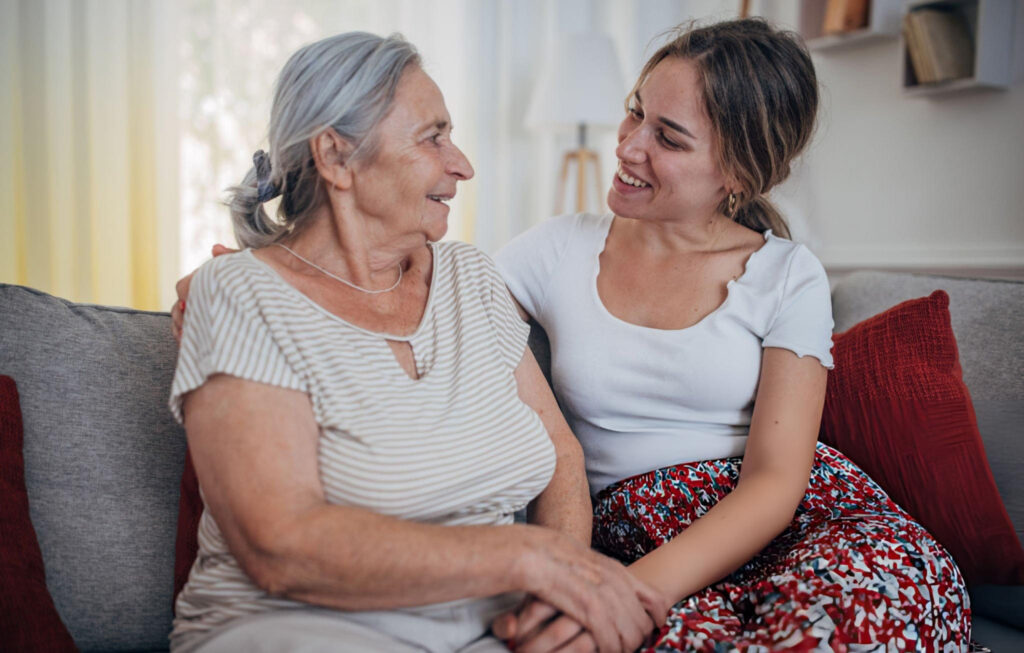
Wellbeing is an important part of living a healthy, fulfilling, and independent life. It involves more than physical health; emotional, social, mental, and everyday needs can all influence how a person feels and functions. For individuals who need additional support, wellbeing assistance can provide practical help while encouraging confidence, independence, and participation in daily life.
Nurtcare.com understands that every person has different needs, preferences, goals, and circumstances. Effective wellbeing support should therefore be personalised rather than based on a one-size-fits-all approach. The right assistance can help people manage everyday activities, maintain routines, stay connected with their communities, and work towards greater independence.
What Is Wellbeing Assistance?
Wellbeing assistance refers to personalised support designed to help individuals maintain or improve their overall quality of life. Depending on individual circumstances, this support may involve assistance with everyday activities, personal routines, social participation, emotional wellbeing, or maintaining independence.
The purpose is not simply to complete tasks for someone. Quality support focuses on enabling individuals to participate as much as possible and make choices about their daily lives.
A person-centred approach considers what matters to the individual, including their preferences, strengths, lifestyle, goals, and support requirements.
Why Wellbeing Support Matters
Good wellbeing can influence many areas of everyday life. When people receive appropriate assistance, they may find it easier to establish healthy routines, remain socially connected, and participate in activities they enjoy.
Practical support can also reduce some of the challenges associated with managing daily responsibilities. For people who require ongoing assistance, consistent and respectful support can provide reassurance and help create a more structured routine.
Wellbeing assistance may contribute to:
- Greater confidence with everyday activities
- Increased independence and choice
- Better participation in social and community activities
- Support with maintaining healthy routines
- Improved emotional and social wellbeing
- Greater engagement with personal goals
- A stronger sense of dignity and control
A Person-Centred Approach to Wellbeing Assistance
Effective support starts with understanding the individual. Two people may have similar support requirements but completely different goals and preferences.
Nurtcare.com promotes an approach where individual needs are considered when planning support. This means understanding what the person wants to achieve and identifying practical ways to help them work towards those goals.
Person-centred assistance can include listening carefully, respecting personal choices, encouraging independence, and adapting support as circumstances change. Communication is particularly important because individuals should feel comfortable expressing their preferences and concerns.
Supporting Independence Through Everyday Assistance
One of the most valuable aspects of wellbeing assistance is helping individuals remain as independent as possible. Support should complement a person’s abilities rather than unnecessarily replacing them.
For example, assistance with daily routines can be structured around encouraging participation. Someone may need help organising an activity while still being able to make decisions and complete parts of the task independently.
This approach can help build confidence over time. Small achievements in everyday activities can contribute to broader personal goals and a stronger sense of autonomy.
Emotional and Social Wellbeing
Wellbeing is not limited to physical or practical needs. Social connection and emotional wellbeing are also important components of a balanced life.
Support may help individuals participate in community activities, maintain relationships, pursue hobbies, or engage in meaningful experiences. Regular social interaction can help reduce isolation and create opportunities for people to develop connections.
A respectful support environment can also give individuals an opportunity to communicate their feelings, preferences, and concerns. While support workers do not replace qualified healthcare professionals, appropriate assistance can complement wider health and wellbeing plans.
Choosing Appropriate Wellbeing Assistance
When considering wellbeing support, it is important to look beyond the availability of a service. Individuals and families should consider whether the support is suitable for their specific needs and goals.
Important factors may include:
- Whether support is personalised
- The experience and approach of support staff
- Communication and reliability
- Respect for individual choices and privacy
- Flexibility as needs change
- Focus on independence and participation
- Alignment with personal wellbeing goals
Nurtcare.com aims to make support more focused on the individual, helping people access assistance that fits their everyday circumstances.
Building Sustainable Wellbeing
Wellbeing is an ongoing process rather than a one-time goal. Needs can change over time because of lifestyle changes, personal circumstances, ageing, disability, or other factors.
Regularly reviewing support can help ensure that assistance remains appropriate. Individuals should be encouraged to communicate when their needs or goals change so that support can adapt accordingly.
A sustainable approach combines practical assistance with encouragement, choice, dignity, and opportunities for meaningful participation.
Why Choose Nurtcare.com for Wellbeing Assistance?
Nurtcare.com focuses on the importance of personalised support and individual wellbeing. By considering each person’s circumstances and goals, support can be shaped around what matters most to them.
A strong wellbeing approach should help individuals feel respected, heard, and involved in decisions about their support. Nurtcare.com recognises the value of combining practical assistance with a focus on independence, confidence, and quality of life.
Conclusion
Wellbeing assistance can play an important role in helping individuals manage everyday life while maintaining dignity, independence, and meaningful connections. The most effective support is person-centred, respectful, flexible, and focused on individual goals.
With an emphasis on personalised care and everyday wellbeing, Nurtcare.com can help individuals and families consider support options that reflect their unique needs and circumstances.
FAQs About Wellbeing Assistance
1. What does wellbeing assistance include?
Wellbeing assistance can include practical help with everyday activities, routines, social participation, independence, and other areas based on an individual’s personal support requirements.
2. Who can benefit from wellbeing assistance?
People who require additional support with daily living, independence, social participation, or maintaining routines may benefit from personalised wellbeing assistance.
3. Is wellbeing assistance personalised?
Yes. Effective wellbeing assistance should consider an individual’s preferences, abilities, goals, circumstances, and level of support required.
4. Can wellbeing assistance support independence?
Yes. A person-centred approach can encourage individuals to participate in daily activities and make their own choices wherever possible, helping build confidence and independence.
5. How can I choose suitable wellbeing assistance?
Consider the individual’s needs, goals, preferences, communication requirements, and desired level of independence. It is also important to choose a provider that takes a respectful and personalised approach to support.
6. Why is social wellbeing important?
Social connection can contribute to emotional wellbeing, confidence, participation, and quality of life. Appropriate support can help individuals participate in community activities and maintain meaningful relationships.