Living an active and fulfilling life can look different for everyone. For people who need additional support with daily activities, mobility, social participation or maintaining routines, the right assistance can make everyday experiences more accessible and enjoyable.
active lifestyle assistance focuses on helping individuals participate in meaningful activities while respecting their personal goals, abilities, choices and independence. Rather than taking over every task, effective support encourages people to remain involved in decisions and activities they enjoy.
Nurtcare.com recognises the importance of personalised support that can help people stay connected, engaged and confident in their everyday lives.
What Is Active Lifestyle Assistance?
Active lifestyle assistance is personalised support designed to help individuals participate in physical, recreational, social and everyday activities. Depending on a person’s needs and preferences, assistance may include support with community participation, exercise-related routines, hobbies, appointments, outings or household activities.
The goal is not simply to keep someone busy. Quality support focuses on activities that have meaning for the individual and contribute to their overall wellbeing.
Australian Government guidance on wellness and reablement similarly emphasises person-centred support that builds on an individual’s strengths, abilities and goals to promote independence and quality of life.
Why Staying Active Matters
Regular movement and meaningful participation can contribute to physical, mental and social wellbeing. Australian health guidance notes that physical activity supports good physical and mental health and can reduce the risk of several health conditions.
An active lifestyle can also help individuals:
- Maintain mobility and functional abilities
- Build confidence in everyday activities
- Develop and maintain social connections
- Participate in hobbies and interests
- Establish healthy daily routines
- Reduce extended periods of sedentary behaviour
- Experience greater independence and personal choice
Importantly, being active does not necessarily mean intensive exercise. Walking, gardening, swimming, stretching, recreational activities, community outings and other forms of movement can all contribute to an active routine when appropriate for the individual.
Personalised Support Makes a Difference
Every person has different interests, capabilities and goals. Someone may enjoy visiting community groups, while another person may prefer gardening, walking, cooking, arts and crafts or attending sporting activities.
For this reason, active lifestyle assistance should be personalised rather than based on a standard activity schedule.
A person-centred approach considers what matters to the individual, what they can comfortably do, what support they need and which activities they genuinely enjoy. Australian Government care-planning guidance recommends focusing on the person’s strengths and desired outcomes rather than simply concentrating on what they cannot do.
Supporting Community and Social Participation
Social connection is an important part of wellbeing. However, transportation challenges, mobility limitations, disability or a lack of confidence can make community participation difficult.
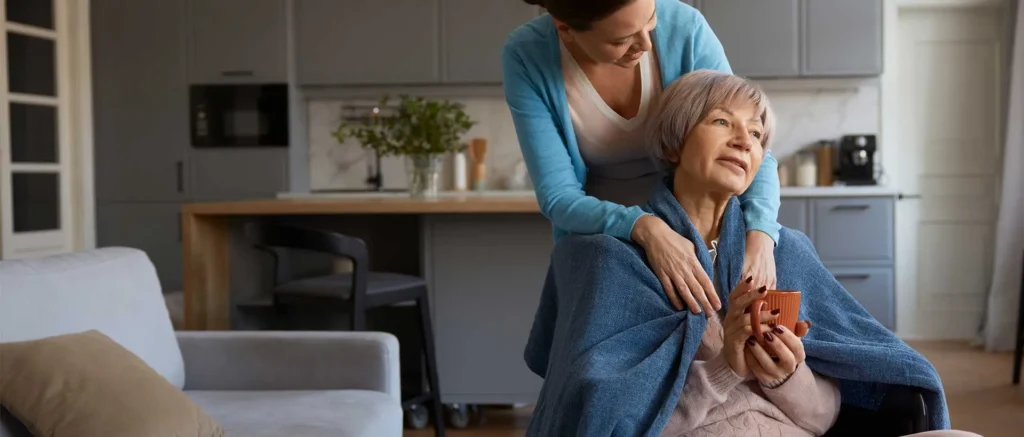
Active lifestyle assistance can help individuals participate in suitable community activities, social events and recreational opportunities. Depending on their needs, a support worker may assist with planning an outing, preparing for an activity, travelling to a destination or participating safely once there.
This can create opportunities for individuals to maintain relationships, discover new interests and remain connected with their communities.
Encouraging Independence, Not Dependence
Effective assistance should empower people wherever possible. This means providing the right level of help while allowing individuals to make choices and participate in activities themselves.
Wellness and reablement approaches encourage support workers to work with individuals rather than simply doing everything for them. This can help maintain or develop confidence, independence and everyday capabilities.
For example, instead of completing an activity entirely on someone’s behalf, appropriate support may involve helping the person plan, prepare and participate according to their abilities.
Creating Meaningful Lifestyle Goals
A useful active lifestyle plan begins with meaningful goals. These goals might involve becoming more comfortable with regular walks, attending a favourite community activity, returning to a hobby or increasing social participation.
Care plans can consider an individual’s needs, preferences, goals and choices, with services tailored around those priorities.
Nurtcare.com can be part of a support approach that keeps the individual at the centre of their lifestyle goals, helping make everyday participation more achievable and purposeful.
Safe and Appropriate Activity
Safety should always be considered when supporting physical or recreational activities. The appropriate level of activity depends on a person’s age, abilities, circumstances and health needs.
People with physical limitations or health conditions may need advice from a doctor or qualified health professional about suitable activities. Australian Government recommendations also encourage people to start slowly and build activity levels where appropriate.
Support should therefore focus on realistic participation rather than pressure to achieve a particular level of physical performance.
Choosing the Right Active Lifestyle Support
When considering active lifestyle assistance, families and individuals can look for a provider that:
- Takes time to understand individual goals and preferences
- Provides person-centred support
- Respects personal choices and independence
- Encourages meaningful community participation
- Adapts assistance as needs change
- Communicates clearly with individuals and their support networks
- Prioritises appropriate safety considerations
The Australian aged care system places strong emphasis on person-centred care, recognising individual preferences, needs, rights and quality of life.
Conclusion
An active lifestyle is about more than exercise. It can involve meaningful hobbies, community participation, social connection, daily routines, movement and opportunities to make personal choices.
With personalised active lifestyle assistance, individuals can receive practical support while continuing to participate in the activities that matter to them. A thoughtful, person-centred approach can help promote confidence, independence and overall wellbeing.
Nurtcare.com understands that effective support should be built around the individual. By focusing on personal goals, abilities and preferences, active lifestyle support can help make everyday life more engaging, connected and meaningful.
FAQs About Active Lifestyle Assistance
1. What does active lifestyle assistance include?
Active lifestyle assistance may include support with recreational activities, community participation, hobbies, outings, daily routines and suitable physical activities, depending on an individual’s needs and goals.
2. Who can benefit from active lifestyle assistance?
People who need additional support to participate in daily, recreational, social or community activities may benefit. The appropriate type of assistance depends on individual circumstances and support requirements.
3. Is active lifestyle assistance only about exercise?
No. It can include social activities, hobbies, community outings, daily routines and other meaningful activities. Physical movement is one part of an active and engaged lifestyle.
4. How does active lifestyle assistance support independence?
Good support encourages individuals to participate in activities and decisions wherever possible instead of unnecessarily taking over tasks. This can help maintain confidence and independence.
5. Can active lifestyle assistance be personalised?
Yes. Personalised support can be based on an individual’s interests, abilities, preferences, routines and goals. Person-centred planning is an important part of effective support.
6. Why choose Nurtcare.com for lifestyle support?
Nurtcare.com focuses on personalised support that recognises the individual’s goals, preferences and need for meaningful participation. The appropriate services should always be discussed according to the person’s circumstances and support requirements.