
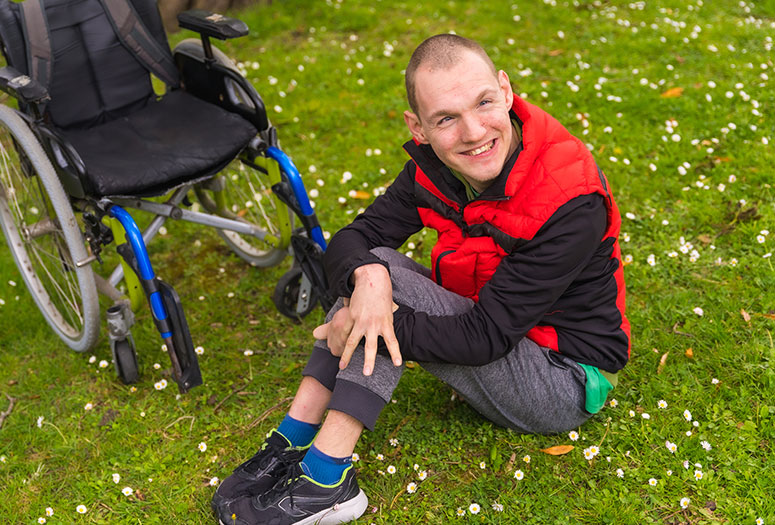
Staying physically active can play an important role in maintaining mobility, confidence and overall wellbeing. For people living with disability, however, participating in exercise may require additional assistance, encouragement and an approach that reflects their individual abilities. exercise support services can help make physical activity safer, more accessible and easier to incorporate into everyday life.
For NDIS participants, appropriate exercise-related support may contribute to personal goals such as improving functional capacity, maintaining mobility, participating in community activities or becoming more independent. NDIS guidance recognises exercise physiology and certain physical wellbeing activities as supports that may help improve physical capacity and health when they meet the relevant funding requirements.
Nurtcare.com focuses on person-centred support that can help individuals work towards their goals while maintaining dignity, choice and independence.
What Are Exercise Support Services?
Exercise support services provide assistance to people who may need help participating in appropriate physical activities. The type and level of support can vary depending on an individual’s abilities, goals, preferences and support plan.
Support may include assistance with:
- Participating in suitable physical activities
- Following an agreed exercise routine
- Attending community fitness or recreational activities
- Building confidence with movement and physical activity
- Maintaining consistency with healthy routines
- Accessing activities safely and comfortably
- Developing greater independence in everyday movement
The exact service should always reflect the individual’s needs rather than following a one-size-fits-all approach.
How Exercise Can Support NDIS Goals
Regular physical activity can be an important part of a broader wellbeing and independence strategy. Depending on the individual, exercise-related activities may support mobility, strength, balance, confidence and participation.
NDIS information notes that physical wellbeing activities can help maintain or increase physical mobility or wellbeing through appropriately qualified exercise professionals. Exercise physiology is also recognised among therapy supports where it meets the applicable NDIS requirements.
Potential benefits can include:
Improved Mobility
Appropriate physical activity may help individuals maintain movement and functional abilities. This can be particularly valuable when mobility is connected to everyday activities and personal goals.
Greater Independence
Building confidence and physical capability can make it easier for some people to participate in daily routines and community activities.
Increased Confidence
Having consistent and appropriate support can help individuals feel more comfortable participating in activities that they may otherwise find challenging.
Community Participation
Exercise does not always have to happen in a traditional gym environment. Community-based activities can provide opportunities for movement while supporting social participation and confidence.
Personalised Support Matters
Everyone has different abilities, preferences and goals. Effective exercise support services should therefore be flexible and person-centred.
A support worker may assist with participation, motivation, transport or accessing activities, while an appropriately qualified exercise professional may develop or oversee an exercise program when specialist exercise support is required.
The NDIS explains that support workers help participants work towards their goals, and the type of support depends on individual needs and what is included in their plan.
A personalised approach can consider factors such as:
- Current mobility and abilities
- Personal interests
- NDIS goals
- Preferred activities
- Communication needs
- Safety considerations
- Community access requirements
- Desired level of independence
Choosing the Right Exercise Support Provider
Selecting a suitable provider is an important part of receiving quality support. Participants should consider whether a provider understands their goals, communicates clearly and can deliver support in a respectful and consistent way.
The NDIS recommends researching providers, checking reviews and finding a provider that meets individual needs. Participants should also discuss the services, costs and arrangements before commencing support.
When considering exercise support, ask:
- Does the provider understand my individual goals?
- What type of exercise-related assistance is available?
- Are appropriately qualified professionals involved when required?
- How will safety and personal preferences be considered?
- Does the service align with my NDIS plan and funding?
- Can the support be adjusted as my needs change?
Understanding NDIS Funding for Exercise Support
Not every exercise or fitness activity is automatically funded through the NDIS. Supports generally need to relate to a participant’s disability, support their goals and satisfy the applicable reasonable and necessary criteria.
The NDIS also distinguishes between different types of supports. For example, exercise physiology may be funded when it meets the relevant requirements, while ordinary gym memberships and personal training are not automatically treated as therapy supports.
Participants should check their current plan and discuss eligibility with their NDIS contact, support coordinator or plan manager where appropriate.
Why Choose Nurtcare.com?
Nurtcare.com understands that meaningful support is about more than simply completing an activity. The right support should help individuals work towards their personal goals while promoting dignity, choice and independence.
For people seeking exercise support services, a person-centred approach can make physical activity more accessible and manageable. Support can be structured around individual preferences and capabilities rather than applying the same routine to everyone.
The goal is to help participants feel supported while developing confidence and maintaining their connection with everyday life and the community.
Conclusion
Exercise support services can provide valuable assistance for people with disability who want to stay active, maintain mobility and work towards greater independence. Whether support involves participating in activities, accessing the community or working with an appropriately qualified exercise professional, the approach should always be tailored to the individual’s needs and goals.
Nurtcare.com aims to provide respectful, person-centred support that recognises each participant as an individual. Before starting any exercise-related service, participants should confirm that the support is appropriate for their needs and aligns with their NDIS plan and applicable funding rules.
Frequently Asked Questions
1. What are exercise support services?
Exercise support services provide assistance to people who may need help participating in suitable physical activities. Support can vary according to individual abilities, goals, preferences and funding arrangements.
2. Can exercise support be funded by the NDIS?
Some exercise-related supports may be funded when they meet NDIS requirements and are related to a participant’s disability and goals. Exercise physiology is recognised in relevant NDIS support categories, subject to applicable criteria.
3. What benefits can exercise support provide?
Depending on the person’s circumstances, exercise support may assist with mobility, physical capacity, confidence, routine, community participation and independence.
4. Is an exercise physiologist the same as a support worker?
No. An exercise physiologist is a qualified professional who can provide specialist exercise-related services, while a support worker can assist participants with activities and goal-related support. The appropriate professional depends on the individual’s needs.
5. How do I choose an exercise support provider?
Look for a provider that understands your goals, communicates clearly, offers appropriate support and can work within your NDIS plan. The NDIS recommends researching providers and discussing service arrangements before starting.
6. Can exercise support help with community participation?
Yes. Depending on the participant’s goals and plan, support may help them access recreational, fitness or community activities and participate more confidently.