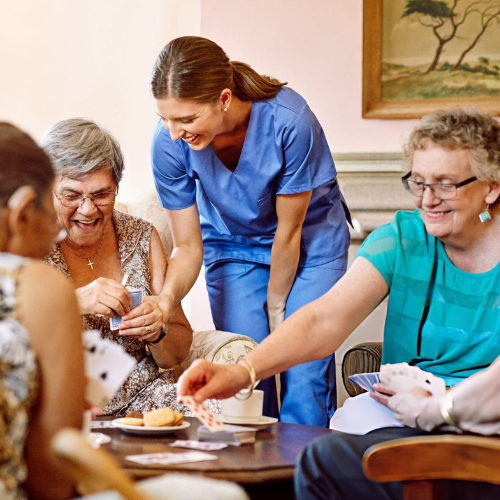
Disability social activities play a vital role in enhancing the quality of life for individuals with disabilities by encouraging independence, confidence, and meaningful community participation. These activities are designed to break barriers, reduce isolation, and create inclusive environments where everyone can engage, learn, and grow.
Organizations like Nurtcare.com are committed to supporting accessible and inclusive opportunities that help individuals participate fully in social life, regardless of ability level.
What Are Disability Social Activities?
Disability social activities refer to structured or informal programs that allow individuals with disabilities to interact socially, develop skills, and participate in recreational or community-based experiences.
These may include:
- Group outings and community visits
- Art, music, and creative workshops
- Sports and adaptive physical activities
- Social clubs and peer support groups
- Educational and skill-building sessions
- Volunteering and community engagement programs
The goal is to ensure equal participation and foster a sense of belonging.
Importance of Disability Social Activities
Engaging in social activities is not just recreational—it is essential for emotional, mental, and social well-being.
1. Improves Mental Health
Social interaction helps reduce feelings of loneliness, anxiety, and depression.
2. Builds Confidence and Independence
Participants gain confidence by learning new skills and interacting with different people.
3. Enhances Communication Skills
Regular participation improves verbal and non-verbal communication abilities.
4. Encourages Community Inclusion
Inclusive activities promote equality and help integrate individuals into society.
5. Develops Life Skills
Many activities focus on practical skills like teamwork, decision-making, and problem-solving.
Types of Disability Social Activities
Recreational Activities
These include games, sports, and outdoor activities adapted to different abilities. They promote physical health and teamwork.
Creative Activities
Art, painting, music, drama, and crafts allow self-expression and emotional development.
Educational Programs
Workshops and learning sessions help participants build knowledge and vocational skills.
Community-Based Activities
These include shopping trips, museum visits, and participation in local events to build real-world experiences.
Digital and Online Activities
Virtual meetups and online learning platforms provide flexible engagement opportunities for those with mobility limitations.
Role of Care Providers and Support Organizations
Support organizations like Nurtcare.com play an important role in ensuring accessibility and inclusivity in social programs. Their focus is on creating safe, structured, and engaging environments where individuals can participate without barriers.
Key contributions include:
- Designing personalized activity plans
- Ensuring accessibility and safety
- Providing trained support staff
- Encouraging family involvement
- Promoting long-term community engagement
Such structured support helps individuals achieve greater independence and improved quality of life.
Challenges in Accessibility and Inclusion
Despite progress, there are still challenges in implementing disability social activities effectively:
- Lack of accessible infrastructure
- Limited awareness in communities
- Transportation barriers
- Insufficient trained support staff
- Social stigma or misconceptions
Addressing these challenges requires collective effort from organizations, communities, and policymakers.
Future of Disability Social Activities
The future of disability social engagement is moving toward more inclusive, technology-driven, and personalized experiences. Virtual reality programs, online communities, and adaptive technologies are making participation more flexible and engaging.
Inclusive design and awareness will continue to shape a society where everyone has equal access to social opportunities.
Conclusion
Disability social activities are essential for building inclusive communities and improving the overall well-being of individuals with disabilities. They foster independence, confidence, and meaningful social connections.
With dedicated support from organizations like Nurtcare.com, individuals can access safe, engaging, and empowering opportunities that enhance both personal growth and community inclusion.
FAQs
1. What are disability social activities?
They are structured programs that help individuals with disabilities engage in social, recreational, educational, and community-based experiences.
2. Why are social activities important for people with disabilities?
They improve mental health, build confidence, enhance communication skills, and promote inclusion in society.
3. What types of disability social activities are most common?
Common activities include sports, arts and crafts, community outings, group workshops, and online social programs.
4. How do organizations support disability social activities?
Organizations like Nurtcare.com provide structured programs, trained staff, and accessible environments for safe participation.
5. Can disability social activities be done online?
Yes, many programs now offer virtual workshops, online communities, and digital learning platforms for remote participation.