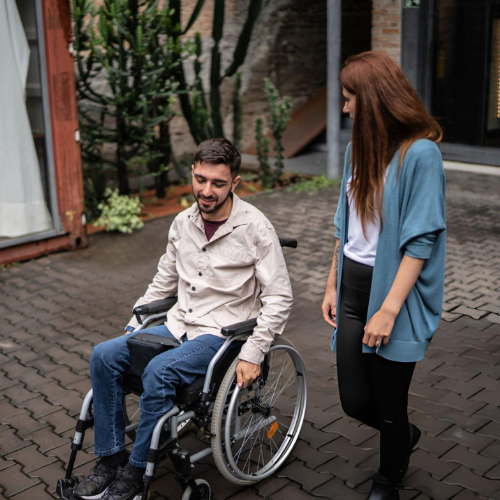
Recovering from an injury, illness, surgery, or a change in physical ability can affect many areas of everyday life. Tasks that once seemed simple may suddenly require additional time, planning, or support. physical recovery assistance can provide practical help while encouraging individuals to regain confidence, maintain independence, and participate in daily activities.
Nurtcare.com provides personalised disability support and in-home care designed around individual needs, goals, and circumstances. Its approach focuses on respectful, reliable assistance that supports wellbeing and independence while helping people remain engaged in their homes and communities.
What Is Physical Recovery Assistance?
Physical recovery assistance refers to practical support provided to people who need help managing daily activities while recovering or adapting to physical limitations. The level of assistance can vary depending on an individual’s circumstances, abilities, goals, and support plan.
Support may involve assistance with everyday routines, mobility-related activities, household tasks, appointments, community participation, and other activities that contribute to a person’s quality of life.
Importantly, support should complement professional healthcare rather than replace medical treatment. Physiotherapists, occupational therapists, doctors, and other qualified health professionals may provide clinical rehabilitation, while disability support workers can assist with practical day-to-day needs.
Why Physical Recovery Assistance Matters
Physical recovery can be challenging when someone has reduced mobility, limited strength, fatigue, or difficulty completing everyday tasks. Having appropriate assistance can make daily routines more manageable and reduce unnecessary stress.
A person-centred approach can also help individuals maintain their sense of control. Rather than doing everything for a client, appropriate support can encourage participation and independence wherever possible.
Nurtcare.com focuses on personalised support plans that consider each client’s lifestyle, needs, and goals. This approach helps ensure assistance is relevant, respectful, and adaptable.
How Physical Recovery Assistance Can Support Daily Life
Every recovery journey is different, so support requirements can vary. Depending on an individual’s approved services and personal circumstances, assistance may include:
- Support with daily living routines
- Help with household activities
- Assistance when attending appointments or activities
- Transport and community access support
- Encouragement with appropriate everyday activities
- Assistance that promotes confidence and independence
- Social and recreational participation
- Ongoing support as individual needs change
The purpose is not simply to provide help, but to create a supportive environment where people can work toward their personal goals safely and confidently.
Personalised Support Makes a Difference
Effective physical recovery assistance should never follow a one-size-fits-all approach. A person’s age, abilities, home environment, lifestyle, preferences, and recovery goals can all influence the type of support they require.
Nurtcare.com takes a personalised approach by developing support around individual needs. Its services include in-home care, daily living assistance, community access, recreational and lifestyle support, capacity building, transport assistance, and other disability support options.
This flexibility can be particularly valuable when a person’s circumstances change during recovery. Support can be reviewed and adjusted according to evolving goals and requirements.
Promoting Independence During Recovery
Independence does not necessarily mean completing every task without assistance. Sometimes, having the right support enables a person to participate more actively in activities they might otherwise struggle to manage.
For example, a support worker may provide appropriate assistance with everyday routines while encouraging the individual to complete the parts they can safely manage themselves. Over time, this can help build confidence and maintain existing abilities.
A strong support relationship should respect personal choice, dignity, privacy, and individual preferences. These principles are important when providing physical recovery assistance in a home or community setting.
Choosing the Right Support Provider
When considering physical recovery assistance, individuals and families should look for a provider that understands the importance of personalised care. Important factors can include trained support workers, clear communication, flexible services, reliable scheduling, respectful interactions, and a commitment to participant goals.
Nurtcare.com highlights personalised care plans, compassionate support, flexible services, and experienced care professionals as important parts of its approach. The organisation supports NDIS participants, DVA veterans, and eligible aged-care clients with services designed to promote independence and wellbeing.
It is also important to understand what type of assistance is appropriate for your circumstances. Clinical rehabilitation should be delivered by relevant healthcare professionals, while support workers can provide practical assistance within their role and the individual’s approved support arrangements.
Physical Recovery Assistance and Long-Term Wellbeing
Recovery is not always a short process. Some people may require temporary assistance, while others may need ongoing disability support because of permanent or changing physical limitations.
Consistent support can help individuals maintain daily routines, remain connected with their communities, and continue working toward meaningful personal goals. It can also provide reassurance for families and carers who may need additional practical support.
With a person-centred approach, physical recovery assistance can become part of a broader strategy for independence, confidence, safety, and quality of life.
Conclusion
Access to appropriate physical recovery assistance can make everyday life more manageable for people recovering from illness, injury, surgery, or living with physical limitations. Practical assistance, combined with professional healthcare where required, can help individuals remain engaged in their routines and work toward greater independence.
Nurtcare.com provides personalised disability and in-home support focused on individual needs, dignity, confidence, and wellbeing. By tailoring assistance around personal goals and circumstances, the right support can help individuals navigate everyday challenges with greater confidence.
Frequently Asked Questions
1. What does physical recovery assistance include?
Physical recovery assistance can include practical help with daily routines, household activities, appointments, transport, community participation, and other everyday activities, depending on an individual’s needs and approved supports.
2. Is physical recovery assistance the same as physiotherapy?
No. Physiotherapy is a clinical healthcare service provided by a qualified physiotherapist. Physical recovery assistance generally refers to practical support with everyday activities and independence. Support workers should not replace professional medical or rehabilitation services.
3. Who may benefit from physical recovery assistance?
People recovering from illness, injury, surgery, or changes in physical ability may benefit from appropriate assistance. The type and amount of support depend on individual circumstances and support arrangements.
4. Can physical recovery assistance be provided at home?
Yes. Depending on the person’s circumstances and available services, support can be provided in the home to assist with everyday activities and promote safe, comfortable independent living.
5. How does personalised support help during recovery?
Personalised support considers an individual’s abilities, preferences, lifestyle, and goals. This allows assistance to be adapted to what the person actually needs while encouraging participation and independence.
6. Can support needs change during recovery?
Yes. Recovery and disability-related needs can change over time. Regular communication and review can help ensure that available support remains appropriate as circumstances and personal goals evolve.